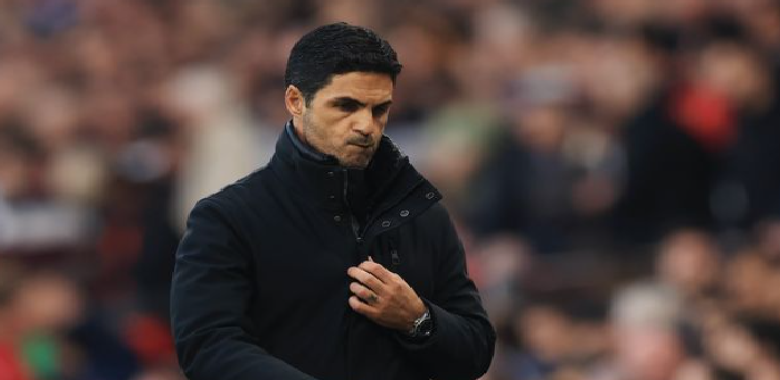
Mikel Arteta’s tenure at Arsenal has been defined by progress, patience, and rising expectations. Since taking charge, he has rebuilt the squad, restored competitiveness, and returned the club to regular title contention. However, recent seasons have also brought a familiar frustration: missed opportunities to turn strong performances into major trophies.
In modern football, progress alone is rarely enough. Clubs with Arsenal’s history, resources, and fan base are judged by silverware. As pressure mounts, Arteta’s situation reflects a broader reality of elite football management, where financial investment, squad wages, and strategic decisions must deliver tangible success. Understanding this pressure also requires insight into how clubs fund ambition, as outlined in The Financial Playbook: Methods for Getting Sports Funding, which explains how sustained investment raises expectations at the top level.
This article examines why the pressure on Arteta is increasing, how Arsenal’s financial and sporting decisions play a role, and what the future may hold.
Arsenal’s Recent Progress Under Arteta
Arteta inherited an Arsenal side lacking identity and consistency. Over time, he has implemented a clear playing style built on positional play, pressing, and youth development.
Key Achievements So Far
-
FA Cup victory early in his tenure
-
Return to Champions League qualification
-
Consistent top-four and title-challenging seasons
-
Development of young core players
From a sports management perspective, this progress represents a successful rebuild. However, elite football measures success differently. Once a team competes at the top, the expectation shifts from improvement to winning.
The Missed Chances That Define the Pressure
Despite strong league campaigns, Arsenal have fallen short in decisive moments.
League Title Races
Arsenal have pushed Manchester City deep into title races but ultimately failed to secure the Premier League crown. Fine margins—injuries, squad depth, and late-season form—have proven costly.
Cup Competitions
Domestic and European cups offer alternative paths to silverware, yet Arsenal’s exits in key matches have added to the narrative of missed chances. For fans and media, these moments fuel questions about tactical flexibility and mental resilience.
In elite sports news coverage, these fine details often shape perception more than overall progress.
Squad Investment and Expectations
Arsenal’s ownership has backed Arteta with significant spending in recent transfer windows. This level of sports investment naturally increases pressure.
How Investment Changes the Standard
-
Higher transfer fees raise performance expectations
-
Improved squad depth reduces excuses
-
Fans and sponsors expect trophies as returns
When clubs invest heavily, patience shortens. This is a common pattern across elite sport, where financial commitment must translate into results.
Weekly Wages and Performance Pressure
Player wages are another key factor in the conversation around trophies.
Arsenal’s wage bill has grown as the club retained top players and attracted new talent. High wages signal ambition but also demand accountability, a dynamic explored in Weekly Wages in the Premier League: How Much Do the Stars Earn?.
Why Wages Matter
-
Players earning elite wages are expected to perform consistently
-
Wage structures influence squad harmony
-
Financial sustainability depends on success
From a sports business standpoint, high wages without trophies raise concerns about return on investment, even if league performance remains strong.
Sports Management Decisions Under Scrutiny
Arteta’s role goes beyond tactics. As a modern head coach, he is deeply involved in recruitment, squad planning, and long-term vision.
Key Management Questions
-
Is the squad balanced for all competitions?
-
Are rotation and workload managed effectively?
-
Does the team adapt tactically in high-pressure matches?
These questions are common in elite football analysis. Even successful managers face criticism when trophies do not follow.
Health, Injuries, and Squad Depth
Injuries have played a role in Arsenal’s near-misses. Losing key players at critical moments can derail a title challenge.
This highlights the importance of structured health planning and insurance-backed protection, similar to the principles outlined in Complete Health Coverage for Athletic Participants: AthleteCare.
Why Athlete Health Is a Strategic Issue
-
Injuries affect performance and results
-
Long-term absences increase wage inefficiency
-
Medical planning is part of financial risk management
Clubs competing on multiple fronts must invest in prevention, recovery, and depth to reduce reliance on a small core of players.
Comparisons With Rival Clubs
Arsenal’s main competitors offer useful comparisons.
Manchester City
-
Deeper squads
-
Proven trophy-winning experience
-
Strong integration of analytics and sports science
Liverpool (Recent Years)
-
Efficient recruitment
-
Clear identity
-
Conversion of strong seasons into major trophies
These examples show that consistent contention must eventually lead to silverware to be considered a complete success.
The Fan and Media Perspective
Fan sentiment plays a powerful role in modern sports news. While many supporters acknowledge Arsenal’s improvement, frustration grows with each trophyless season.
Media narratives often focus on:
-
“What is missing?”
-
“Is Arteta the man to finish the job?”
-
“How long should patience last?”
Such narratives are amplified by Arsenal’s history as a club accustomed to winning domestic trophies.
Financial Sustainability and Long-Term Planning
Despite the pressure, Arsenal’s current position is stable compared to past eras of financial uncertainty.
Good financial governance includes:
-
Controlled spending
-
Sustainable wage growth
-
Continued revenue expansion
These principles align with broader sports budgeting practices, even at lower levels, as explained in Financial Playbook: Creating a Successful Budget for the Tournament Season of Your Team. At elite level, the stakes are simply much higher.
Is Arteta’s Project at a Turning Point?
The coming seasons may define Arteta’s legacy at Arsenal.
Possible Outcomes
-
Success: A major trophy validates the long-term project
-
Stagnation: Continued near-misses increase pressure
-
Change: Club leadership may reassess direction
In elite football, timing matters. Managers often get limited windows to convert progress into titles, regardless of broader improvements.
Lessons From the Situation
Arteta’s experience offers wider lessons for sports management:
-
Investment must align with clear performance goals
-
Progress without trophies has a shelf life
-
Health, depth, and psychology matter as much as tactics
-
Financial backing raises expectations, not patience
These lessons apply across sports, from professional leagues to ambitious developing clubs.
Before concluding, it is worth noting that situations like Arsenal’s are not unique. Other clubs facing pressure after near-misses, such as those discussed in How horrible does it seem for Leicester to say, “We are still in the fight”?, show how narratives can shift quickly when results do not match ambition.
Conclusion
Mikel Arteta has transformed Arsenal into a serious contender again, but elite football ultimately judges success by trophies. Missed chances in key moments have increased pressure, turning progress into expectation and expectation into demand.
From a sports business and management perspective, this pressure is a natural consequence of investment, rising wages, and competitive ambition. Whether Arteta can convert Arsenal’s growth into silverware will define the next chapter of his tenure—and determine whether patience is rewarded or exhausted.