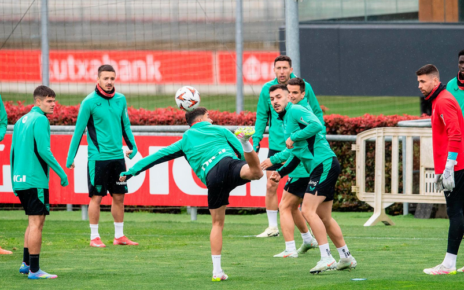
Sports come with excitement, competition, and opportunity—but they also involve risk. Injuries, accidents, and unexpected events can affect athletes, clubs, and organizers at any level. This is why sports insurance plays a critical role in modern sports management and financial planning.
Whether you are a professional footballer, an amateur athlete, a coach, or a club manager, understanding sports insurance helps protect careers, finances, and long-term stability. To understand the foundation of this topic, it helps to start with What Is Sports Insurance and Why Athletes Need It, which explains why insurance is no longer optional in today’s sports industry.
This article explains the main types of sports insurance in a simple and practical way, using real-world sports examples.
Why Sports Insurance Matters in Today’s Sports Industry
Sports insurance is not just about medical bills. It is closely connected to:
-
Sports budgeting and financial planning
-
Contract negotiations and player security
-
Club risk management
-
Long-term career protection
As sports continue to grow as a business—highlighted in Latest Trends in Global Sports Industry—insurance has become a standard requirement for athletes and organizations.
1. Personal Accident Insurance for Athletes
What It Covers
Personal accident insurance provides financial support if an athlete is injured during training, matches, or competitions.
Coverage usually includes:
-
Medical treatment costs
-
Hospital expenses
-
Temporary or permanent disability benefits
-
Accidental death benefits
Real-World Example
Professional football leagues often require players to have personal accident insurance. If a player suffers a serious knee injury, this insurance helps cover treatment and income loss during recovery.
2. Sports Health Insurance
Medical Protection Beyond Injuries
Sports health insurance focuses on broader healthcare needs, including:
-
Surgery and rehabilitation
-
Physiotherapy and recovery programs
-
Ongoing medical care
Some comprehensive plans are similar to Complete Health Coverage for Athletic Participants: AthleteCare, which combines injury treatment with long-term health protection.
Why It Is Important
Athletes often face higher medical costs than non-athletes. Without health insurance, recovery expenses can quickly drain personal savings or club budgets.
3. Liability Insurance for Clubs and Organizers
Protecting Against Legal Claims
Liability insurance protects clubs, leagues, coaches, and event organizers if someone is injured or property is damaged during a sports activity.
It may cover:
-
Legal defense costs
-
Compensation claims
-
Third-party injuries
Example: Matchday Safety
If a spectator is injured due to unsafe seating in a stadium, liability insurance helps the club manage legal and financial responsibility. This type of risk management is part of structured planning discussed in Basics of Sports Management Explained.
4. Income Protection and Career Insurance
Securing an Athlete’s Earnings
Income protection insurance ensures athletes continue to receive income if they are unable to play due to injury or illness.
This type of insurance is especially important for:
-
Professional footballers
-
Individual sport athletes
-
High-earning players
High salaries, such as those discussed in Weekly Wages in the Premier League: How Much Do the Stars Earn?, make income protection a critical financial safeguard.
Career-Ending Injury Coverage
Some policies offer lump-sum payments if an injury permanently ends an athlete’s career, helping them transition into life after sport.
5. Team and Club Insurance
Covering the Entire Organization
Clubs often purchase combined insurance policies to protect:
-
Players and staff
-
Training facilities
-
Equipment and assets
This approach supports better financial planning and aligns with responsible club operations, similar to strategies outlined in How Sports Clubs Make Money: Business Models Explained.
Why Clubs Need It
Team insurance reduces financial shocks from injuries, lawsuits, or property damage, allowing clubs to focus on performance and development.
6. Event and Tournament Insurance
Managing Short-Term Risk
Event insurance is designed for:
-
Tournaments
-
Leagues
-
One-off sporting events
Coverage may include:
-
Event cancellation
-
Weather-related disruptions
-
Public liability
This type of insurance is especially useful when managing tournament budgets, as explained in Financial Playbook: Creating a Successful Budget for the Tournament Season of Your Team.
7. Equipment and Property Insurance
Protecting Sports Assets
Sports equipment and facilities represent major investments. Insurance may cover:
-
Training equipment
-
Gym facilities
-
Stadium infrastructure
Clubs that invest heavily in facilities—such as maintaining pitches and stadiums—often rely on insurance to protect these assets.
8. Travel and International Competition Insurance
Essential for Global Sports
Athletes and teams traveling internationally need insurance that covers:
-
Medical emergencies abroad
-
Travel delays or cancellations
-
Lost equipment
International competitions, including Olympic-level events, highlight the importance of this coverage, as discussed in An analysis of the market for Olympic sports and international competition.
9. Retirement and Post-Career Insurance
Planning Beyond Active Play
Some insurance products are designed for athletes after retirement, offering:
-
Long-term health coverage
-
Pension-style benefits
-
Medical support
Resources like A Comprehensive Guide to the Top 5 Insurance Providers for Retired Sportsmen explain how athletes can protect their future after leaving competitive sport.
How Sports Insurance Fits Into Budget Planning
Insurance should be treated as a fixed cost in any sports budget. Whether for professionals or amateurs, it works alongside:
-
Training expenses
-
Equipment costs
-
Travel and competition fees
Athletes following structured plans—similar to Monthly Sports Budget Planning for Football Players—are better prepared to handle unexpected events.
Choosing the Right Sports Insurance
When selecting a policy, athletes and clubs should consider:
-
Level of competition
-
Type of sport
-
Frequency of travel
-
Financial capacity
Comparing coverage options and understanding exclusions is essential for long-term security.
Before concluding, it is worth revisiting Essentials of Sports Insurance: Protecting Your Future and Game, which highlights why insurance is one of the most important investments in a sports career.
Conclusion
Sports insurance is a vital part of modern sports management. From personal accident coverage to club liability and post-retirement protection, each type of insurance serves a clear purpose. Understanding these options helps athletes and organizations manage risk, control costs, and protect long-term careers.
As the sports industry continues to grow and professionalize, insurance will remain a cornerstone of responsible sports business and financial planning.