Sports clubs today are not just teams competing on the field. They are complex business organizations that manage budgets, investments, staff, facilities, and global brands. Whether it is a local football club or a global powerhouse like Manchester United or FC Barcelona, every club depends on well-structured business models to survive and grow.
Understanding how sports clubs generate revenue is essential for club owners, managers, athletes, and fans who want a clearer view of modern sports economics. Many clubs align their income strategies with structured funding principles similar to those discussed in The Financial Playbook: Methods for Getting Sports Funding, which explains how diversified revenue streams protect sports organizations from financial instability.
This article explains, in simple and professional terms, the main ways sports clubs make money and how these models shape the sports industry.
Why Sports Clubs Need Strong Business Models
Running a sports club involves significant costs, including:
-
Player and staff salaries
-
Stadium and training facility maintenance
-
Travel and competition expenses
-
Medical, insurance, and youth development programs
Without reliable income, clubs face debt, competitive decline, or even bankruptcy. A strong business model ensures long-term stability, not just short-term success.
Matchday Revenue: The Traditional Foundation
Ticket Sales
Ticket income remains a core revenue source, especially for clubs with large fan bases. Matchday revenue includes:
-
General admission tickets
-
Season tickets
-
Premium seating and hospitality packages
Clubs like Borussia Dortmund benefit from consistently high stadium attendance, making matchday income a stable part of their budget.
Stadium Services
Beyond tickets, clubs earn from:
-
Food and beverage sales
-
Parking
-
Merchandise sold on matchdays
Well-managed stadium operations can significantly boost total revenue.
Broadcasting and Media Rights
Domestic and International TV Deals
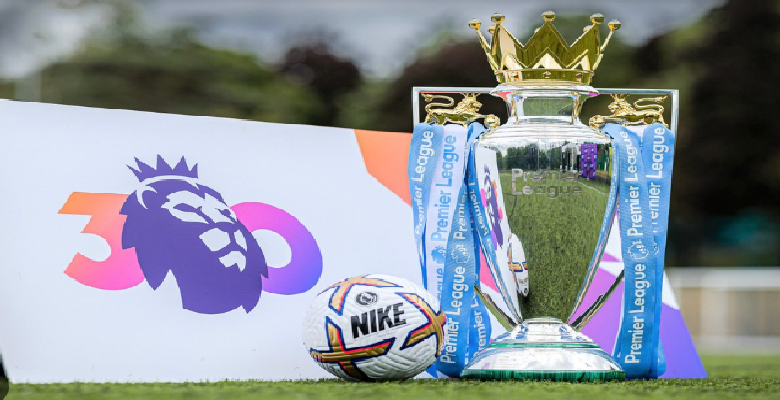
Media rights are the biggest income source for top-tier clubs. Leagues sell broadcasting rights and distribute revenue among clubs.
For example:
-
The English Premier League earns billions through global TV deals
-
Revenue is shared, but top clubs still gain more due to league position
This income supports high wage bills, as explained in Weekly Wages in the Premier League: How Much Do the Stars Earn?, which highlights how broadcast revenue directly affects player salaries.
Digital Streaming and Online Platforms
Modern clubs also monetize:
-
Club-owned streaming services
-
Exclusive online content
-
Social media partnerships
These platforms expand global reach and attract younger audiences.
Commercial Revenue and Sponsorships
Shirt Sponsorships
Corporate sponsors pay to display their brand on:
-
Match jerseys
-
Training kits
-
Official club apparel
Major clubs earn tens of millions annually from shirt sponsorships alone.
Partnership Deals
Clubs also partner with:
-
Equipment manufacturers
-
Travel and logistics companies
-
Technology and fitness brands
These deals provide both cash income and operational support.
Merchandising and Brand Licensing
Official Merchandise Sales
Selling branded products is a major revenue stream:
-
Jerseys and sportswear
-
Scarves, hats, and accessories
-
Limited-edition collections
Clubs with strong global brands, such as Real Madrid, generate significant income through worldwide merchandise sales.
Licensing Agreements
Some clubs license their brand to third-party manufacturers, earning royalties without managing production directly.
Player Trading and Transfer Strategy
Buying and Selling Players
Player transfers are both a sporting and financial strategy. Clubs generate profit by:
-
Developing young players
-
Selling them at higher market value
Clubs like Ajax and Benfica are known for sustainable transfer models that balance competitiveness and profit.
Youth Academies as Investments
Strong academies reduce spending on transfers and create valuable assets. Budget planning at youth level often follows principles similar to How to Create a Sports Budget for Amateur Athletes, where controlled spending supports long-term development.
Prize Money and Competition Earnings
Domestic and International Competitions
Clubs earn prize money by competing in:
-
Domestic leagues and cups
-
International tournaments such as the UEFA Champions League
Success on the field directly impacts financial performance.
Performance-Based Revenue
This model encourages clubs to invest in coaching, analytics, and player welfare to remain competitive.
Facility and Infrastructure Revenue
Stadium Ownership Advantages
Clubs that own their stadiums benefit from:
-
Hosting concerts and non-sporting events
-
Stadium tours and museums
-
Conference and business rentals
This diversification reduces reliance on match results.
Training Facilities and Community Use
Modern training centers may also host:
-
Youth programs
-
Coaching education
-
Community sports initiatives
This strengthens both revenue and community ties.
Sports Insurance and Risk Management
Why Insurance Matters
Injuries, accidents, and event disruptions can cause major financial losses. Sports insurance protects clubs against:
-
Player injury costs
-
Event cancellations
-
Liability claims
These protections are critical, as outlined in Essentials of Sports Insurance: Protecting Your Future and Game, which explains how insurance supports financial stability in sports organizations.
Cost Control and Budget Discipline
Balancing Income and Expenses
Revenue alone does not guarantee success. Clubs must manage:
-
Wage-to-revenue ratios
-
Transfer spending
-
Operational efficiency
Poor cost control has caused financial crises at several historic clubs.
Salary Caps and Financial Regulations
Many leagues apply:
-
Financial Fair Play rules
-
Salary caps or luxury taxes
These systems aim to protect long-term sustainability.
Sports Investment and Ownership Models
Private Ownership
Many clubs are owned by individuals or investment groups seeking:
-
Brand growth
-
Media exposure
-
Long-term asset appreciation
Member-Owned and Community Models
Some clubs, such as FC Barcelona, operate under member ownership, prioritizing sporting identity over profit.
Multi-Club Ownership
A growing trend involves owning multiple clubs across different leagues, sharing resources and scouting networks.
Media, Content, and Fan Engagement
Direct-to-Fan Revenue
Clubs increasingly monetize fan engagement through:
-
Paid memberships
-
Exclusive digital content
-
Fan events and experiences
Sports Media Ecosystem
Content platforms play a key role in shaping club visibility and revenue, as seen in The Online Athletic Journal: Connecting Fans with Unmatched Sports Insights, which highlights how sports media connects clubs with global audiences.
Challenges Facing Sports Club Business Models
Sports clubs face ongoing challenges, including:
-
Rising player wages
-
Economic uncertainty
-
Changing media consumption habits
-
Pressure to balance success and sustainability
Clubs that fail to adapt often fall behind competitively and financially.
Before concluding, it is important to note that effective revenue generation must be supported by disciplined budgeting. Resources such as Financial Playbook: Creating a Successful Budget for the Tournament Season of Your Team reinforce how structured financial planning underpins every successful sports business model.
Conclusion
Sports clubs make money through a combination of matchday income, broadcasting rights, commercial partnerships, player trading, and smart asset management. While top clubs benefit from global exposure, smaller clubs rely on careful budgeting, community support, and sustainable development models.
In today’s sports industry, success depends not only on performance on the field but also on sound business strategy, risk management, and long-term financial planning. Understanding these business models helps fans, managers, and investors appreciate the complex economic engine behind modern sports clubs.