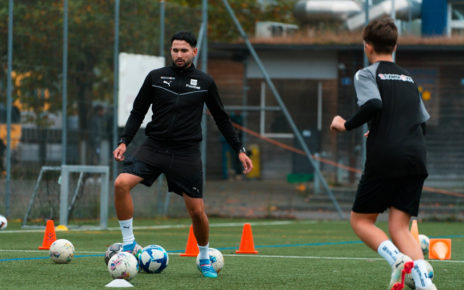
For amateur athletes, passion and commitment often come before financial rewards. Whether competing at a local level, representing a school or community club, or aiming for national selection, managing money wisely is essential. A clear and realistic sports budget helps athletes train consistently, avoid unnecessary financial stress, and plan for long-term development.
Unlike professional athletes, amateurs usually rely on personal income, family support, or small sponsorships. This makes budgeting even more important. Platforms such as The Online Athletic Journal: Connecting Fans with Unmatched Sports Insights often highlight how smart financial planning supports athlete development at every level of sport.
This guide explains how amateur athletes can create and manage a practical sports budget, with clear steps, real-world examples, and long-term planning tips.
Why a Sports Budget Matters for Amateur Athletes
Financial Control and Consistency
A sports budget helps athletes:
-
Understand total annual costs
-
Prioritize essential expenses
-
Avoid last-minute financial pressure
-
Maintain consistent training schedules
Without a budget, athletes may overspend on equipment or travel while underfunding critical areas such as medical care or coaching.
Supporting Long-Term Athletic Goals
Even at amateur level, sport is a long-term investment. Athletes who budget effectively are better prepared for:
-
Higher competition levels
-
Increased travel demands
-
Advanced coaching and training
Step 1: Identify All Sports-Related Expenses
The first step in creating a sports budget is listing all potential costs. These expenses vary by sport but usually fall into several key categories.
Training and Coaching Costs
Training expenses often include:
-
Coaching fees
-
Club or academy membership
-
Facility or field rental
-
Strength and conditioning sessions
For example, an amateur footballer training with a local club may pay monthly coaching fees, while a swimmer might budget for pool access and private technique sessions.
Equipment and Gear
Equipment costs depend on the sport:
-
Football boots, shin guards, and kits
-
Rackets, balls, or protective gear
-
Sport-specific technology or wearables
While professional clubs cover these costs for elite players, amateurs usually pay out of pocket.
Step 2: Include Competition and Travel Costs
Entry Fees and Registration
Most amateur competitions require:
-
League or tournament entry fees
-
Annual registration with federations
These fees support event organization, referees, and administration.
Travel and Accommodation
Competitions often involve:
-
Local or regional travel
-
Occasional overnight stays
-
Meals during events
Travel costs can quickly become one of the largest expenses, especially for athletes competing at regional or national levels.
Step 3: Plan for Health, Insurance, and Safety
Medical and Recovery Costs
Athletes should budget for:
-
Routine medical check-ups
-
Physiotherapy or rehabilitation
-
Recovery tools such as braces or support gear
Ignoring these costs can lead to bigger expenses later due to untreated injuries.
Sports Insurance
Insurance is a critical but often overlooked part of an amateur sports budget. Coverage may include:
-
Injury insurance
-
Personal liability coverage
-
Travel insurance for competitions
Guides such as Essentials of Sports Insurance: Protecting Your Future and Game explain why even non-professional athletes should prioritize insurance in their financial planning.
Step 4: Create a Simple Budget Structure
Annual vs Monthly Budgeting
Most amateur athletes benefit from:
-
An annual budget overview
-
Monthly expense tracking
This approach helps manage both fixed costs (membership fees) and variable costs (travel, equipment replacement).
Example of a Basic Amateur Sports Budget
A simple structure might include:
-
Training and coaching: 35%
-
Equipment and gear: 20%
-
Travel and competition: 25%
-
Medical and insurance: 10%
-
Emergency or savings fund: 10%
Percentages can be adjusted depending on the sport and competition level.
Step 5: Look for Funding and Cost-Saving Opportunities
Grants, Sponsorships, and Support
Amateur athletes can reduce financial pressure by exploring:
-
Local sports grants
-
School or university support programs
-
Community sponsorships
Resources like The Financial Playbook: Methods for Getting Sports Funding provide useful insights into how athletes and clubs secure financial support without relying on personal savings alone.
Smart Cost Management
Cost-saving strategies include:
-
Buying durable equipment instead of frequent replacements
-
Sharing travel with teammates
-
Using community facilities where possible
These small decisions can significantly reduce annual expenses.
Step 6: Understand the Bigger Sports Business Context
Learning from Professional Sports Budgets
While amateur athletes operate on much smaller budgets, professional sports offer useful lessons. For example, analysis such as Weekly Wages in the Premier League: How Much Do the Stars Earn? highlights how structured financial planning is essential even at the highest levels of sport.
The key takeaway is not the size of the budget, but how carefully it is managed.
Amateur Sport as a Development Pipeline
Many elite athletes started as amateurs with limited resources. National programs and Olympic pathways often identify athletes who manage training and finances responsibly before progressing further.
Step 7: Budgeting for Facilities and Training Environments
Facility Access and Maintenance
Access to quality facilities is essential. Budget considerations may include:
-
Field or court rental
-
Shared training spaces
-
Community sports centers
At club level, facility costs are often shared among members. Articles like Keeping Your Club’s Home Field in the Best Possible Condition: Essential Stadium Maintenance explain why facility upkeep requires consistent funding, even in amateur environments.
Step 8: Track Expenses and Review Regularly
Why Monitoring Matters
Tracking expenses helps athletes:
-
Identify overspending
-
Adjust priorities mid-season
-
Prepare for upcoming competitions
Simple tools such as spreadsheets or budgeting apps are often sufficient.
Adjusting as Goals Change
As athletes move to higher competition levels, budgets must evolve. Increased travel, advanced coaching, or international events all require financial adjustments.
Common Budgeting Mistakes Amateur Athletes Should Avoid
-
Underestimating travel and competition costs
-
Ignoring insurance and medical expenses
-
Overspending on non-essential equipment
-
Failing to set aside emergency funds
Avoiding these mistakes leads to more sustainable participation in sport.
Before the Conclusion: Learning from the Wider Sports Industry
Before concluding, it is helpful to see amateur sports budgeting as part of the wider sports ecosystem. Analysis such as An Analysis of the Market for Olympic Sports and International Competition shows how long-term funding, planning, and athlete support systems are essential at every level, from grassroots to elite competition.
Conclusion
Creating a sports budget for amateur athletes is not about limiting ambition; it is about supporting it responsibly. By identifying expenses, planning for health and insurance, seeking funding opportunities, and tracking spending, athletes can focus on performance without constant financial stress.
A well-managed budget helps amateur athletes train consistently, compete confidently, and prepare for future opportunities. Whether the goal is personal improvement or progression to higher levels, smart financial planning is a vital part of any successful sports journey.