A club’s home field is more than just a playing surface. It is the center of sporting identity, fan experience, and long-term financial stability. Whether it is a local community ground or a world-famous stadium, proper stadium maintenance plays a critical role in athlete performance, supporter safety, and overall club reputation.
In modern sport, stadium maintenance is closely connected to sports budgeting, management, insurance, and business strategy. Well-maintained facilities attract fans, sponsors, and events, while poorly managed grounds can lead to injuries, match postponements, and financial losses. Media platforms such as The Online Athletic Journal: Connecting Fans with Unmatched Sports Insights often highlight how infrastructure quality reflects a club’s professionalism and long-term planning.
This article explains the key elements of stadium maintenance, why it matters, and how clubs at all levels can manage it effectively.
Why Stadium Maintenance Is a Strategic Priority
Impact on Player Performance and Safety
The condition of a home field directly affects:
-
Player movement and confidence
-
Injury risk
-
Match quality and fairness
Uneven pitches, poor drainage, or worn-out turf increase the likelihood of muscle strains and joint injuries. Professional leagues such as the Premier League enforce strict pitch standards to protect players and maintain competition quality.
Fan Experience and Club Image
Supporters expect:
-
Safe seating and clear sightlines
-
Clean facilities
-
Reliable access and exits
A well-maintained stadium encourages repeat attendance and strengthens fan loyalty, which directly affects ticket sales and club revenue.
Key Areas of Stadium Maintenance
Pitch and Playing Surface Care
The playing surface is the most critical part of any stadium.
Essential tasks include:
-
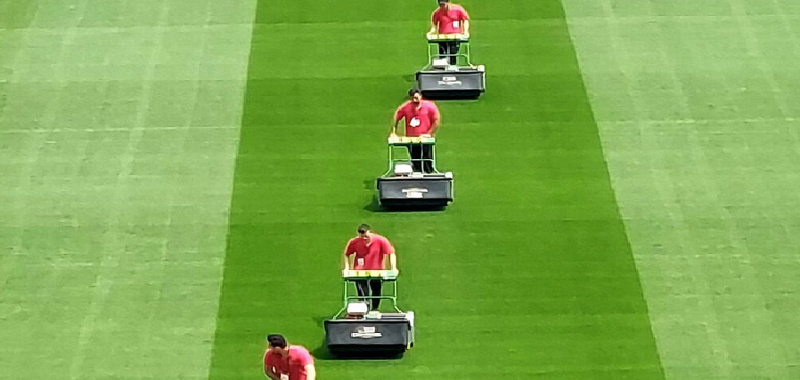
Regular mowing and turf management
-
Aeration and drainage maintenance
-
Repairing worn or damaged areas
-
Seasonal pitch renovation
Clubs using artificial turf must also budget for surface inspections and periodic replacement to meet league regulations.
Seating, Stands, and Structural Safety
Regular checks are required for:
-
Seating stability
-
Handrails and barriers
-
Roofing and support structures
Ignoring structural maintenance can lead to safety hazards and legal consequences.
Sports Budgeting for Stadium Maintenance
Planning Maintenance Costs
Stadium maintenance requires consistent funding. Typical budget categories include:
-
Groundskeeping staff salaries
-
Equipment and machinery
-
Utilities such as water and electricity
-
Repair and renovation costs
Budget planning methods similar to those discussed in Financial Playbook: Creating a Successful Budget for the Tournament Season of Your Team help clubs allocate resources throughout the season instead of reacting to emergencies.
Balancing Maintenance and Other Expenses
Clubs must balance:
-
Player wages
-
Coaching and development
-
Facility upkeep
Even elite clubs face trade-offs. Analysis such as Weekly Wages in the Premier League: How Much Do the Stars Earn? shows how large wage bills can put pressure on other operational budgets, including stadium investment.
Stadium Maintenance as a Sports Business Asset
Revenue Generation Through Facilities
A well-maintained stadium allows clubs to:
-
Host more matches and events
-
Rent facilities for concerts or community use
-
Increase ticket demand
Matchday revenue is closely tied to stadium quality. Fans are more likely to book tickets for comfortable, safe venues, as explained in Catch the Action Live! Book Your Sports Match Tickets Online.
Sponsorship and Commercial Appeal
Sponsors prefer clubs with:
-
Professional infrastructure
-
Modern facilities
-
Positive public image
Clean, well-run stadiums strengthen commercial partnerships and long-term business value.
Sports Insurance and Risk Management
Why Insurance Is Essential
Stadiums carry significant risk, including:
-
Fan injuries
-
Structural damage
-
Weather-related incidents
Proper insurance coverage protects clubs from unexpected financial losses. Resources such as Essentials of Sports Insurance: Protecting Your Future and Game explain how liability and property insurance support safe sports operations.
Common Insurance Areas for Stadiums
-
Public liability insurance
-
Property and asset insurance
-
Event cancellation coverage
Insurance requirements often increase as stadium size and event frequency grow.
Maintenance and Sports Management Responsibilities
Role of Stadium and Facility Managers
Effective stadium management involves:
-
Scheduling regular inspections
-
Coordinating maintenance teams
-
Ensuring compliance with league regulations
Professional facility managers work closely with club executives to align maintenance plans with sporting calendars.
Learning from Elite Clubs
Top clubs like Bayern Munich and Manchester City invest heavily in:
-
Hybrid pitch systems
-
Advanced drainage technology
-
Sustainable energy solutions
These investments reduce long-term maintenance costs while improving pitch reliability.
Stadium Maintenance at Grassroots and Amateur Levels
Challenges for Smaller Clubs
Community and amateur clubs often face:
-
Limited budgets
-
Volunteer-based maintenance
-
Aging facilities
In these cases, financial planning guidance similar to How to Create a Sports Budget for Amateur Athletes can be adapted to help clubs prioritize essential maintenance over non-critical upgrades.
Smart Solutions for Limited Resources
-
Shared facility use
-
Phased renovation plans
-
Local sponsorship and grants
Even small improvements can significantly enhance safety and usability.
Maintenance, Media, and Public Perception
How Stadium Conditions Affect Sports News
Poor stadium conditions often attract negative media attention, especially when matches are postponed or injuries occur. Responsible sports journalism highlights the importance of infrastructure investment, reinforcing accountability within clubs.
Coverage that connects infrastructure quality with performance and management decisions helps fans understand the broader context of success and failure in sport.
Sustainability and the Future of Stadium Maintenance
Eco-Friendly Maintenance Practices
Modern stadiums increasingly focus on:
-
Water-efficient irrigation
-
Energy-saving lighting systems
-
Sustainable turf management
These practices reduce costs and align clubs with environmental expectations from fans and sponsors.
Long-Term Investment Thinking
Stadium maintenance should be seen as an investment, not just an expense. Well-maintained facilities:
-
Last longer
-
Require fewer emergency repairs
-
Increase overall club value
This approach is common in international sport, as highlighted in An Analysis of the Market for Olympic Sports and International Competition, where host venues are planned with long-term legacy in mind.
Before the Conclusion: Maintenance as Part of Club Culture
Before concluding, it is important to recognize that stadium maintenance reflects club culture. Clubs that prioritize infrastructure often demonstrate stronger governance, better financial planning, and greater respect for athletes and fans. These values contribute to long-term sporting and commercial success.
Conclusion
Keeping a club’s home field in the best possible condition is a fundamental part of modern sports management. Stadium maintenance affects player safety, fan experience, financial performance, and public reputation. From pitch care and structural safety to budgeting and insurance, every aspect requires careful planning and consistent investment.
Whether at grassroots or elite level, clubs that treat their stadium as a strategic asset—not just a venue—are better positioned for long-term success. By integrating smart budgeting, professional management, and risk protection, stadium maintenance becomes a powerful foundation for sustainable sport.