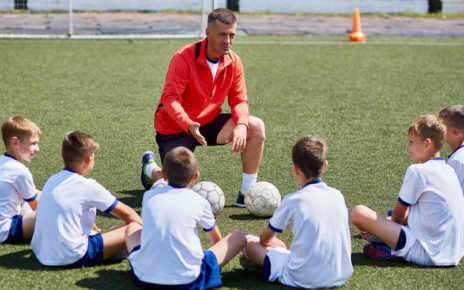
Player development is at the heart of successful sports teams, whether at the youth academy level or in professional leagues. Behind every elite athlete, there is a dedicated sports manager coordinating training, performance tracking, and career growth. Sports managers are essential for creating environments where athletes can maximize their potential while ensuring clubs operate efficiently. Understanding their role helps clubs, investors, and players appreciate the business and strategic side of sports.
For a broader perspective on sports business management, you can explore our guide on How Esports and Traditional Sports Business Are Connected.
What Sports Managers Do in Player Development
Sports managers play multiple roles that directly impact an athlete’s career trajectory:
1. Planning and Organizing Training Programs
A core responsibility is designing and overseeing structured training programs tailored to individual player needs. This includes:
-
Monitoring player fitness and performance metrics
-
Coordinating with coaches, physiotherapists, and nutritionists
-
Implementing recovery and injury-prevention protocols
For example, in football, clubs like Manchester City invest heavily in sports managers to monitor player workloads and prevent burnout, ensuring consistent performance on the pitch.
2. Talent Identification and Recruitment
Sports managers evaluate potential talent for recruitment and academy development. Their responsibilities include:
-
Scouting young players with high potential
-
Organizing trials and performance assessments
-
Collaborating with coaches to align talent with team strategy
This is particularly relevant in professional football and esports academies, where identifying the right talent early can save clubs significant costs. Our Budget Planning Guide for Youth Sports Academies provides insight into the financial planning involved in nurturing young athletes.
3. Career Development and Mentorship
Beyond physical training, sports managers guide players through career milestones:
-
Advising on contract negotiations and transfers
-
Supporting mental health and resilience strategies
-
Creating long-term development plans, including post-retirement preparation
Elite managers often act as mentors. For instance, NBA players frequently cite the influence of team managers in helping young athletes adapt to professional life, manage media pressure, and maximize sponsorship opportunities.
How Sports Managers Collaborate With Other Professionals
Player development is a collaborative effort requiring close coordination between multiple departments:
-
Coaches and Trainers: Sports managers ensure training schedules align with team tactics and individual improvement plans.
-
Medical Teams: Managers coordinate injury prevention programs, rehabilitation schedules, and overall player health monitoring.
-
Analysts and Scouts: Managers work with performance analysts to evaluate metrics, identifying strengths and areas for improvement.
A real-world example is FC Barcelona, where sports managers integrate medical, technical, and performance data to optimize youth player development in La Masia, the club’s famed academy.
Integrating Technology in Player Development
Modern sports managers leverage technology for data-driven decisions:
-
Wearable devices track player movements, heart rates, and workload
-
Video analysis tools evaluate in-game decisions and positioning
-
AI platforms predict injury risks and optimize training schedules
These innovations improve efficiency, reduce injuries, and enhance player performance. Learn more about these advancements in our article on Sports Technology Innovations Making Headlines.
Financial and Business Implications
Sports managers do not just influence athletic performance—they are crucial for financial sustainability. Key responsibilities include:
-
Managing player budgets, salaries, and bonuses
-
Negotiating sponsorship deals and commercial partnerships
-
Ensuring efficient allocation of training and equipment resources
Clubs like Real Madrid and Golden State Warriors have sports managers who balance player development with financial prudence, ensuring both performance and profitability. To understand these financial dimensions, explore How Investors Profit from Sports Sponsorships.
Risk Management and Insurance
Player development also involves managing risks:
-
Coordinating insurance coverage for injuries
-
Ensuring compliance with league regulations
-
Planning for contingencies such as unexpected player transfers or career-threatening injuries
Proper management reduces financial liabilities while protecting the athlete’s career, which is detailed further in Common Sports Injuries Covered by Insurance.
Key Skills Every Sports Manager Needs
To excel in player development, sports managers require a blend of technical, interpersonal, and strategic skills:
-
Leadership and Communication: Motivating athletes and coordinating multidisciplinary teams
-
Analytical Abilities: Interpreting performance data and tracking progress
-
Financial Acumen: Planning budgets and managing resources efficiently
-
Adaptability: Responding to injuries, transfers, or changes in team strategy
-
Mentorship: Guiding athletes’ career choices, mental health, and personal development
Clubs that prioritize hiring skilled sports managers, such as Liverpool FC, consistently see better player retention, fewer injuries, and stronger long-term team performance.
Challenges Faced by Sports Managers
Despite their pivotal role, sports managers encounter challenges that require careful navigation:
-
Balancing competitive success with player welfare
-
Managing conflicts between coaches, players, and management
-
Operating under strict budget constraints
-
Staying up-to-date with evolving sports technologies and methodologies
Addressing these challenges effectively ensures both individual and team growth, making sports management a critical function in professional and youth sports alike.
Conclusion
Sports managers are the backbone of player development. Their work spans training oversight, talent identification, career mentorship, financial management, and risk mitigation. By fostering collaboration among coaches, medical staff, analysts, and scouts, managers create an environment where athletes can thrive.
In today’s competitive sports landscape, effective sports management not only develops individual talent but also contributes to club success, financial stability, and long-term sustainability. For a deeper understanding of managing athlete careers, check out our guide on Managing Professional Athletes: Best Practices.