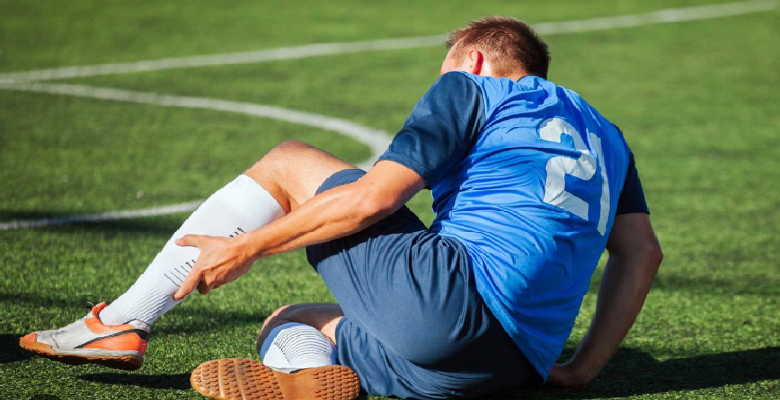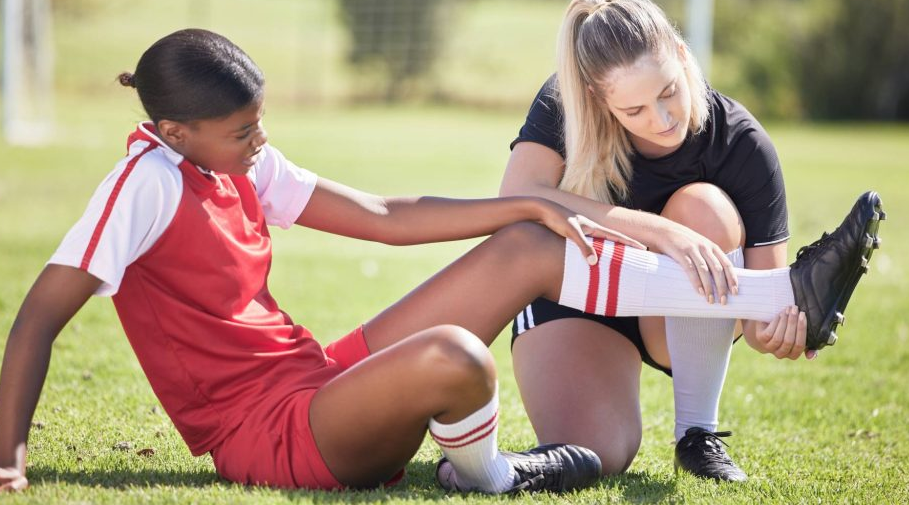
Sports injuries are an unavoidable part of athletic participation, whether at amateur, youth, or professional levels. From muscle strains to serious ligament tears, injuries can disrupt careers, increase medical costs, and place financial pressure on athletes and sports organizations. This is why sports insurance plays a critical role in modern sports management and financial planning.
To fully understand injury protection, it is important to first understand the purpose of sports insurance itself. Guides such as What Is Sports Insurance and Why Athletes Need It explain how insurance supports athlete safety, financial stability, and long-term participation in sport.
This article explains the most common sports injuries covered by insurance, how coverage works, and why it matters for athletes, clubs, and sports academies.
Why Sports Injury Insurance Is Essential
Sports injuries are not limited to contact sports like football or rugby. Non-contact sports such as athletics, tennis, and swimming also carry risks.
Sports injury insurance helps to:
-
Cover medical treatment and rehabilitation costs
-
Reduce financial stress on athletes and families
-
Protect clubs and academies from liability claims
-
Support faster and safer return to play
In professional sports, insurance is part of structured risk management. In amateur and youth sports, it provides essential protection against unexpected medical expenses.
How Sports Insurance Covers Injuries
Sports insurance policies typically cover injuries that occur:
-
During training sessions
-
In official matches or competitions
-
While traveling for sanctioned sports events
Coverage varies depending on the policy, competition level, and governing body regulations. Understanding policy details is crucial for athletes and sports managers.
Most Common Sports Injuries Covered by Insurance
1. Muscle Strains and Tears
Muscle injuries are among the most frequent in sports.
Common examples include:
-
Hamstring strains in football and sprinting
-
Calf muscle tears in tennis and basketball
-
Groin strains in hockey and football
Insurance coverage usually includes:
-
Medical diagnosis and imaging
-
Physiotherapy and rehabilitation
-
Follow-up medical visits
These injuries are common across leagues, from youth football academies to professional clubs like those in the Premier League.
2. Ligament Injuries
Ligament injuries are often more serious and costly.
Typical ligament injuries include:
-
Anterior Cruciate Ligament (ACL) tears
-
Medial Collateral Ligament (MCL) injuries
-
Ankle ligament sprains
ACL injuries, for example, have affected high-profile athletes across football, basketball, and skiing. Insurance coverage often supports:
-
Surgical procedures
-
Long-term rehabilitation
-
Post-surgery recovery programs
Understanding coverage categories is easier when reviewing resources such as Types of Sports Insurance Explained Simply, which breaks down how different policies handle injury claims.
3. Bone Fractures and Stress Fractures
Bone injuries can result from impact or overuse.
Common fracture types include:
-
Wrist and forearm fractures in cycling and gymnastics
-
Stress fractures in runners
-
Collarbone fractures in contact sports
Insurance coverage typically includes:
-
Emergency treatment
-
Hospital stays
-
Rehabilitation and follow-up care
These injuries are common at all levels, from school sports to elite competitions.
4. Joint Dislocations
Joint dislocations occur when bones are forced out of alignment.
Frequently affected joints:
-
Shoulder dislocations in rugby and swimming
-
Finger dislocations in basketball and volleyball
-
Knee dislocations in high-impact sports
Insurance policies usually cover:
-
Emergency treatment
-
Imaging and diagnostics
-
Rehabilitation programs
Proper coverage ensures athletes receive timely care and avoid long-term damage.
5. Concussions and Head Injuries
Head injuries are a major concern in modern sports.
Common causes include:
-
Collisions in football and rugby
-
Falls in cycling and skating
-
Accidental contact in basketball
Most sports insurance policies now include:
-
Medical evaluation and monitoring
-
Neurological assessments
-
Gradual return-to-play protocols
Professional leagues and youth sports organizations increasingly prioritize concussion management as part of athlete welfare.
Overuse Injuries and Chronic Conditions
Not all injuries occur suddenly. Many develop over time due to repetitive motion.
Examples include:
-
Tendinitis in tennis and baseball
-
Shin splints in runners
-
Lower back pain in rowing and weightlifting
Insurance coverage often applies if:
-
The injury is linked to organized sports activity
-
Medical documentation supports the diagnosis
This is particularly relevant for young athletes in structured training environments, as discussed in Sports Insurance for Amateur and Youth Players.
Injuries Covered During Training and Competition
Insurance coverage generally applies to:
-
Official training sessions
-
Competitive matches
-
Pre-season camps and tournaments
However, coverage may not apply to:
-
Unofficial recreational activities
-
Injuries outside approved programs
-
Activities excluded in the policy
Sports managers must ensure athletes understand when and where coverage applies.
Medical and Rehabilitation Costs Covered by Insurance
Sports injury insurance often includes:
-
Doctor consultations and specialist visits
-
Diagnostic tests such as X-rays and MRIs
-
Physical therapy and rehabilitation programs
-
Prescription medication related to the injury
High-quality policies may also support:
-
Psychological support after serious injury
-
Long-term recovery planning
This level of coverage is critical for maintaining athlete performance and career longevity.
Role of Insurance in Sports Budget Planning
Injuries can significantly impact sports budgets. Without insurance, clubs and academies may face:
-
Unexpected medical bills
-
Legal liabilities
-
Disrupted training programs
By including insurance in financial planning, sports organizations can control costs and protect resources. This approach aligns with best practices discussed in Best Insurance Coverage for Sports Injuries, where risk management and budgeting go hand in hand.
Youth, Amateur, and Professional Coverage Differences
Youth and Amateur Athletes
Coverage often focuses on:
-
Basic medical treatment
-
Emergency care
-
Short-term rehabilitation
These policies aim to protect families and schools from financial burden.
Professional Athletes
Professional policies are more comprehensive and may include:
-
Salary protection
-
Long-term medical care
-
Career-ending injury support
The level of coverage reflects the financial and performance stakes involved.
The Role of Sports Managers and Clubs
Sports managers play a key role in injury insurance by:
-
Selecting appropriate coverage
-
Educating athletes on policy terms
-
Coordinating claims and medical support
Effective insurance management supports athlete trust and organizational credibility.
Injury Prevention and Insurance Awareness
While insurance is essential, prevention remains equally important.
Clubs and academies should invest in:
-
Proper warm-up and conditioning programs
-
Qualified coaching staff
-
Safe training facilities
Insurance complements prevention by providing financial security when injuries still occur.
Looking at the Bigger Picture of Athlete Protection
Before concluding, it is important to recognize how injury coverage fits into the wider sports ecosystem. Articles such as How Sports Insurance Protects Professional Athletes highlight the long-term role insurance plays in safeguarding athlete careers and organizational stability.
As sports continue to grow in intensity and professionalism, insurance coverage becomes a standard requirement rather than an optional extra.
Conclusion
Common sports injuries such as muscle strains, ligament tears, fractures, concussions, and overuse injuries are typically covered by sports insurance when they occur during organized training or competition. This coverage is essential for managing medical costs, protecting athletes, and maintaining financial stability for clubs and academies.
From youth sports programs to professional leagues, sports injury insurance supports safer participation, better recovery, and long-term sustainability. Understanding what injuries are covered helps athletes, parents, and sports organizations make informed decisions and plan responsibly for the future.