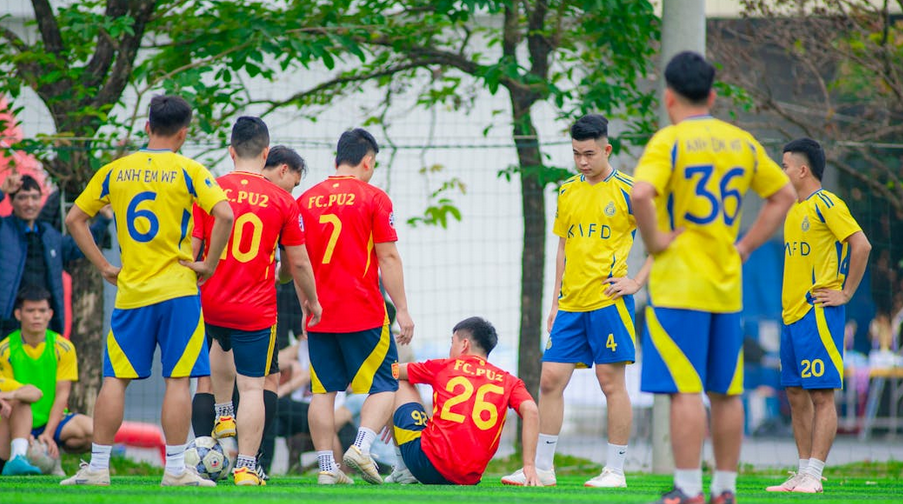
Sports participation among children and amateur athletes continues to grow worldwide. From local football academies and school basketball teams to youth athletics programs, organized sport offers physical, social, and personal development benefits. However, it also carries risks. Injuries, accidents, and unexpected medical costs can place heavy financial and emotional pressure on families and clubs.
This is where sports insurance for amateur and youth players becomes critical. As explained in What Is Sports Insurance and Why Athletes Need It, proper coverage protects not only players but also coaches, clubs, and organizers from long-term consequences.
This article provides a clear, practical guide to sports insurance for amateur and youth players, explaining coverage types, benefits, real-world examples, and how to choose the right policy.
Why Sports Insurance Matters for Youth and Amateur Athletes
Higher Participation, Higher Risk
Youth and amateur sports involve frequent training, travel, and competition. Common risks include:
-
Muscle strains and fractures
-
Head injuries and concussions
-
Accidents during travel or events
For example, youth football leagues in Europe and North America regularly report injury rates similar to semi-professional levels, especially during competitive seasons.
Limited Financial Safety Nets
Unlike professional athletes, amateur and youth players:
-
Do not earn wages from sport
-
Often lack private health insurance
-
Depend on parents or clubs for support
Without sports insurance, even minor injuries can create serious financial challenges.
What Is Sports Insurance for Amateur and Youth Players?
Sports insurance is a specialized form of coverage designed to protect athletes and organizations involved in sporting activities. For youth and amateur players, it typically includes:
-
Medical expense coverage
-
Accident and injury protection
-
Liability coverage for clubs and coaches
Understanding the basics, as outlined in Types of Sports Insurance Explained Simply, helps families and clubs choose suitable policies without unnecessary costs.
Key Types of Sports Insurance Coverage
1. Personal Accident Insurance
This is the most common form of coverage for amateur and youth players. It provides compensation for:
-
Injuries sustained during training or matches
-
Temporary or permanent disability
-
Accidental death (in rare, severe cases)
Many school sports programs require this coverage before allowing participation.
2. Medical Expense Coverage
Medical insurance related to sports injuries can include:
-
Hospital treatment
-
Surgery and rehabilitation
-
Physiotherapy sessions
In countries where public healthcare does not fully cover sports injuries, this protection is essential.
3. Sports Liability Insurance
Liability insurance protects clubs, coaches, and organizers if:
-
A player is injured due to negligence
-
A third party is harmed during an event
Youth academies and community clubs often rely on this coverage to operate safely and legally.
Who Should Be Covered Under Youth Sports Insurance?
Players
All registered players, regardless of age or skill level, should be insured during:
-
Training sessions
-
Matches and tournaments
-
Official travel
Coaches and Volunteers
Coaches working with youth athletes face legal and safety responsibilities. Insurance helps protect them from personal liability claims.
Clubs and Associations
Clubs organizing competitions or training sessions must protect themselves against unexpected legal and medical costs. Strong insurance planning also supports better management, similar to the principles discussed in Basics of Sports Management Explained.
Real-World Examples from Youth and Amateur Sports
-
Grassroots Football Clubs: Many FA-affiliated youth clubs in England include mandatory insurance as part of player registration fees.
-
School Sports Programs: In the United States, high school athletic associations often provide group insurance for student-athletes.
-
Amateur Athletics Meets: Event organizers require temporary insurance coverage to protect participants and volunteers.
These examples show that insurance is not a luxury but a standard part of responsible sports management.
Balancing Sports Insurance With Budget Constraints
Cost Concerns for Families and Clubs
One common challenge is affordability. Youth sports already involve costs for:
-
Equipment and kits
-
Travel and training fees
-
Facility usage
Poor planning can lead to financial strain, which is why many families benefit from insights like those in Sports Budget Mistakes That Athletes Should Avoid.
Group Insurance Plans
Clubs can reduce costs by:
-
Negotiating group insurance policies
-
Including insurance in annual membership fees
-
Partnering with local insurers
Group coverage is often more affordable than individual policies.
How Sports Insurance Supports Long-Term Athlete Development
Encouraging Safe Participation
Knowing that insurance is in place allows young athletes to:
-
Train with confidence
-
Focus on skill development
-
Return safely after injury
Parents are also more comfortable allowing children to participate when risks are managed properly.
Protecting Future Opportunities
Serious injuries without proper coverage can end a young athlete’s sporting journey early. Insurance ensures access to rehabilitation and recovery, supporting long-term development.
Sports Insurance and Club Management Responsibilities
Insurance is not just about protection; it reflects professional management standards. Clubs that prioritize insurance demonstrate:
-
Duty of care toward players
-
Strong governance and planning
-
Credibility with parents and sponsors
Effective coordination between insurance, operations, and finances aligns with how How Sports Managers Handle Team Operations emphasizes structured club management.
How to Choose the Right Sports Insurance Policy
When selecting insurance for amateur and youth players, consider:
-
Scope of Coverage: Does it cover training, matches, and travel?
-
Age Limits: Some policies have age restrictions
-
Exclusions: Check for excluded sports or injury types
-
Claims Process: Simple and transparent claims handling
Parents and club administrators should review policies annually, especially as players move into higher competition levels.
The Role of Sports Insurance in Community and School Sports
Community and school-based sports programs often operate with limited resources. Insurance helps:
-
Protect public facilities and organizers
-
Ensure continuity of programs
-
Reduce legal and financial risks
This stability allows sports programs to focus on development rather than crisis management.
Before the Conclusion: Linking Insurance With Overall Athlete Care
Sports insurance works best when combined with broader athlete welfare strategies. Programs that also prioritize medical screening, proper coaching education, and health coverage—similar to Complete Health Coverage for Athletic Participants: AthleteCare—create safer environments for young athletes.
Insurance is one part of a complete support system that protects both performance and well-being.
Conclusion
Sports insurance for amateur and youth players is an essential foundation of modern sports participation. It protects young athletes from financial hardship, supports clubs in managing risk, and reassures families that safety is a priority.
As youth sports continue to grow in scale and competitiveness, insurance should be viewed not as an optional cost but as a core investment in athlete welfare and responsible sports management. Well-structured insurance policies ensure that the benefits of sport—health, teamwork, and development—are enjoyed with confidence and security.