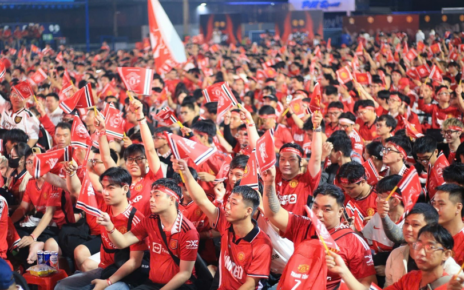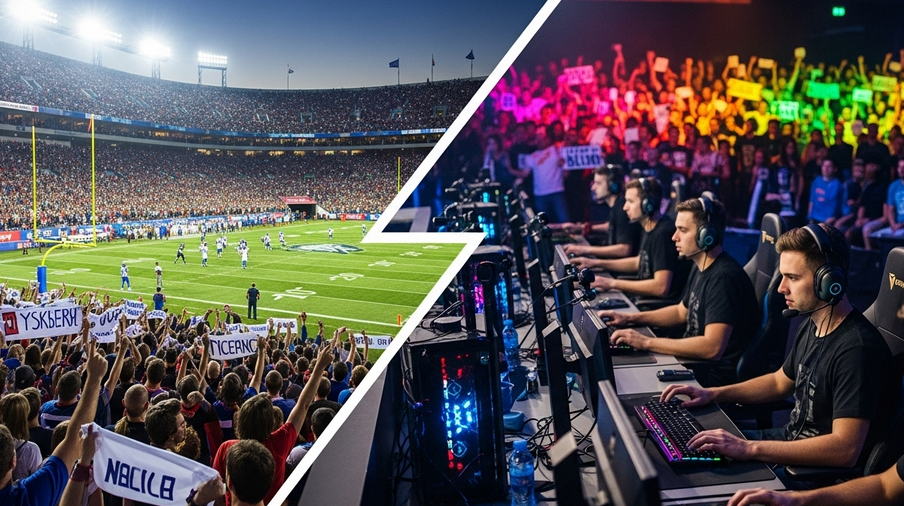
Esports is no longer a niche entertainment industry. It has grown into a global sports business that shares many similarities with traditional sports such as football, basketball, and cricket. From club ownership and sponsorship deals to media rights and athlete management, esports follows many of the same business models that have shaped professional sports for decades.
To understand this connection clearly, it helps to look at how modern sports organizations manage budgets, investments, and long-term growth. Articles like Latest Trends in Global Sports Industry show that esports and traditional sports are increasingly part of the same commercial ecosystem rather than separate worlds.
This article explains how esports and traditional sports business are connected, focusing on sports management, investment, insurance, marketing, and financial planning in a clear and practical way.
The Business Evolution of Esports
From Gaming to Organized Sports
Esports began as competitive gaming communities, but it has evolved into structured leagues and professional organizations. Major esports titles such as League of Legends, Dota 2, and Counter-Strike now operate with:
-
Professional teams and coaching staff
-
League systems and seasonal competitions
-
Player contracts and transfer agreements
This structure closely mirrors traditional sports leagues like the Premier League or NBA.
Professionalization and Governance
Just as traditional sports rely on governing bodies, esports now has publishers and tournament organizers that act as regulators. Organizations such as Riot Games and Valve manage competitive rules, player eligibility, and commercial rights, similar to FIFA or the International Olympic Committee.
Shared Sports Business Models
Club Ownership and Franchising
Many esports teams operate under franchise models similar to traditional sports. Examples include:
-
Team Liquid and Cloud9, which have structured ownership and investor backing
-
NBA-linked teams such as Golden State Warriors Esports
These organizations use long-term business planning, facility investments, and brand development strategies comparable to football clubs and basketball franchises.
Understanding How Sports Clubs Make Money: Business Models Explained helps clarify why esports teams follow similar revenue-driven structures.
Revenue Streams in Esports and Traditional Sports
Both industries rely on diversified income sources:
-
Sponsorships and brand partnerships
-
Media and streaming rights
-
Merchandise sales
-
Ticketed live events
While esports focuses more on digital platforms, the financial logic remains the same.
Sports Investment: A Shared Growth Strategy
Why Investors See Esports as Sports Business
Esports attracts traditional sports investors because it offers:
-
Global audiences
-
Younger fan demographics
-
Scalable digital revenue
Football clubs like Paris Saint-Germain and Manchester City have invested in esports teams to expand their brand reach and diversify income.
This mirrors concepts discussed in What Is Sports Investment?, where long-term growth, fan engagement, and commercial returns are key drivers.
Risks and Returns
Like traditional sports, esports investments carry risks:
-
Changing game popularity
-
Publisher-controlled ecosystems
-
High player turnover
However, strong governance and smart budgeting reduce these risks, just as they do in conventional sports.
Sports Budgeting and Financial Planning
Cost Structures in Esports
Esports teams manage budgets similar to professional sports clubs:
-
Player salaries and performance bonuses
-
Coaching and analytics staff
-
Training facilities and boot camps
-
Travel for international competitions
Financial discipline is critical. Poor budgeting can lead to sustainability issues, a challenge shared across both sectors.
Learning from Traditional Sports Budgeting
Traditional sports have decades of experience in cost control. Insights from Sports Budget Mistakes That Athletes Should Avoid apply equally to esports organizations trying to balance growth and profitability.
Sponsorship and Branding Connections
Shared Sponsorship Strategies
Brands that sponsor traditional sports increasingly invest in esports. Companies like Nike, Adidas, Red Bull, and Mercedes-Benz sponsor both football clubs and esports teams.
Effective Sponsorship Strategies for Sports Teams now include:
-
Cross-promotion between physical and digital sports
-
Influencer-driven athlete marketing
-
Global brand storytelling
Brand Value and Fan Loyalty
Just like traditional sports, esports teams focus heavily on branding. Strong identities help teams attract sponsors, fans, and long-term investment. Jerseys, logos, and digital content serve the same role as in football or basketball.
Sports Management and Athlete Care
Professional Player Management
Esports athletes follow structured routines similar to traditional athletes:
-
Training schedules
-
Performance analysis
-
Mental and physical health support
This aligns with principles discussed in Managing Professional Athletes: Best Practices, where long-term performance depends on holistic management.
Leadership and Team Operations
Successful esports organizations require skilled managers, coaches, and support staff. Core skills include:
-
Communication and leadership
-
Financial planning
-
Conflict resolution
-
Performance evaluation
These are the same competencies highlighted in modern sports management education.
Sports Insurance and Risk Management
Why Insurance Matters in Esports
While esports is less physically demanding, risks still exist:
-
Repetitive strain injuries
-
Mental health challenges
-
Travel-related risks
Esports organizations increasingly explore insurance options similar to traditional sports teams. Learning from Types of Sports Insurance Explained Simply helps organizations protect players and staff.
Adapting Traditional Insurance Models
Insurance providers are adapting traditional sports coverage to esports by focusing on:
-
Health and wellness programs
-
Contract protection
-
Event liability coverage
This shows how deeply esports is integrating into the established sports business framework.
Media Rights and Sports Technology
Broadcasting and Streaming
Traditional sports rely on TV broadcasting rights, while esports thrives on streaming platforms like Twitch and YouTube. Despite different platforms, the business principle is identical: monetizing audience attention.
Articles such as Sports Technology Innovations Making Headlines highlight how both sectors use data, analytics, and digital platforms to grow revenue.
Fan Engagement Through Technology
Esports leads in digital engagement, but traditional sports are quickly adopting similar strategies:
-
Live interaction
-
Data-driven content
-
Personalized fan experiences
This cross-learning benefits both industries.
Esports as Part of the Global Sports Economy
Integration with Traditional Sports Events
Esports tournaments are now held in major stadiums and alongside traditional sports events. This creates:
-
Shared infrastructure use
-
Combined marketing opportunities
-
New revenue streams
It also reflects broader changes discussed in Major Sports Events That Changed the Industry, where innovation reshapes how sports are consumed.
Preparing for the Future of Sports Business
Before concluding, it is important to view esports within the wider sports economy. Insights from How Sports Business News Impacts Clubs and Players show that financial trends, media deals, and investment flows now affect esports and traditional sports equally.
As technology and fan behavior continue to evolve, the business connection between esports and traditional sports will only grow stronger.
Conclusion
Esports and traditional sports business are deeply connected through shared financial models, management principles, investment strategies, and commercial goals. While the platforms and audiences may differ, the underlying sports business fundamentals remain the same.
From budgeting and sponsorship to insurance and athlete management, esports has adopted many proven practices from traditional sports. At the same time, traditional sports are learning from esports’ digital innovation and global reach.
Understanding this connection is essential for sports managers, investors, and fans who want to stay informed about the future of the global sports industry.