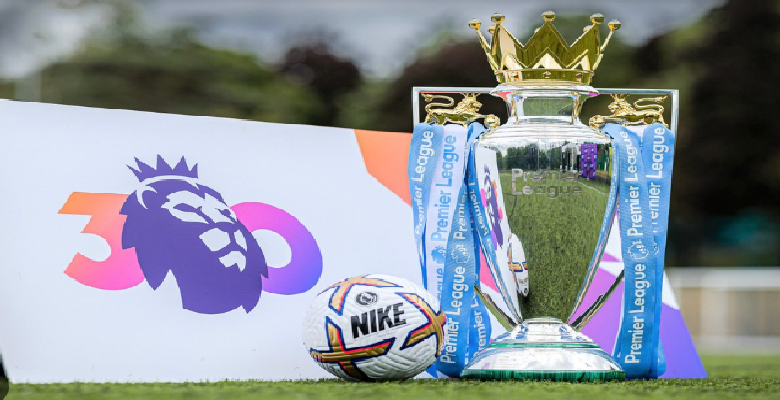
Sponsorship is one of the most important revenue pillars in modern sports. From grassroots clubs to elite professional teams, sponsorship partnerships help fund operations, support athlete development, and grow brand visibility. In today’s competitive sports environment, teams must approach sponsorship strategically rather than relying on short-term deals.
As discussed in How Sports Business News Impacts Clubs and Players, sponsorship trends and commercial announcements often shape the financial direction of clubs and influence decisions around wages, facilities, and squad investment. This article explains how sports teams can develop effective sponsorship strategies that deliver long-term value for both clubs and partners.
Understanding Sponsorship in Modern Sports
What Is Sports Sponsorship?
Sports sponsorship is a commercial agreement where a brand provides financial or in-kind support to a team in exchange for marketing exposure and association with the sport. Sponsorship can include:
-
Shirt and kit branding
-
Stadium naming rights
-
Digital and social media partnerships
-
Event and tournament sponsorships
Successful sponsorship is not just about logos; it is about aligning values, audiences, and long-term objectives.
Why Sponsorship Matters for Teams
Sponsorship revenue supports key areas such as:
-
Player salaries and bonuses
-
Training equipment and facilities
-
Travel and competition costs
-
Youth development and academies
For smaller clubs, sponsorship can be the difference between survival and closure, making it a core element of sports financial planning.
Types of Sponsorship Strategies for Sports Teams
1. Brand Alignment Strategy
The most effective sponsorships occur when a team’s identity matches the sponsor’s brand values. For example:
-
Eco-conscious brands partnering with clubs promoting sustainability
-
Technology firms sponsoring teams known for innovation
Clubs like FC Barcelona and Bayern Munich focus on sponsors that align with their global image and community values.
2. Tiered Sponsorship Packages
Offering multiple sponsorship levels helps teams attract a wider range of partners:
-
Title sponsors
-
Official partners
-
Local or community sponsors
This approach allows clubs to diversify income, similar to principles outlined in How Sports Clubs Make Money: Business Models Explained, where multiple revenue streams reduce financial risk.
3. Digital and Social Media Sponsorship
With fans consuming content online, digital sponsorship has become essential. Teams now offer:
-
Sponsored social media posts
-
Branded video content
-
Online fan engagement campaigns
This strategy is particularly effective for clubs with younger audiences and global reach.
Budgeting and Financial Planning for Sponsorship
Integrating Sponsorship into Team Budgets
Sponsorship income should be planned carefully within the club’s overall financial structure. Clubs often allocate sponsorship funds to:
-
Fixed operational costs
-
Player development programs
-
Marketing and fan engagement
This aligns with best practices discussed in Monthly Sports Budget Planning for Football Players, where predictable income sources help stabilize financial planning.
Managing Sponsorship Risks
While sponsorship is valuable, over-reliance on a single sponsor can be risky. Teams should:
-
Avoid dependency on one major sponsor
-
Include exit clauses in contracts
-
Maintain reserve funds
Risk management also links closely to insurance planning, a topic covered in Types of Sports Insurance Explained Simply, which highlights how clubs protect themselves against financial disruptions.
How Sports Managers Execute Sponsorship Deals
Negotiation and Contract Management
Sports managers play a critical role in:
-
Negotiating fair sponsorship terms
-
Ensuring compliance with league regulations
-
Managing sponsor relationships
As explained in How Sports Managers Handle Team Operations, managers must balance commercial goals with sporting performance and team culture.
Activation and Value Delivery
A sponsorship deal is only successful if both parties see value. Clubs should:
-
Actively promote sponsors during matches and events
-
Provide measurable exposure reports
-
Engage sponsors in community initiatives
For example, Premier League clubs regularly activate sponsorships through matchday promotions and fan experiences, enhancing brand visibility.
Sponsorship in Different Levels of Sport
Professional Teams
Top-tier clubs benefit from:
-
Global broadcast exposure
-
High-value shirt sponsorships
-
Long-term commercial partnerships
Clubs like Manchester United and Real Madrid generate significant revenue from global sponsors due to their international fanbase.
Amateur and Semi-Professional Teams
Smaller clubs rely more on:
-
Local business sponsorships
-
Community-based partnerships
-
In-kind support (equipment, transport, services)
Budget-conscious teams often combine sponsorship with cost-control strategies such as those highlighted in Best Budget Tips for Managing Training & Equipment Costs.
Olympic and International Sports
In Olympic sports, sponsorship strategies often depend on:
-
National federation support
-
Government funding
-
Long-term athlete development goals
This reflects broader trends discussed in An analysis of the market for Olympic sports and international competition, where sponsorship plays a crucial role in sustaining less-commercialized sports.
Measuring Sponsorship Success
Key Performance Indicators (KPIs)
Teams should track sponsorship performance using:
-
Brand exposure metrics
-
Fan engagement data
-
Revenue growth linked to sponsorship
Transparent reporting builds trust and increases the likelihood of renewal.
Long-Term Relationship Building
Sustainable sponsorship focuses on partnerships rather than one-off deals. Long-term sponsors often:
-
Increase financial support over time
-
Participate in club development projects
-
Strengthen community impact
Clubs that nurture relationships tend to outperform those focused solely on short-term revenue.
Challenges in Sports Sponsorship
Common challenges include:
-
Economic downturns affecting sponsor budgets
-
Reputation risks linked to sponsor controversies
-
Changing fan expectations around ethics and sustainability
Clubs must adapt by staying informed about market developments and aligning sponsorship strategies with broader industry trends, as highlighted in Latest Trends in Global Sports Industry.
Conclusion
Sponsorship strategies are a cornerstone of modern sports finance. By focusing on brand alignment, diversified partnerships, careful budgeting, and long-term value creation, sports teams can build sustainable revenue models that support both performance and growth. Effective sponsorship management requires collaboration between sports managers, athletes, and commercial partners, ensuring that financial success complements sporting excellence.