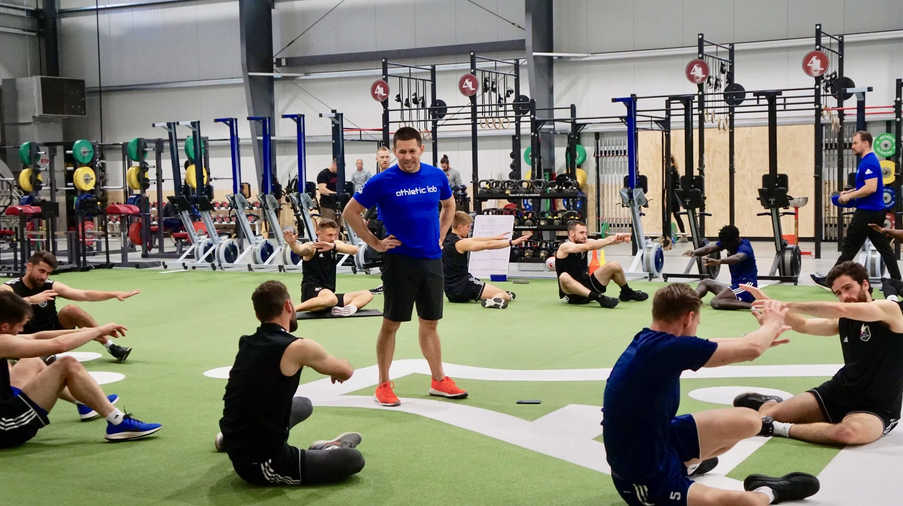
Managing training and equipment costs is one of the biggest financial challenges for athletes, teams, and sports clubs. From grassroots football academies to professional leagues, rising expenses can strain budgets and affect performance if not handled carefully.
In today’s competitive sports environment, understanding how to plan, control, and optimize spending is just as important as physical preparation. This article explains the best budget tips for managing training and equipment costs, using real-world sports examples and proven sports management principles. It is designed for amateur athletes, coaches, sports managers, and club owners who want sustainable success.
Modern cost control strategies are also closely linked to broader industry trends, as discussed in Latest Trends in Global Sports Industry, where financial efficiency has become a key performance indicator across leagues.
Why Training and Equipment Costs Matter in Sports
Training and equipment costs directly impact athlete development and long-term club stability. Poor financial planning can lead to:
-
Limited access to quality coaching
-
Outdated or unsafe equipment
-
Increased injury risk
-
Reduced participation opportunities
For example, many lower-league football clubs in Europe struggle to maintain youth programs because equipment and facility costs rise faster than sponsorship income. At the elite level, even clubs in the Premier League carefully monitor training expenses despite high revenues.
Common Training and Equipment Expenses
Understanding where money goes is the first step toward effective budgeting.
Training-related costs include:
-
Coaching fees and staff salaries
-
Facility rentals or maintenance
-
Fitness and performance programs
-
Travel and accommodation for camps
Equipment-related costs include:
-
Sportswear and footwear
-
Protective gear
-
Training tools (cones, balls, GPS trackers)
-
Medical and recovery equipment
These expenses affect both individuals and organizations, making budgeting a core sports management skill, as outlined in Basics of Sports Management Explained.
Create a Clear Sports Budget Before Spending
A structured budget provides financial control and prevents overspending.
Separate Training and Equipment Budgets
Avoid combining all costs into one category. Instead:
-
Allocate a fixed percentage for training
-
Set a separate limit for equipment purchases
For example, many semi-professional basketball teams assign around 60% of their annual sports budget to training and coaching, with the remaining 40% covering equipment and logistics.
Athletes can follow similar principles, as explained in How to Create a Sports Budget for Amateur Athletes, which highlights practical budgeting methods for individuals.
H3: Track Monthly and Seasonal Costs
Sports expenses fluctuate during the year. Pre-season training and tournament periods often cost more. Monitoring monthly spending helps prevent financial shocks and supports smarter planning, similar to approaches used in Monthly Sports Budget Planning for Football Players.
Prioritize Essential Training Expenses
Not all training costs deliver equal value. Smart prioritization improves performance without increasing spending.
Invest in Coaching Quality, Not Quantity
Hiring fewer but more qualified coaches can be more cost-effective than employing multiple inexperienced staff. Many successful academies, such as Ajax’s youth system, focus on coach education rather than expensive facilities.
Use Shared Training Facilities
Shared facilities reduce overhead costs. Community sports centers and municipal stadiums are widely used by amateur and semi-professional clubs to manage budgets efficiently.
This operational approach reflects best practices discussed in How Sports Managers Handle Team Operations, where resource sharing is a key cost-control strategy.
Smart Equipment Purchasing Strategies
Equipment costs can escalate quickly if purchases are not planned carefully.
Buy Based on Need, Not Trends
Avoid purchasing the latest equipment unless it clearly improves performance or safety. For example:
-
A grassroots football team does not need professional-grade GPS trackers
-
Basic strength equipment may be sufficient for youth training
Professional clubs like Leicester City have often emphasized efficient spending rather than flashy investments, focusing on value instead of hype.
Use Bulk Buying and Sponsorship Deals
Clubs and teams can reduce costs by:
-
Buying equipment in bulk
-
Partnering with local or regional sports brands
-
Negotiating long-term supply contracts
Many lower-league rugby clubs rely on sponsorship deals to cover kit and training gear, reducing direct cash expenses.
Extend the Lifespan of Sports Equipment
Maintaining equipment properly saves money over time.
Regular Maintenance and Storage
Simple actions can significantly reduce replacement costs:
-
Clean and dry gear after use
-
Store equipment in temperature-controlled spaces
-
Schedule routine inspections
This approach mirrors professional standards used in elite training environments.
Educate Athletes on Equipment Care
Athletes should understand the cost of equipment and their responsibility in maintaining it. Clubs that involve players in care routines often report lower annual replacement expenses.
Factor in Sports Insurance to Protect Your Budget
Unexpected injuries or equipment damage can disrupt even the best budgets.
Why Sports Insurance Is a Cost-Saving Tool
While insurance may seem like an extra expense, it protects against:
-
Medical costs from injuries
-
Equipment loss or damage
-
Liability claims
Many clubs underestimate these risks until a major incident occurs. Clear explanations of coverage options are available in What Is Sports Insurance and Why Athletes Need It.
Choose Insurance Based on Real Risks
Insurance should match the sport’s risk level. Contact sports like rugby or boxing require broader coverage than non-contact disciplines. Understanding policy details helps avoid unnecessary premiums while maintaining protection.
Use Data and Technology Wisely
Technology can reduce long-term costs when used strategically.
Low-Cost Performance Tracking
Instead of expensive systems, teams can use:
-
Basic fitness apps
-
Shared wearable devices
-
Video analysis using standard cameras
Smaller clubs in leagues such as the EFL Championship often use affordable tech solutions to stay competitive without overspending.
Evaluate Return on Investment (ROI)
Before adopting new tools, ask:
-
Does it improve performance or safety?
-
Will it reduce future costs?
This investment-focused mindset aligns with principles discussed in What Is Sports Investment?.
Plan for Long-Term Financial Sustainability
Short-term savings should not compromise long-term development.
Balance Cost Control with Athlete Welfare
Cutting corners on recovery equipment or medical support can lead to injuries and higher future costs. Smart budgeting balances savings with athlete health.
Review and Update Budgets Regularly
Sports environments change constantly due to inflation, new regulations, and evolving training methods. Annual budget reviews help clubs and athletes adapt without financial stress.
Strategic planning like this is a key theme in Financial Playbook: Creating a Successful Budget for the Tournament Season of Your Team.
Conclusion
Managing training and equipment costs effectively is essential for sustainable success in sports. Whether you are an amateur athlete, a coach, or a club manager, smart budgeting helps maximize performance while minimizing financial risk.
By creating clear budgets, prioritizing essential spending, purchasing equipment wisely, maintaining assets, and using insurance strategically, sports organizations can stay competitive without overspending. These best budget tips for managing training and equipment costs are not about cutting quality, but about making informed financial decisions that support long-term growth.
In an increasingly professional sports landscape, financial discipline is no longer optional—it is a competitive advantage.