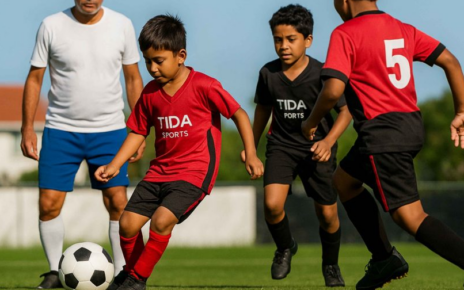
Running a small sports team is about much more than training sessions and match days. Whether it is a local football club, a youth basketball team, or a semi-professional esports squad, managing costs effectively is critical for long-term survival and growth.
Before setting a budget, many team owners and managers benefit from understanding how to create a sports budget for amateur athletes, as it provides a clear foundation for planning expenses and avoiding financial stress. This article breaks down the real costs involved in operating a small sports team and explains how smart sports management can keep finances under control.
What Defines a Small Sports Team?
A small sports team typically includes:
-
Amateur or semi-professional athletes
-
Limited sponsorship or funding
-
Local or regional competition
-
A small management structure
Examples include:
-
A grassroots football club competing in a regional league
-
A youth academy team supported by parents and local sponsors
-
A semi-professional futsal or volleyball team
Despite their size, these teams face many of the same cost categories as professional organizations.
Why Cost Planning Matters in Sports Management
Poor financial planning is one of the main reasons small sports teams fail. Expenses often increase gradually, while revenue remains unstable.
Effective cost management helps teams:
-
Maintain consistent operations
-
Protect athletes and staff
-
Invest in long-term development
-
Avoid debt or sudden shutdowns
Sound budgeting is a core skill in modern sports management.
Major Cost Categories for a Small Sports Team
1. Coaching and Staff Costs
Coaches
Coaching is usually the largest expense after facilities. Costs depend on:
-
Level of experience
-
Number of sessions per week
-
Certifications and qualifications
Youth teams may use part-time or volunteer coaches, while semi-professional teams often pay monthly salaries.
Support Staff
Depending on the sport, additional costs may include:
-
Assistant coaches
-
Team managers
-
Fitness trainers or physiotherapists
Even part-time roles add up over a season.
2. Player-Related Expenses
Registration and League Fees
Most leagues charge:
-
Team registration fees
-
Player licensing costs
-
Referee or officiating fees
These are usually fixed and unavoidable.
Player Welfare
Small teams may cover:
-
Basic medical checkups
-
Recovery equipment
-
Training meals or hydration
Clubs that fail to invest in player welfare often face higher injury-related costs later.
3. Sports Insurance Costs
Insurance is essential, even at grassroots level. Many leagues require proof of coverage before allowing teams to compete.
Key insurance-related expenses include:
-
Injury coverage for players
-
Liability insurance for matches and training
-
Coverage for coaches and volunteers
Choosing the right policy requires understanding how to choose the right sports insurance policy, especially for teams with limited budgets.
4. Training Facilities and Venue Costs
Facility Rental
Costs vary widely depending on:
-
Location
-
Type of surface
-
Frequency of use
Indoor sports and artificial pitches are usually more expensive than outdoor fields.
Match-Day Venues
Some teams pay separate fees for:
-
Home matches
-
Lighting and maintenance
-
Security or event staff
Shared facilities can reduce costs but limit scheduling flexibility.
5. Equipment and Kit Expenses
Equipment costs depend on the sport but often include:
-
Team kits (home and away)
-
Training equipment
-
Protective gear
Replacing worn or damaged equipment is an ongoing expense. Many teams offset costs through sponsorship logos on kits.
6. Travel and Transportation
Travel is a hidden but significant cost, especially in regional leagues.
Common expenses include:
-
Bus or van rentals
-
Fuel costs
-
Accommodation for away tournaments
Poor travel planning can quickly exceed the initial budget.
7. Marketing, Branding, and Media
Even small teams need visibility to attract sponsors and supporters.
Typical costs include:
-
Social media management
-
Website hosting
-
Match posters and promotional materials
Strong branding plays a role in long-term growth, as explained in how branding impacts sports business success.
8. Administrative and Operational Costs
Administrative expenses are often overlooked but necessary:
-
Accounting and bookkeeping
-
Legal or compliance fees
-
Office supplies and software
Digital tools can reduce these costs, but they still require planning.
Balancing Costs and Revenue
Common Revenue Sources for Small Teams
Most small teams rely on:
-
Sponsorships
-
Membership or player fees
-
Ticket sales
-
Merchandise
Understanding revenue streams in professional sports leagues helps small teams adapt similar models at a smaller scale.
Cost-Saving Strategies Without Sacrificing Performance
Smart cost control does not mean cutting quality. Many teams succeed by:
-
Sharing facilities with other clubs
-
Using volunteer staff where possible
-
Negotiating long-term equipment deals
Practical methods are outlined in how sports clubs can reduce expenses without affecting performance, which is especially relevant for grassroots organizations.
Real-World Example: A Small Football Club Budget
A semi-professional local football club might spend annually on:
-
Coaching and staff: 35–40%
-
Facilities and match costs: 25–30%
-
Travel and logistics: 15–20%
-
Insurance and administration: 10–15%
The exact breakdown varies, but staff and facilities usually dominate the budget.
The Role of Sports Managers in Cost Control
Effective sports managers:
-
Track expenses monthly
-
Adjust budgets based on performance and income
-
Plan for unexpected costs such as injuries
Strong leadership and communication help align financial decisions with sporting goals.
Preparing for Unexpected Expenses
Unexpected costs may include:
-
Emergency medical treatment
-
Equipment replacement
-
Venue damage or cancellations
Insurance and contingency funds are essential for financial stability.
Before Finalizing Your Team Budget
Before finalizing annual expenses, it is useful to review sports budget mistakes that athletes should avoid to ensure common financial errors are not repeated at the team level.
Conclusion
Running a small sports team requires careful financial planning, disciplined budgeting, and smart decision-making. From coaching salaries and facility rentals to insurance and travel, costs can quickly grow if not monitored closely.
By understanding each cost category, investing wisely in insurance and player welfare, and exploring sustainable revenue options, small sports teams can operate efficiently and build a stable foundation for future growth. Strong sports management ensures that limited resources are used effectively while keeping athletes safe and competitive.