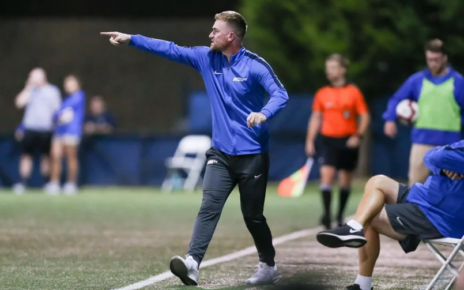
Sports events are a major part of the global sports industry. From local youth tournaments to international championships, well-managed events create value for athletes, fans, sponsors, and communities. However, successful sports event management requires more than passion for the game—it demands careful planning, budgeting, risk management, and professional execution.
Before diving into logistics, it helps to understand the basics of sports management explained, as event planning is one of the core responsibilities of modern sports managers. This step-by-step guide explains how to manage a sports event effectively, using clear processes that work for both small and large-scale competitions.
What Is Sports Event Management?
Sports event management involves planning, organizing, promoting, and delivering sporting events in a safe, efficient, and financially responsible way. It applies to:
-
Youth and amateur tournaments
-
Club-level competitions
-
Professional league matches
-
One-off exhibition or charity events
The goal is to balance sporting quality with financial sustainability and audience experience.
Why Sports Event Management Matters
A well-managed event:
-
Protects athletes, staff, and spectators
-
Builds trust with sponsors and partners
-
Controls costs and reduces financial risk
-
Enhances the reputation of clubs and organizers
Poor management, on the other hand, can lead to injuries, losses, and long-term damage to credibility.
Step 1: Define the Event Purpose and Scope
Every sports event should start with clear objectives.
Key Questions to Answer
-
Is the event competitive, developmental, or promotional?
-
Who is the target audience (youth, amateur, professional)?
-
Is it local, regional, or national?
For example, a youth football tournament focuses on participation and safety, while a semi-professional league match prioritizes ticket sales and sponsorship visibility.
Step 2: Build an Event Management Team
Even small events need clear roles.
Core Roles Include
-
Event director or manager
-
Operations coordinator
-
Finance and budget manager
-
Marketing and communications lead
Strong teamwork and communication are essential to avoid confusion on event day.
Step 3: Create a Realistic Sports Event Budget
Budgeting is one of the most critical steps in sports event management.
Main Budget Categories
-
Venue and facility rental
-
Equipment and technical setup
-
Staffing and officiating
-
Marketing and promotion
-
Insurance and safety measures
Event budgets should always include a contingency fund for unexpected costs. A structured approach similar to how to create a sports budget for amateur athletes can help organizers stay financially disciplined.
Step 4: Secure Venues and Facilities
Choosing the right venue affects both costs and experience.
Venue Considerations
-
Playing surface quality
-
Seating capacity
-
Accessibility and parking
-
Changing rooms and medical areas
Booking early often reduces costs and ensures availability.
Step 5: Manage Sports Insurance and Risk
Risk management is a non-negotiable part of event planning.
Common Insurance Needs
-
Player injury coverage
-
Public liability insurance
-
Staff and volunteer protection
Selecting the correct coverage requires understanding how to choose the right sports insurance policy, especially for events involving youth or contact sports.
Step 6: Coordinate Officials, Staff, and Volunteers
Officials and staff ensure fair play and smooth operations.
Key Personnel
-
Referees and judges
-
Medical staff
-
Security personnel
-
Volunteers for logistics and crowd control
Clear schedules and role descriptions reduce last-minute problems.
Step 7: Plan Logistics and Operations
Operational planning covers everything that happens on event day.
Logistics Checklist
-
Equipment delivery and setup
-
Match schedules and warm-up times
-
Transportation and parking
-
Emergency response plans
Professional operations reflect strong sports management practices.
Step 8: Marketing, Media, and Promotion
Even well-organized events fail without proper promotion.
Effective Promotion Channels
-
Social media platforms
-
Local media and sports news outlets
-
Club and league websites
Strong promotion also increases sponsor value, which aligns with proven sponsorship strategies for sports teams.
Step 9: Sponsorship and Revenue Planning
Events must balance expenses with income.
Common Revenue Sources
-
Sponsorship deals
-
Ticket sales
-
Entry fees
-
Merchandise and concessions
Clear sponsor visibility plans make partnerships more attractive and sustainable.
Step 10: Athlete and Fan Experience Management
The experience of participants and spectators defines event success.
Athlete Experience
-
Safe playing conditions
-
Fair scheduling
-
Access to medical support
Fan Experience
-
Clear signage
-
Comfortable seating
-
Engaging match-day atmosphere
Positive experiences build long-term loyalty.
Step 11: Compliance With Sports Policies and Regulations
Every event must follow:
-
League or federation rules
-
Local safety and health regulations
-
Child protection policies for youth events
Ignoring regulations can result in penalties or event cancellation.
Step 12: Event-Day Execution and Monitoring
On event day, preparation meets reality.
Key Focus Areas
-
Time management
-
Communication between staff
-
Rapid problem-solving
Experienced event managers monitor operations continuously and adapt as needed.
Step 13: Post-Event Evaluation and Reporting
After the event, evaluation is essential.
Post-Event Review Includes
-
Financial performance
-
Attendance and engagement
-
Feedback from athletes, staff, and sponsors
Learning from each event improves future planning and execution.
Common Challenges in Sports Event Management
-
Budget overruns
-
Weather disruptions
-
Last-minute cancellations
-
Staff shortages
Proactive planning and contingency strategies reduce these risks.
Learning From Major Sports Events
Large-scale competitions often influence best practices at all levels. Studying major sports events that changed the industry helps organizers understand how innovation, safety, and commercial strategies evolve over time.
Conclusion
Sports event management is a structured process that combines planning, budgeting, risk management, and communication. By following a step-by-step approach—from defining objectives and building a budget to managing insurance and post-event evaluation—organizers can deliver safe, engaging, and financially sustainable events.
Whether managing a youth tournament or a semi-professional competition, strong sports management principles ensure that events create long-term value for athletes, fans, and the wider sports industry.