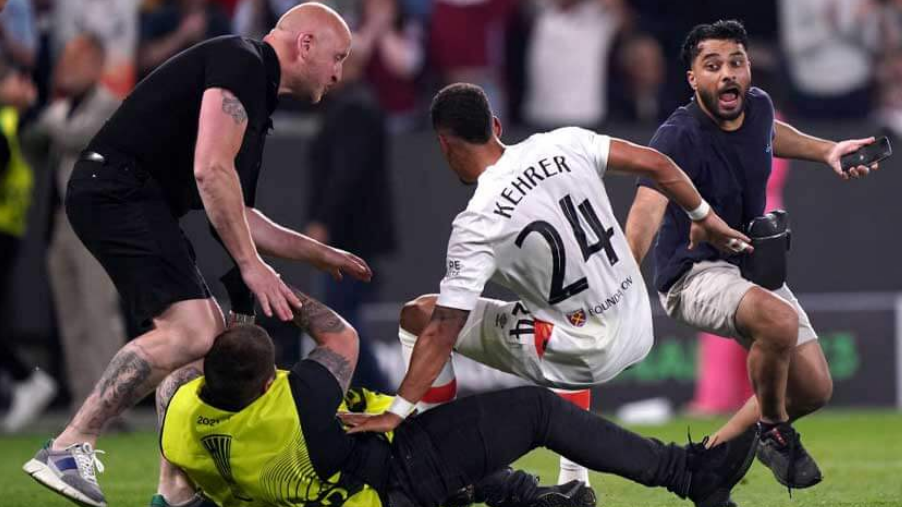
Professional sports organizations operate in a high-pressure environment where financial, reputational, and operational risks are always present. Crises can arise suddenly—from financial mismanagement and legal disputes to player misconduct, safety incidents, or global disruptions. How an organization responds during these moments often determines its long-term survival and credibility.
Effective crisis management is closely connected to risk management strategies for sports investors, as both focus on identifying threats early and limiting financial and reputational damage. This article explains crisis management in professional sports organizations, using clear concepts, real-world examples, and practical strategies that clubs, leagues, and governing bodies can apply.
What Is Crisis Management in Sports?
Definition and Scope
Crisis management in professional sports refers to the structured approach organizations use to:
-
Identify potential crises
-
Respond quickly and effectively
-
Protect athletes, staff, and fans
-
Minimize financial and reputational damage
-
Restore normal operations
Crises in sports can affect multiple areas at once, including budgets, sponsorships, media relations, and insurance coverage.
Why Sports Organizations Are Highly Vulnerable
Sports organizations face unique risks because they operate in the public eye. Decisions are constantly scrutinized by fans, sponsors, media, and regulators. A single incident can escalate rapidly due to social media and global news coverage.
Common Types of Crises in Professional Sports
Financial Crises
Financial crises often involve:
-
Overspending on player wages
-
Breaches of financial regulations
-
Loss of major sponsors or broadcasters
For example, several European football clubs have faced sanctions for failing to comply with financial fair play rules and their industry impact, forcing them to restructure budgets and management practices.
Reputational and Ethical Crises
Reputational crises may include:
-
Doping scandals
-
Match-fixing allegations
-
Governance failures
-
Discrimination or harassment cases
Such incidents can damage fan trust and long-term brand value if not handled transparently.
Operational and Safety Crises
These crises involve:
-
Stadium safety incidents
-
Travel disruptions
-
Event cancellations
-
Natural disasters or health emergencies
The COVID-19 pandemic showed how unprepared many leagues were for large-scale operational shutdowns.
The Role of Leadership in Crisis Situations
Clear Decision-Making Structures
Strong leadership is essential during crises. Organizations with defined leadership roles and crisis-response teams are more likely to respond calmly and consistently.
Key leadership responsibilities include:
-
Fast decision-making
-
Clear internal communication
-
Accountability at executive level
Weak leadership often turns manageable issues into long-term crises.
Governance and Ethical Standards
Strong governance frameworks reduce crisis severity. Following principles outlined in ethics and governance in sports management helps organizations build trust before crises occur and respond credibly when problems arise.
Financial Planning as a Crisis Management Tool
Emergency Funds and Budget Flexibility
Financial preparedness is one of the most effective crisis management strategies. Organizations that maintain emergency reserves are better positioned to survive revenue shocks.
Insights from emergency fund planning for athletes and sports clubs show that contingency funds help cover:
-
Sudden revenue losses
-
Legal costs
-
Insurance deductibles
-
Unexpected operational expenses
Balancing Short-Term Survival and Long-Term Stability
During crises, organizations must avoid short-term decisions that damage long-term sustainability, such as selling key assets too quickly or cutting youth development budgets.
Insurance and Risk Transfer in Crisis Management
Why Insurance Matters During Crises
Insurance plays a critical role in protecting sports organizations against financial shocks. Common coverage includes:
-
Liability insurance
-
Event cancellation insurance
-
Athlete injury protection
-
Travel and staff insurance
Understanding how insurance companies assess sports-related risk helps organizations choose appropriate coverage and avoid gaps that become costly during crises.
Claims Management and Communication
During a crisis, poor handling of insurance claims can worsen financial stress. Clear documentation and early communication with insurers are essential.
Communication Strategies During Sports Crises
Internal Communication
Staff, athletes, and partners must receive accurate information quickly. Poor internal communication leads to confusion, rumors, and loss of morale.
Best practices include:
-
Regular briefings
-
Clear messaging channels
-
Unified leadership voice
External and Media Communication
Public statements should be:
-
Honest but measured
-
Consistent across platforms
-
Focused on solutions, not blame
Understanding how social media shapes sports news coverage is critical, as misinformation can spread faster than official statements.
Technology and Data in Crisis Response
Using Analytics for Early Warning
Modern organizations use data to identify early warning signs of crises. Examples include:
-
Financial performance tracking
-
Fan sentiment analysis
-
Injury and workload monitoring
Insights from the role of analytics in modern sports management show how data supports faster and more informed decisions.
Crisis Simulation and Scenario Planning
Some professional leagues now conduct crisis simulations to prepare executives for real-world emergencies. This proactive approach reduces reaction time and mistakes.
Managing Stakeholder Relationships During Crises
Sponsors and Investors
Sponsors and investors expect transparency during crises. Silence or misleading information can result in long-term partnership losses.
Clear communication reassures stakeholders that risks are being managed responsibly.
Fans and Communities
Fans are emotionally invested in sports organizations. Honest engagement helps maintain loyalty even during difficult periods.
Clubs that protect community trust often recover faster than those that prioritize short-term image control.
Learning from Past Sports Crises
Real-World Lessons
Sports history provides many lessons:
-
Financial collapses due to poor governance
-
Reputation damage from delayed responses
-
Recovery stories driven by transparent leadership
Organizations that conduct post-crisis reviews improve future preparedness.
Building a Crisis-Ready Culture
Crisis management should not be reactive. Training staff, updating policies, and reviewing response plans regularly creates a culture of readiness.
Before the Conclusion: Crisis Management and Strategic Planning
Effective crisis response is part of broader organizational planning. Integrating crisis protocols into strategic planning in sports management explained ensures that financial, operational, and reputational risks are addressed together rather than in isolation.
Conclusion
Crisis management in professional sports organizations is no longer optional—it is a core management responsibility. Financial shocks, reputational challenges, and operational disruptions can affect any club or league, regardless of size or success.
Organizations that invest in strong leadership, ethical governance, financial preparedness, insurance coverage, and clear communication are better equipped to navigate crises and recover with their reputation intact. By planning ahead and learning from past experiences, professional sports organizations can turn crises into opportunities for long-term improvement and resilience.