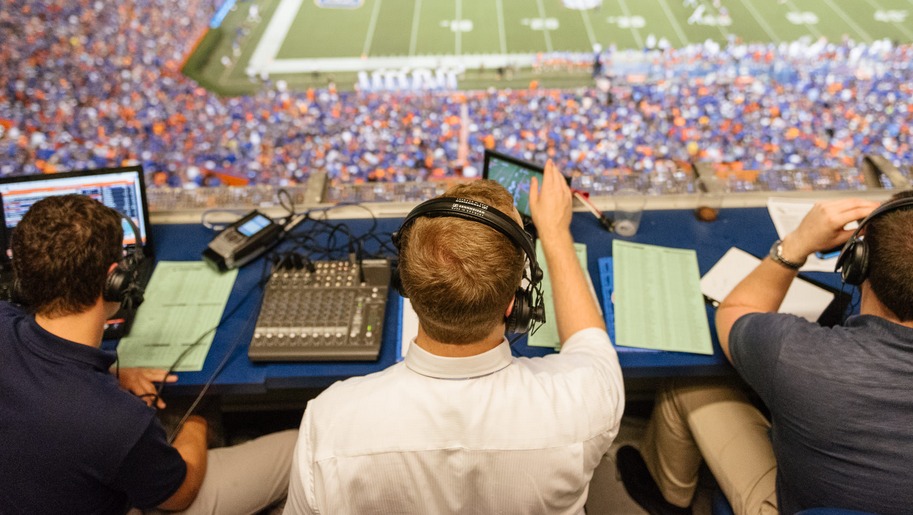
Sports news coverage has changed dramatically over the past decade. Traditional newspapers and television are no longer the only sources of sports information. Today, platforms such as X (formerly Twitter), Instagram, YouTube, TikTok, and Facebook play a major role in how sports news is created, shared, and consumed. Clubs, athletes, journalists, and fans all participate in this fast-moving digital ecosystem. This shift is closely linked to how broadcasting technology is changing sports viewing, where digital platforms have transformed both media consumption and audience expectations.
This article explains how social media shapes sports news coverage, its impact on sports business and management, and the opportunities and risks it creates for the modern sports industry.
The Evolution of Sports News in the Social Media Era
From Traditional Media to Real-Time Reporting
In the past, sports news followed a fixed schedule. Fans waited for newspapers, radio bulletins, or television highlights. Social media has removed these time barriers.
Today:
-
News breaks instantly through official club accounts or journalists
-
Live updates reach global audiences within seconds
-
Fans expect constant access to information
This real-time environment has redefined the speed and style of sports journalism.
The Role of Athletes and Clubs as News Sources
Athletes and clubs now communicate directly with fans. Contract announcements, injury updates, and personal statements are often shared first on social media.
Examples include:
-
Football clubs announcing transfers on Instagram
-
NBA players addressing rumors directly on X
-
Athletes using YouTube to share behind-the-scenes content
This reduces reliance on traditional media while increasing content control.
How Social Media Influences Sports News Content
Short-Form and Visual Storytelling
Social platforms favor short, visual, and engaging content. As a result, sports news has become:
-
More video-focused
-
Easier to share
-
Designed for mobile consumption
Highlights, clips, and graphics now reach larger audiences than long written reports. This format shift has changed how stories are prioritized and presented.
Emotional and Personality-Driven Coverage
Social media rewards emotion and personality. Stories about player reactions, personal journeys, and fan moments often receive more attention than tactical analysis.
While this increases engagement, it also creates challenges for balanced and in-depth reporting.
Impact on Sports Journalism and Media Organizations
Increased Competition and Pressure
Journalists compete not only with each other but also with:
-
Club media teams
-
Influencers and content creators
-
Fans sharing firsthand content
Speed has become critical, sometimes increasing the risk of misinformation. Media organizations must balance accuracy with the demand for instant updates.
New Revenue Models for Sports Media
Social media has created new income opportunities through:
-
Sponsored posts
-
Video monetization
-
Partnerships with platforms
These changes influence sports media budgets and long-term business planning.
Fan Engagement and Community Building
Two-Way Communication With Fans
Unlike traditional media, social media allows direct interaction. Fans can comment, share opinions, and influence discussions around sports news.
This interaction supports fan engagement strategies that drive sports revenue, as engaged audiences are more likely to:
-
Attend matches
-
Buy merchandise
-
Subscribe to digital content
Global Reach and Diverse Audiences
Social media removes geographical barriers. A club based in Europe can reach fans in Asia, Africa, and the Americas instantly. This global exposure increases brand value and commercial potential.
Social Media’s Role in Sports Business and Branding
Building and Protecting Sports Brands
Sports news shared on social platforms shapes public perception. Positive stories strengthen brand reputation, while negative narratives can damage trust.
Effective social media management supports building a strong sports brand in a competitive market, where consistency, transparency, and tone are essential.
Clubs and leagues now invest in:
-
Dedicated content teams
-
Crisis communication planning
-
Brand guidelines for digital platforms
Sponsorship and Commercial Visibility
Sponsors value social media exposure as much as traditional advertising. News coverage that includes branded content or sponsor mentions increases commercial returns.
This has made social media a key asset in sports business strategies.
Social Media and the Growth of Underrepresented Sports
Increased Visibility for Women’s Sports
Social media has played a major role in expanding coverage of women’s leagues and athletes. Platforms allow direct storytelling without relying on limited traditional media coverage.
This supports the rise of women’s leagues in global sports news, helping attract sponsors, investors, and new fans.
Opportunities for Emerging Sports and Athletes
Smaller leagues, youth competitions, and niche sports can now gain attention through viral content and community-driven sharing. This levels the playing field in sports media exposure.
Challenges and Risks in Social Media Sports Coverage
Misinformation and Rumors
The speed of social media increases the spread of unverified news. Transfer rumors, injury speculation, and false reports can mislead fans and create unnecessary pressure on athletes and clubs.
Sports organizations must actively monitor and respond to inaccurate information.
Mental Health and Player Welfare
Constant scrutiny and online criticism can affect athletes’ mental health. Negative comments and viral controversies add pressure beyond on-field performance.
Responsible reporting and moderation are essential to protect player well-being.
Data, Analytics, and Social Media Strategy
Measuring Engagement and Impact
Sports organizations use analytics to measure:
-
Reach and impressions
-
Engagement rates
-
Audience demographics
These insights help refine content strategies and improve communication efficiency. This approach reflects broader trends in how data analytics is transforming sports business decisions, where evidence-based planning supports smarter investments.
Supporting Budget and Resource Allocation
Data-driven social media strategies help clubs decide where to invest marketing resources and how to maximize return on digital spending.
Role of Sports Managers and Media Teams
Coordinating Communication and Strategy
Sports managers work closely with media and communication teams to ensure that social media activity aligns with:
-
Club values
-
Commercial goals
-
Competitive priorities
This coordination reduces risk and improves message consistency.
Crisis Management and Reputation Control
During controversies or emergencies, social media becomes the primary communication channel. Clear and timely messaging helps protect organizational reputation and maintain public trust.
Social Media’s Influence on the Sports News Economy
Social platforms have changed how value is created in sports news. Attention, engagement, and digital reach now directly influence:
-
Sponsorship pricing
-
Media rights negotiations
-
Investor confidence
These dynamics connect sports media trends to broader financial and economic conditions within the industry.
Before concluding, it is important to recognize that social media-driven coverage also reflects wider pressures discussed in sports industry responses to global economic challenges, where digital efficiency and audience reach are critical for sustainability.
Conclusion
Social media has become a central force in shaping sports news coverage. It has accelerated reporting, increased fan participation, and transformed how stories are told and monetized. While it creates challenges around accuracy and player welfare, it also offers powerful tools for engagement, branding, and global growth.
For sports organizations, journalists, and managers, understanding how social media influences sports news is essential. Those who use it strategically and responsibly will be better positioned to succeed in an increasingly digital sports industry.