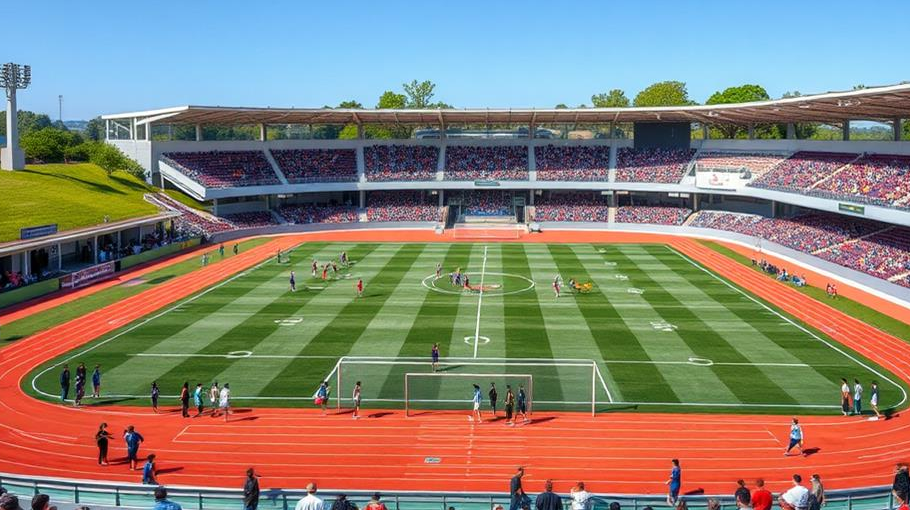
Sports infrastructure plays a critical role in the growth of the global sports industry. From modern stadiums and training academies to community sports complexes and high-performance centers, infrastructure investment shapes how sports are played, managed, and commercialized. Well-planned facilities improve athlete performance, attract fans, support media coverage, and generate long-term economic value.
In recent years, governments, private investors, and sports organizations have increased spending on sports infrastructure to meet rising demand, improve safety standards, and enhance fan experiences. These developments are closely linked to broader industry changes, including Sports Media Platforms as an Investment Opportunity, where modern venues are designed to support broadcasting, digital content, and global viewership.
This article examines sports infrastructure developments around the world, highlighting key trends, regional approaches, funding models, and long-term impacts on sports business and management.
What Is Sports Infrastructure?
Definition and Scope
Sports infrastructure refers to the physical facilities that support sporting activities, such as:
-
Stadiums and arenas
-
Training and high-performance centers
-
Youth academies and grassroots facilities
-
Sports science and medical centers
-
Fan zones and mixed-use sports complexes
These facilities serve athletes, clubs, leagues, fans, broadcasters, and sponsors, making them a core asset in sports business planning.
Why Infrastructure Matters in Sports
Strong infrastructure supports:
-
Athlete safety and development
-
Revenue generation through events and media
-
Fan engagement and attendance
-
Long-term sustainability of sports organizations
Without modern infrastructure, even popular sports struggle to grow at a professional level.
Global Trends in Sports Infrastructure Development
Shift Toward Multi-Purpose Venues
Modern sports venues are no longer used only for matches. Many new stadiums host:
-
Concerts and entertainment events
-
Conferences and exhibitions
-
Community programs and retail spaces
This approach improves financial sustainability and aligns with Building a Sustainable Sports Budget for Long-Term Growth, where facilities are designed to generate year-round revenue.
Technology-Integrated Facilities
Sports infrastructure now includes advanced technology such as:
-
High-speed connectivity for media and fans
-
Smart ticketing and access control
-
Data analytics systems for performance tracking
These features support both sports management and broadcasting needs.
Regional Overview of Sports Infrastructure Developments
Europe: Renovation and Sustainability Focus
European countries focus heavily on upgrading existing stadiums rather than building entirely new ones. Examples include:
-
Renovation of football stadiums in England, Germany, and Spain
-
Integration of energy-efficient systems
-
Improved accessibility and fan safety
Financial regulations, such as those discussed in Financial Fair Play Rules and Their Industry Impact, influence how clubs finance these projects.
North America: Large-Scale and Commercial Projects
In the United States and Canada, sports infrastructure projects are often large-scale and commercially driven. Key characteristics include:
-
Public-private partnerships
-
Luxury seating and premium fan experiences
-
Strong integration with entertainment districts
NFL and NBA franchises frequently develop stadiums as part of broader urban redevelopment plans.
Asia: Rapid Growth and New Construction
Asia has seen rapid growth in sports infrastructure, especially in countries like China, Japan, Qatar, and Saudi Arabia. Developments include:
-
New stadiums for international events
-
National training centers for elite athletes
-
Investments linked to global sports ambitions
These projects often align with government-led sports investment strategies.
Africa and Latin America: Emerging Opportunities
Many countries in Africa and Latin America focus on:
-
Community sports facilities
-
Youth development academies
-
Renovation of existing venues
These investments support long-term talent development and connect closely with Why Youth Development Programs Attract Long-Term Investors.
Sports Infrastructure and Investment Models
Public Funding and Government Support
Governments often fund sports infrastructure to:
-
Promote national sports programs
-
Host international tournaments
-
Stimulate local economic activity
While public funding reduces financial risk, it requires strong governance and accountability.
Private Investment and Club Ownership
Private investors and club owners increasingly finance infrastructure projects. This approach is common in professional leagues and is linked to Sports Franchise Ownership: Costs, Profits, and Risks, where infrastructure ownership adds long-term asset value.
Public-Private Partnerships (PPPs)
PPPs combine government support with private sector efficiency. Benefits include:
-
Shared financial risk
-
Faster project delivery
-
Improved operational expertise
This model is widely used for stadium and arena development.
Economic and Business Impact of Sports Infrastructure
Boosting Local and National Economies
Sports infrastructure projects create:
-
Construction and operational jobs
-
Increased tourism and hospitality demand
-
Long-term urban development
These effects are closely related to the Economic Impact of Hosting Major Sports Events, where infrastructure readiness determines event success.
Supporting Sports Media and Sponsorship
Modern facilities are designed to meet broadcasting requirements, including camera placement, lighting, and digital connectivity. This directly supports sponsorship visibility and media revenue growth.
Role of Sustainability and Green Design
Eco-Friendly Stadiums and Facilities
Sustainability has become a priority in sports infrastructure development. Green features include:
-
Solar energy systems
-
Water recycling and waste management
-
Low-emission construction materials
These initiatives align with Green Stadium Projects and Sports Investment Potential, where environmentally responsible venues attract investors and sponsors.
Long-Term Cost Savings
Sustainable infrastructure reduces operational costs over time, supporting better budget control and financial planning for clubs and organizations.
Challenges in Sports Infrastructure Development
High Costs and Budget Overruns
Sports infrastructure projects are capital-intensive and vulnerable to:
-
Rising construction costs
-
Inflation and supply chain issues
-
Delays in project delivery
These challenges require careful planning and forecasting.
Governance and Transparency Issues
Poor governance can lead to misuse of funds or underperforming facilities. Strong oversight, as emphasized in Ethics and Governance in Sports Management, is essential for protecting public and private investment.
Sports Infrastructure and Athlete Development
Training and High-Performance Centers
World-class infrastructure improves athlete preparation through:
-
Sports science laboratories
-
Injury prevention facilities
-
Specialized coaching environments
This directly affects athlete performance and career longevity.
Youth and Grassroots Facilities
Investment in grassroots infrastructure ensures long-term talent pipelines and supports inclusive sports participation.
Before the Conclusion: Strategic Planning for Infrastructure Projects
Successful sports infrastructure development depends on long-term vision, financial discipline, and alignment with organizational goals. Applying principles from Strategic Planning in Sports Management Explained helps decision-makers balance cost, performance, sustainability, and community impact.
Conclusion
Sports infrastructure developments around the world are reshaping the global sports industry. From technologically advanced stadiums in developed markets to emerging training facilities in developing regions, infrastructure investment plays a vital role in sports performance, business growth, and fan engagement.
While these projects offer strong economic and social benefits, they also require careful planning, responsible governance, and sustainable funding models. When aligned with broader sports management and investment strategies, modern sports infrastructure becomes more than a physical asset—it becomes a foundation for long-term industry success.
As global sports continue to expand, infrastructure development will remain a key driver of competitiveness, innovation, and value creation across all levels of sport.