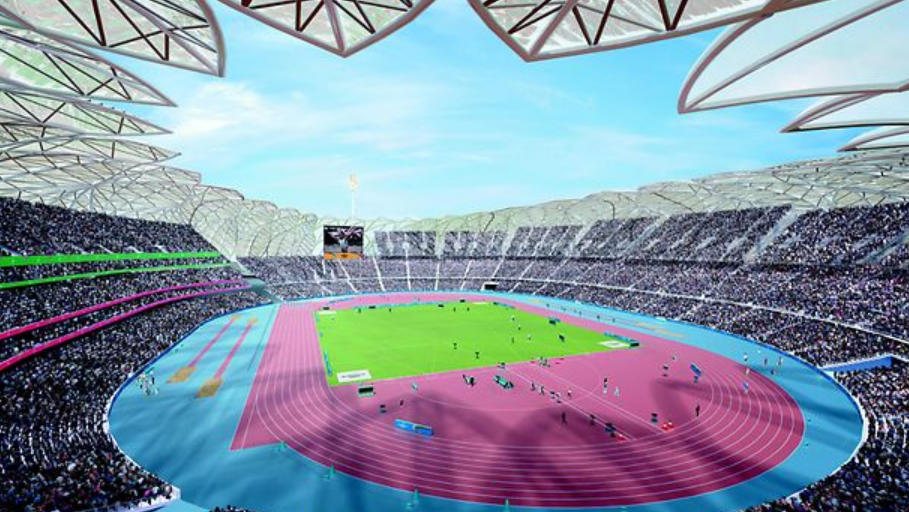
Major sports events such as the Olympics, FIFA World Cup, and international tennis or basketball tournaments are more than just spectacles—they are economic engines. Hosting these events can generate significant revenue for cities, attract investment, boost tourism, and create long-term infrastructure improvements. At the same time, they require careful planning, budgeting, and risk management.
Understanding the economic impact of hosting major sports events is crucial for governments, sports clubs, investors, and organizers. It involves analyzing direct and indirect benefits, long-term legacy effects, and potential financial risks. Integrating Strategic Planning in Sports Management Explained into event planning ensures that costs are controlled while maximizing economic outcomes.
Direct Economic Benefits
Hosting a major sports event brings immediate financial benefits, often reflected in spending and revenue generated during the event.
1. Ticket Sales and Event Revenue
-
Ticket sales directly increase income for clubs, venues, and event organizers.
-
Premium experiences, hospitality packages, and VIP access add additional revenue streams.
2. Tourism Boost
-
Hotels, restaurants, transportation, and local attractions benefit from an influx of visitors.
-
Example: The 2018 FIFA World Cup in Russia reportedly generated over $14 billion in tourist spending.
3. Sponsorship and Media Rights
-
Event sponsorships attract global brands, increasing financial inflows.
-
Media broadcasting deals for global coverage contribute significantly to revenue.
-
Clubs and leagues can use this data to optimize How Sports Clubs Make Money: Business Models Explained.
4. Merchandise and Concessions
-
Event-related merchandise sales contribute both directly to the host and indirectly to local retailers.
-
Iconic tournaments often create collectible items with high resale value.
Indirect Economic Impacts
Beyond immediate financial gains, major sports events have ripple effects across the economy.
1. Job Creation
-
Temporary jobs in hospitality, security, and logistics.
-
Long-term positions related to sports infrastructure and facility management.
2. Infrastructure Development
-
Construction of stadiums, training centers, and transport systems benefits the broader community.
-
Cities hosting events like the Olympics invest in sustainable urban projects that continue to generate value.
3. Local Business Growth
-
Small and medium enterprises experience increased demand.
-
Restaurants, retail shops, and entertainment venues often see long-term growth.
4. Branding and City Marketing
-
Hosting a global event elevates a city’s international profile.
-
Long-term tourism benefits are often seen as “legacy value,” similar to strategies used in Building a Strong Sports Brand in a Competitive Market.
Costs and Financial Risks
While major sports events bring economic benefits, they also come with substantial costs and risks.
1. Infrastructure and Operational Costs
-
Building or renovating venues can exceed initial budgets.
-
Security, staffing, and logistics are often underestimated.
2. Insurance and Liability
-
Events carry risk of injury, property damage, or cancellations.
-
Proper coverage through Types of Sports Insurance Explained Simply is essential to mitigate financial exposure.
3. Uncertain Return on Investment
-
Not all host cities experience economic gains proportional to costs.
-
Example: Some Olympic host cities have faced post-event debt due to low tourism and unused infrastructure.
Long-Term Legacy Effects
A well-managed event can have lasting positive effects.
1. Urban Development
-
New stadiums, transit systems, and parks provide community benefits.
-
Sports academies and training centers can continue to nurture talent post-event, connecting with Budget Planning Guide for Youth Sports Academies.
2. Enhanced Sports Culture
-
Increases local participation in sports, leading to healthier communities.
-
Clubs often leverage events to promote membership and fan engagement.
3. Investment Attraction
-
Successful hosting signals to investors and private equity firms that the city or club is professionally managed, tying into How Private Equity Is Entering the Sports Industry.
Case Studies of Economic Impact
1. FIFA World Cup 2014 – Brazil
-
Generated significant tourism revenue.
-
Infrastructure upgrades benefited cities but also caused controversy over costs and long-term maintenance.
2. 2012 London Olympics
-
Focused on sustainability and community engagement.
-
Legacy sports facilities and urban renewal projects created lasting benefits.
3. Super Bowl in the United States
-
Short-term economic boost to host city through tourism, media, and local spending.
-
Reinforces the importance of planning and logistics management, as highlighted in Sports Event Management Step-by-Step Guide.
Maximizing Economic Benefits
To ensure that hosting major events delivers value, organizers and clubs should:
-
Conduct thorough financial forecasting, similar to methods in How Clubs Can Forecast Sports Expenses for the Next Season.
-
Integrate strategic planning and stakeholder coordination.
-
Use data analytics to measure performance, ticket sales, and tourism impact.
-
Develop risk management strategies and secure appropriate insurance coverage.
Clubs and cities that plan meticulously often achieve a balance between immediate revenue and long-term legacy.
Conclusion
The economic impact of hosting major sports events is multifaceted, affecting local businesses, tourism, infrastructure, and club finances. When strategically planned, these events can generate significant revenue, strengthen city and club brands, and leave lasting community benefits.
However, costs and risks are substantial, emphasizing the need for comprehensive budgeting, insurance planning, and performance tracking. By combining strategic sports management, data analytics, and proactive risk management, cities and clubs can ensure that major sports events are both financially rewarding and sustainable for the long term.
Hosting global sports events is not just about celebration—it is a sophisticated economic and management opportunity that, when done correctly, benefits athletes, fans, investors, and communities alike.