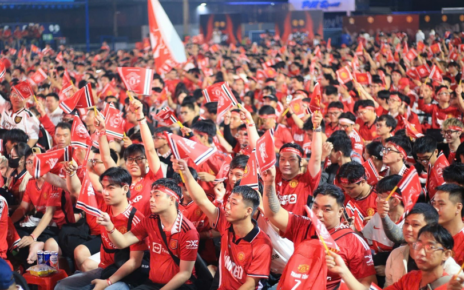
Building a strong sports brand is no longer limited to winning matches or signing star players. In today’s competitive sports market, a brand represents trust, identity, financial stability, and long-term vision. Fans, sponsors, investors, and athletes all evaluate sports organizations based on how professionally they are managed and how clearly they communicate their values.
Sports brands now compete not only on the field but also in media presence, commercial partnerships, community engagement, and financial discipline. Strong branding supports revenue growth, reduces financial risk, and improves long-term sustainability.
Successful branding is closely linked to structured planning and governance, as highlighted in Strategic Planning in Sports Management Explained, where clear objectives and consistency form the foundation of any credible sports organization.
This article explores how clubs, leagues, and sports organizations can build a strong sports brand in a crowded and competitive market.
What Is a Sports Brand?
A sports brand is the overall perception people have of a club, league, athlete, or sports organization. It goes beyond logos and colors.
Key elements of a sports brand
-
Team identity and values
-
On-field performance and professionalism
-
Fan experience and community connection
-
Financial stability and transparency
-
Media and digital presence
For example, clubs like FC Barcelona and Manchester United are global brands because they consistently align performance, history, values, and business operations.
Why Sports Branding Matters More Than Ever
Modern sports operate in a highly competitive business environment. Fans have more entertainment choices, sponsors demand measurable value, and investors expect professional management.
Benefits of a strong sports brand
-
Higher sponsorship and commercial revenue
-
Stronger fan loyalty
-
Increased media and broadcast interest
-
Better attraction of talent and partners
-
Long-term financial resilience
A weak or inconsistent brand, on the other hand, can limit revenue potential even if sporting results are strong.
Aligning Brand Identity with Sports Management
Strong brands start with strong management. Leadership decisions directly influence how a brand is perceived.
Management practices that shape branding
-
Clear mission and vision statements
-
Consistent leadership communication
-
Ethical governance and compliance
-
Long-term planning over short-term gains
Sports managers play a critical role in protecting brand reputation during crises, such as financial difficulties or poor sporting performance. This is especially important for clubs competing in lower leagues or emerging markets.
The Role of Sports Budgeting in Brand Strength
Financial discipline is a core branding factor, even if fans do not see it directly.
How budgets affect branding
-
Reliable payment of players and staff
-
Investment in facilities and youth development
-
Ability to withstand poor seasons
-
Professional operations and credibility
Clubs that overspend often face reputational damage when financial problems arise. Responsible budgeting supports sustainable growth and reinforces trust among stakeholders.
Many organizations structure their finances using principles similar to those outlined in How Sports Clubs Make Money: Business Models Explained, ensuring revenue sources align with brand goals.
Revenue Streams and Brand Consistency
Brand strength directly influences how clubs generate income.
Common revenue sources
-
Matchday income
-
Broadcasting rights
-
Sponsorships and partnerships
-
Merchandise and licensing
-
Digital and media content
A clear and consistent brand helps clubs attract higher-quality partners and negotiate better commercial terms. For example, the NBA maintains strict brand guidelines across teams, ensuring league-wide consistency that benefits all franchises.
Understanding diversified income sources is essential for brand sustainability, particularly in competitive leagues.
Sponsorship and Brand Partnerships
Sponsorship is one of the most visible expressions of a sports brand.
What sponsors look for
-
Brand alignment and shared values
-
Audience reach and engagement
-
Professional operations
-
Reputational safety
Successful sponsorships go beyond logos on jerseys. They include digital campaigns, community initiatives, and long-term storytelling.
Many clubs develop structured partnership models based on insights similar to those in Sponsorship Strategies for Sports Teams, ensuring sponsors receive measurable value while preserving brand integrity.
Digital Presence and Fan Engagement
In a competitive market, digital platforms are essential branding tools.
Key digital branding channels
-
Official websites
-
Social media platforms
-
Streaming and video content
-
Mobile apps and fan communities
Clubs like Liverpool FC and Golden State Warriors have invested heavily in digital storytelling, using behind-the-scenes content to strengthen emotional connections with fans worldwide.
Strategic use of online platforms, guided by approaches discussed in Digital Marketing Ideas for Sports Businesses, helps organizations maintain relevance across generations.
Managing Risk and Protecting Brand Reputation
Brand value can be damaged quickly by legal issues, injuries, or operational failures.
Common brand-related risks
-
Player injuries and liability claims
-
Event cancellations
-
Governance failures
-
Data breaches or compliance issues
This is where sports insurance becomes essential. Proper coverage protects not only finances but also brand credibility. Understanding liability insurance for sports organizations helps clubs manage risk while demonstrating professionalism to partners and investors.
Brand Building Through Youth Development and Community Programs
Long-term brand strength often starts at the grassroots level.
Benefits of community-focused branding
-
Strong local fan loyalty
-
Positive public image
-
Talent pipeline development
-
Sponsor appeal
Clubs like Athletic Bilbao, known for their youth policy, have built powerful brand identities by aligning values with development strategies.
Youth academies, school programs, and social initiatives reinforce trust and differentiate brands in crowded markets.
Sports Investment and Brand Value
Brand strength plays a major role in attracting investment.
Why investors value strong brands
-
Stable and predictable revenues
-
Lower reputational risk
-
Global expansion potential
-
Better exit opportunities
As more institutional capital enters sports, investors evaluate brand equity alongside financial performance. Concepts explained in What Is Sports Investment? highlight how brand perception influences valuation and long-term returns.
Strong brands are not built overnight. They are the result of consistent management, disciplined spending, and clear strategic positioning.
Real-World Examples of Strong Sports Branding
Real Madrid
-
Global fan base
-
Consistent commercial strategy
-
Strong on-field and off-field alignment
Formula 1
-
Unified branding across teams
-
Clear commercial vision
-
Strong digital transformation
Indian Premier League (IPL)
-
Entertainment-focused branding
-
Strong sponsor integration
-
Regional identity with global reach
These examples show how branding connects sports performance, business planning, and market positioning.
Preparing for Long-Term Brand Growth
Building a strong sports brand requires patience and structure.
Best practices
-
Define clear brand values
-
Align management, budget, and marketing
-
Protect reputation through risk management
-
Engage fans consistently
-
Review performance regularly
Before finalizing long-term branding plans, organizations often assess market conditions, regulatory environments, and investment trends to ensure alignment with future growth strategies.
Conclusion
Building a strong sports brand in a competitive market is a strategic process that goes far beyond logos and match results. It involves disciplined sports management, responsible budgeting, smart sponsorships, digital engagement, risk protection, and long-term investment thinking.
Sports organizations that align brand identity with professional operations are better equipped to attract fans, sponsors, and investors while remaining resilient during challenging periods. In an industry where competition is constant, a strong and trusted sports brand is one of the most valuable assets an organization can own.