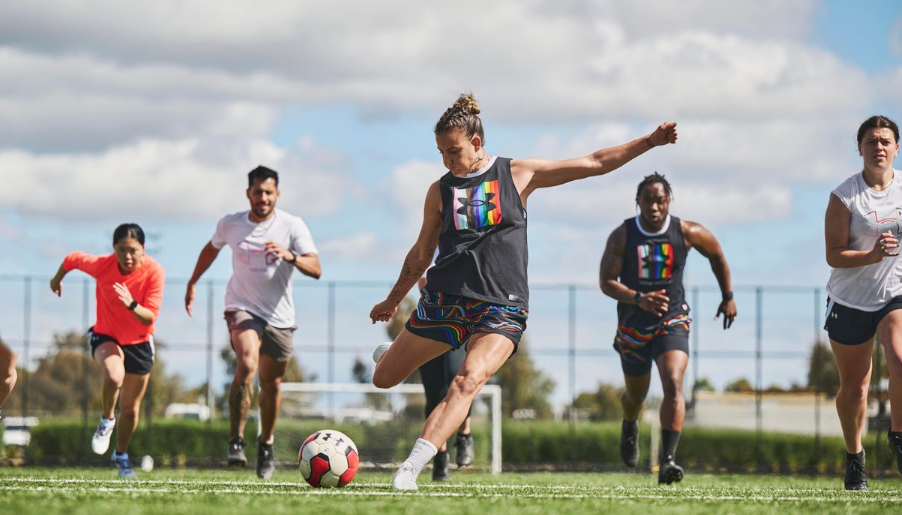
Professional sports have become truly global. Football clubs sign players from multiple continents, basketball leagues recruit international talent, and Olympic teams bring together athletes from diverse cultural backgrounds. As a result, managing multicultural teams in professional sports has become a core responsibility for modern sports managers.
Multicultural teams offer competitive advantages, including diverse playing styles, global fan appeal, and broader commercial opportunities. However, they also present management challenges related to communication, leadership, team cohesion, and operational planning.
Understanding the foundations of effective leadership is essential, especially for those learning the Basics of Sports Management Explained, where managing people with different backgrounds is a key professional skill.
This article explains how multicultural teams operate in professional sports and how managers can turn cultural diversity into a strategic advantage.
What Is a Multicultural Team in Professional Sports?
A multicultural sports team includes athletes, coaches, and staff from different national, cultural, linguistic, or ethnic backgrounds. This is common in:
-
European football leagues
-
North American professional leagues
-
International club competitions
-
Olympic and national training programs
For example, clubs like Paris Saint-Germain, Manchester City, and Real Madrid regularly field squads with players from more than ten countries.
Why Multicultural Teams Are Now the Industry Standard
Globalization has reshaped professional sports at every level.
Key reasons multicultural teams dominate modern sports
-
Global scouting networks
-
International player development systems
-
Cross-border broadcasting and sponsorship deals
-
Competitive pressure to recruit the best talent regardless of nationality
From a business perspective, multicultural squads also expand global brand reach and attract international sponsors and investors.
Benefits of Managing Multicultural Sports Teams
When managed effectively, diversity strengthens both performance and business outcomes.
Performance benefits
-
Exposure to different tactical styles
-
Greater adaptability during competition
-
Broader problem-solving approaches
Business and commercial benefits
-
International fan engagement
-
Expanded sponsorship opportunities
-
Stronger global media presence
The NBA, for example, has benefited from international stars like Giannis Antetokounmpo and Luka Dončić, helping the league grow its global audience.
Key Challenges in Multicultural Sports Management
Despite the advantages, managing multicultural teams requires careful planning.
Common challenges
-
Language barriers
-
Cultural misunderstandings
-
Different leadership expectations
-
Varied approaches to discipline and training
-
Social integration outside competition
Without proper management, these issues can affect performance, morale, and even financial stability.
The Role of Strategic Planning in Multicultural Teams
Strong leadership and long-term planning are critical when managing diverse squads.
Why planning matters
-
Sets clear behavioral and performance standards
-
Aligns cultural diversity with team goals
-
Reduces conflict and uncertainty
-
Improves accountability
Professional clubs often rely on frameworks similar to those outlined in Strategic Planning in Sports Management Explained to integrate players smoothly and maintain consistency across seasons.
Strategic planning ensures that diversity supports, rather than disrupts, organizational objectives.
Communication as the Foundation of Team Unity
Clear communication is essential in multicultural environments.
Best communication practices
-
Use simple and consistent language
-
Provide multilingual support where needed
-
Encourage open dialogue and feedback
-
Use visual and video-based instructions
Clubs like Bayern Munich invest in language training for players to improve understanding on and off the field.
Leadership Styles That Work in Multicultural Teams
Different cultures respond to leadership in different ways. Successful sports managers adapt rather than impose a single style.
Effective leadership approaches
-
Inclusive decision-making
-
Cultural sensitivity training
-
Clear authority combined with empathy
-
Consistent rules applied fairly
Coaches such as Pep Guardiola are often praised for creating inclusive environments that respect cultural differences while maintaining discipline.
Using Data and Technology to Support Team Integration
Modern sports organizations increasingly rely on data to reduce bias and improve decision-making.
How data helps multicultural management
-
Objective performance evaluation
-
Injury prevention across different training backgrounds
-
Monitoring workload and recovery
-
Supporting transparent selection decisions
Insights from How Data Analytics Is Transforming Sports Business Decisions show how data-driven management builds trust and fairness within diverse squads.
Objective systems reduce misunderstandings and support merit-based decisions.
Financial Planning and Budget Considerations
Managing multicultural teams also affects budgeting and operational costs.
Common budget areas
-
International scouting and transfers
-
Relocation and housing support
-
Language and cultural training programs
-
Travel and family integration support
Poor planning can increase costs and strain club finances. Clubs must forecast expenses accurately and align budgets with squad composition and long-term goals.
Risk Management and Insurance in Diverse Teams
Professional sports involve legal, medical, and operational risks that increase with international personnel.
Why insurance matters
-
Cross-border contracts
-
Injury liability
-
Travel-related risks
-
Employment compliance
Understanding liability insurance for sports organizations helps clubs protect both athletes and their brand reputation while operating internationally.
Insurance planning is a key component of responsible sports management.
Cultural Inclusion Beyond the Playing Field
True multicultural management extends beyond training and competition.
Off-field inclusion strategies
-
Cultural awareness workshops
-
Community engagement activities
-
Support for families of international players
-
Respect for cultural and religious practices
Clubs that invest in off-field inclusion often see stronger team cohesion and improved long-term retention.
Impact on Brand Value and Fan Trust
Multicultural teams influence how fans and sponsors view a sports organization.
Brand-related benefits
-
Inclusive and global image
-
Appeal to diverse fan bases
-
Increased international media coverage
Organizations that manage diversity well strengthen their public image and long-term commercial appeal. This aligns closely with principles discussed in Building a Strong Sports Brand in a Competitive Market, where professionalism and inclusivity enhance brand trust.
Multicultural Teams and Sports Investment
Investors increasingly evaluate governance and people management.
Why investors care
-
Reduced operational risk
-
Stable organizational culture
-
Global growth potential
Well-managed multicultural teams signal professionalism and long-term sustainability, making clubs more attractive to institutional and private investors.
Best Practices for Managing Multicultural Teams
Key recommendations
-
Establish clear team values
-
Invest in leadership training
-
Use data-driven evaluation
-
Plan budgets realistically
-
Protect players through insurance
-
Promote inclusion on and off the field
These practices help clubs balance performance goals with financial responsibility.
Conclusion
Managing multicultural teams in professional sports is no longer optional—it is a defining feature of the modern sports industry. Cultural diversity, when supported by strong leadership, clear communication, disciplined budgeting, and effective risk management, becomes a powerful competitive advantage.
Sports organizations that invest in inclusive management practices not only improve performance but also strengthen their business model, brand reputation, and long-term sustainability. In a global sports economy, the ability to manage multicultural teams effectively is a core skill for modern sports managers.