Strong leadership and clear communication are at the heart of every successful sports team. Whether it is a professional football club, a youth academy, or a national team, results on the field are closely linked to how well leaders guide players, staff, and stakeholders.
In today’s competitive sports environment, leadership is no longer limited to tactical decisions. It involves managing personalities, aligning goals, handling pressure, and communicating effectively across different levels of the organization. These principles are part of the broader framework explained in Basics of Sports Management Explained, where leadership and communication play a central role in team stability and performance.
This article provides practical sports team leadership and communication tips, supported by real-world examples and best practices used across the global sports industry.
Why Leadership and Communication Matter in Sports Teams
Performance Depends on Clarity
Athletes perform best when expectations are clear. Confusion about roles, tactics, or responsibilities often leads to poor execution and frustration.
Trust Builds Winning Cultures
Open communication creates trust between coaches, players, and management. Teams with high trust levels tend to remain stable even during losing streaks.
Modern Sports Are Complex Organizations
Sports teams now operate as businesses. Leaders must communicate with:
-
Players and coaches
-
Medical and performance staff
-
Sponsors and media
-
Club executives and owners
This complexity makes leadership skills more important than ever.
Key Leadership Qualities in Successful Sports Teams
Vision and Direction
Effective leaders clearly define:
-
Team identity and values
-
Short-term and long-term goals
-
Performance standards
For example, Pep Guardiola’s leadership at Manchester City is built around a clear football philosophy and consistent communication. Every player understands their role within the system.
Emotional Intelligence
Leaders must understand player emotions, motivations, and mental well-being. This is especially important in high-pressure environments like elite football or professional basketball.
Emotional intelligence helps leaders:
-
Resolve conflicts early
-
Motivate players during difficult periods
-
Communicate criticism constructively
These principles are also highlighted in Managing Professional Athletes: Best Practices, where leadership goes beyond tactics.
Effective Communication Tips for Sports Leaders
1. Be Clear, Simple, and Consistent
Sports communication should avoid unnecessary complexity.
Best practices include:
-
Using simple language
-
Repeating key messages consistently
-
Aligning words with actions
When communication is inconsistent, players may lose confidence in leadership.
2. Adapt Communication Styles
Not all athletes respond to the same approach. Some prefer direct feedback, while others need encouragement and reassurance.
Elite coaches adjust their communication based on:
-
Player age and experience
-
Cultural background
-
Personality and learning style
This adaptability improves understanding and engagement.
3. Encourage Two-Way Communication
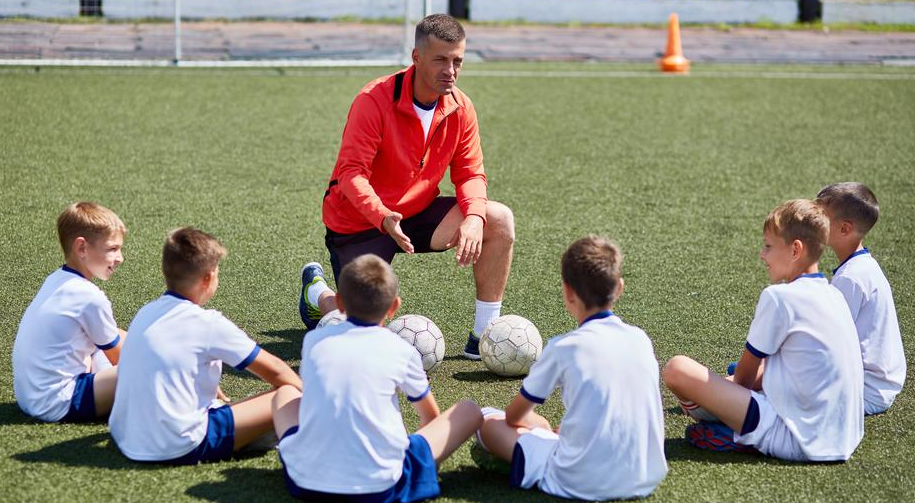
Great leaders listen as much as they speak. Creating safe spaces for players to share concerns improves team cohesion.
Tools for two-way communication include:
-
Regular team meetings
-
One-on-one discussions
-
Leadership groups within the squad
Leadership Structures Inside Sports Teams
Head Coach and Support Staff Alignment
Misalignment between coaches and staff can harm performance. Clear communication channels ensure:
-
Consistent training messages
-
Unified performance goals
-
Efficient decision-making
Strong operational coordination is part of How Sports Managers Handle Team Operations, where leadership structure directly impacts results.
Player Leadership Groups
Many teams appoint captains or leadership councils. These players act as a bridge between the squad and management.
Benefits include:
-
Faster issue resolution
-
Improved team discipline
-
Stronger locker-room culture
Teams like Liverpool FC have successfully used leadership groups to maintain high standards.
Communication During High-Pressure Situations
Handling Losses and Poor Form
Leadership is tested most during difficult periods. Effective communication after losses should:
-
Focus on learning, not blame
-
Reinforce long-term goals
-
Maintain confidence
Public criticism of players often damages trust and morale.
Media and Public Communication
Leaders must also manage external communication. Press conferences, interviews, and social media messaging shape public perception.
Poor public communication can create unnecessary pressure, while calm and consistent messaging protects players and staff. This is closely linked to How Sports Business News Impacts Clubs and Players, where communication influences reputation and stability.
Leadership, Budget, and Resource Management
Transparent Financial Communication
Players and staff often perform better when they understand financial realities. Transparency helps manage expectations around:
-
Salaries and bonuses
-
Transfer policies
-
Investment priorities
Clubs that fail to communicate budgets clearly often face internal tension, similar to issues discussed in Sports Budget Mistakes That Athletes Should Avoid.
Balancing Performance and Cost Control
Leaders must communicate cost-saving measures without lowering morale. Explaining the “why” behind decisions builds understanding and support.
Technology and Communication in Modern Sports
Digital tools have transformed how teams communicate.
Common tools include:
-
Performance data platforms
-
Video analysis software
-
Internal communication apps
Technology supports faster feedback and clearer messaging, as explored in Sports Technology Innovations Making Headlines. However, technology should support leadership, not replace personal interaction.
Developing Leadership Skills in Sports Organizations
Continuous Education
Leadership development should be ongoing. Many clubs invest in:
-
Management training
-
Coaching certifications
-
Communication workshops
Structured development ensures leaders adapt to changing environments.
Mentorship and Experience Sharing
Experienced leaders mentoring younger coaches and players strengthens organizational culture. Former athletes often bring valuable insight when supported with proper management training.
Common Leadership and Communication Mistakes to Avoid
Sports leaders should be aware of common pitfalls:
-
Inconsistent messaging
-
Favoritism or unclear selection criteria
-
Ignoring player feedback
-
Poor crisis communication
Avoiding these mistakes protects long-term team stability and performance.
Before the Conclusion: Leadership Beyond the Team
Leadership and communication extend beyond the squad. They influence:
-
Sponsor relationships
-
Fan engagement
-
Commercial growth
Strong leadership improves brand trust and investor confidence, connecting closely with broader sports business strategies such as How Investors Profit from Sports Sponsorships.
Conclusion
Effective sports team leadership and communication are essential for sustained success. Clear vision, emotional intelligence, adaptability, and transparency help teams perform consistently under pressure.
In a modern sports environment shaped by business demands, technology, and global audiences, leadership is no longer optional—it is a strategic asset. Teams that invest in strong leadership and communication systems build trust, resilience, and long-term competitive advantage both on and off the field.