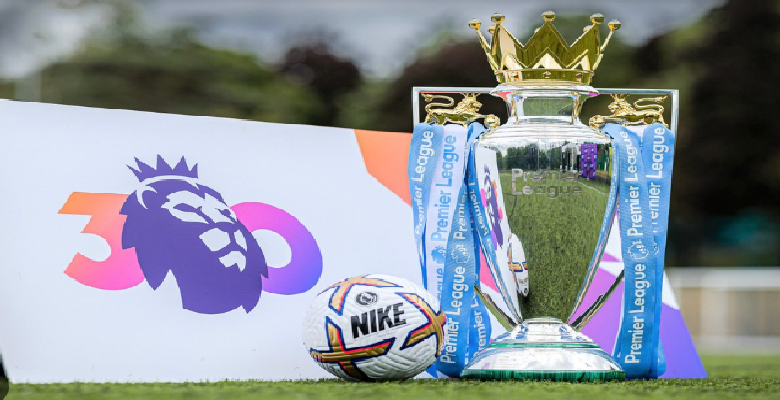
Fan engagement is no longer just about filling stadium seats. In today’s global and digital sports environment, engaged fans directly influence revenue, brand value, sponsorship interest, and long-term financial stability. From grassroots clubs to global leagues like the NBA, Premier League, and Formula 1, sports organizations increasingly rely on fan-focused strategies to grow income and remain competitive.
Economic uncertainty, changing media habits, and rising operational costs have forced sports managers to rethink how they connect with fans. Broadcasting innovation, digital platforms, and personalized experiences now play a central role, as explained in how broadcasting technology is changing sports viewing, which highlights how fan access directly affects revenue models.
This article explores practical fan engagement strategies that drive sports revenue, using real-world examples and clear explanations relevant to sports business, budgeting, investment, and management.
Why Fan Engagement Is a Revenue Driver in Sports
Engaged fans are more likely to:
-
Attend matches and events
-
Buy merchandise and digital content
-
Subscribe to streaming platforms
-
Support sponsors and partners
-
Remain loyal during poor on-field performance
From a business perspective, fan engagement directly supports:
-
Ticket sales and matchday income
-
Sponsorship value and brand exposure
-
Media rights and broadcasting deals
-
Long-term club valuation
Clubs with strong fan relationships often perform better financially, even in challenging economic conditions.
Understanding Modern Sports Fans
From Passive Viewers to Active Participants
Traditional fans watched matches on television and attended games occasionally. Today’s fans expect:
-
Real-time digital interaction
-
Behind-the-scenes access
-
Direct communication with clubs and athletes
Younger audiences, in particular, engage through social media, mobile apps, and streaming platforms rather than traditional TV.
Global Fan Bases
Top clubs like Manchester United, Real Madrid, and the Los Angeles Lakers generate significant revenue from international fans who may never attend a live match. Digital engagement strategies allow clubs to monetize these global audiences.
Digital Engagement Strategies That Increase Revenue
Social Media and Content Marketing
Social media platforms are now major revenue drivers when used strategically. Successful approaches include:
-
Short-form video content
-
Player interviews and training clips
-
Interactive polls and fan challenges
Clubs like FC Barcelona and Golden State Warriors use social platforms not just for promotion, but also for direct merchandise sales and sponsor integration. These practices align closely with digital marketing ideas for sports businesses, where content-driven engagement converts attention into income.
Direct-to-Consumer Platforms
Many leagues and clubs now operate their own apps and streaming services. Examples include:
-
NBA League Pass
-
Formula 1 TV
-
Club-specific membership platforms
These services create recurring revenue while collecting valuable fan data.
Matchday Fan Experience and Revenue Growth
Enhancing the In-Stadium Experience
A positive matchday experience increases:
-
Repeat attendance
-
Food and beverage sales
-
Merchandise purchases
Modern stadiums invest in:
-
High-speed Wi-Fi
-
Mobile ordering
-
Interactive screens and fan zones
Clubs like Tottenham Hotspur have designed stadiums as entertainment destinations, not just sports venues, increasing per-fan spending.
Dynamic Ticketing and Memberships
Flexible pricing models allow clubs to:
-
Adjust ticket prices based on demand
-
Offer bundled experiences
-
Reward loyal fans with exclusive access
These strategies help stabilize revenue even when performance fluctuates.
Merchandising, Licensing, and Fan Identity
Licensing as a Fan Engagement Tool
Merchandise is more than a revenue stream—it strengthens emotional connection. Jerseys, digital collectibles, and co-branded products allow fans to express loyalty.
Strong licensing strategies are explained in licensing and intellectual property in sports business, where clubs protect and monetize their brand assets globally. For example:
-
Nike and Adidas partnerships with football clubs
-
Official merchandise collaborations with fashion brands
Limited Editions and Personalization
Personalized jerseys, limited-edition releases, and event-specific merchandise create urgency and increase average order value.
Data-Driven Fan Engagement
Using Fan Data to Improve Revenue
Data analytics helps sports organizations understand:
-
Fan preferences and spending habits
-
Engagement patterns across platforms
-
Response to promotions and pricing
With this insight, clubs can:
-
Personalize marketing campaigns
-
Improve sponsorship targeting
-
Increase conversion rates
These practices reflect broader trends discussed in how data analytics is transforming sports business decisions, where smarter data use leads to stronger financial outcomes.
Fan Engagement and Sponsorship Value
Why Sponsors Care About Engagement
Sponsors want access to active, loyal audiences. High fan engagement increases:
-
Brand visibility
-
Social media impressions
-
Return on sponsorship investment
For example, Red Bull’s involvement in motorsport goes beyond logos—it includes content creation, fan experiences, and storytelling that deepen engagement.
Integrated Sponsorship Campaigns
Modern sponsorship strategies include:
-
Branded digital content
-
Fan contests and experiences
-
Community outreach programs
This approach increases sponsor retention and supports diversified revenue models similar to those outlined in revenue streams in professional sports leagues.
Community Engagement and Grassroots Revenue Impact
Local Fan Loyalty
Community engagement strengthens long-term support, especially for smaller clubs. Activities include:
-
Youth academies
-
School programs
-
Local charity partnerships
These initiatives may not generate immediate profit, but they build sustainable fan bases and future revenue.
Women’s Sports and Fan Growth
Women’s sports have shown strong fan engagement growth, driven by accessibility and authenticity. Clubs investing in women’s teams often attract new audiences and sponsors, supporting broader industry growth.
Fan Engagement During Economic Challenges
Maintaining Loyalty When Budgets Are Tight
During economic downturns, fans may reduce discretionary spending. Clubs that maintain transparent communication and fair pricing tend to retain support.
Affordable digital content, flexible ticketing, and fan rewards help clubs stay connected during difficult periods, reinforcing resilience strategies discussed in sports industry responses to global economic challenges.
Role of Sports Managers in Fan Engagement
Sports managers play a key role by:
-
Aligning marketing, operations, and finance teams
-
Balancing fan experience with budget constraints
-
Ensuring consistency between brand values and fan communication
Fan engagement decisions should be integrated into overall sports management strategy, not treated as a separate function.
Measuring the Financial Impact of Fan Engagement
Key performance indicators (KPIs) include:
-
Average revenue per fan
-
Engagement rates on digital platforms
-
Merchandise conversion rates
-
Membership renewal rates
Tracking these metrics helps managers justify investment in engagement initiatives and adjust strategies over time.
Future Trends in Fan Engagement and Revenue
Emerging trends include:
-
Augmented and virtual reality experiences
-
AI-driven personalization
-
Digital collectibles and membership tokens
-
Sustainable and socially responsible fan initiatives
While technology evolves, the core principle remains the same: strong relationships drive sustainable revenue.
Conclusion
Fan engagement strategies that drive sports revenue are built on trust, accessibility, and consistent value creation. Through digital platforms, enhanced matchday experiences, smart licensing, data-driven decisions, and community involvement, sports organizations can turn fan loyalty into long-term financial strength.
As competition for attention increases, clubs that invest in meaningful engagement will protect their revenue and brand value. These efforts are most effective when aligned with building a strong sports brand in a competitive market, where fan relationships form the foundation of sustainable sports business success.