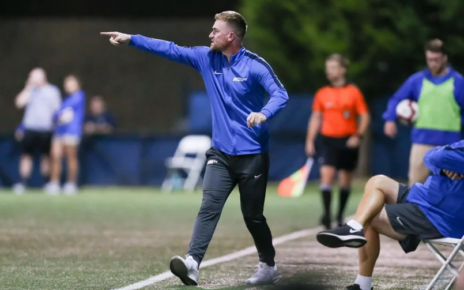
Conflict is a natural part of sports. Where competition, pressure, money, and personal ambition exist, disagreements are unavoidable. Conflicts can arise between players, coaches, management, staff, sponsors, or even governing bodies. If handled poorly, these disputes can damage team performance, increase costs, and harm a club’s reputation. If handled well, they can strengthen trust and improve long-term results.
For sports managers, conflict resolution is not just a “soft skill.” It is a core management responsibility linked to sports budgets, business stability, insurance risk, and athlete development. In modern professional sports—especially when working across cultures and countries—conflict management is closely connected to challenges discussed in managing multicultural teams in professional sports, where communication styles and expectations often differ.
This article explains practical conflict resolution techniques for sports managers, using real-world sports examples and management principles that remain relevant across different levels of sport.
Why Conflict Resolution Matters in Sports Management
Sports environments are high-pressure by nature. Tight schedules, performance targets, injuries, financial constraints, and media scrutiny increase emotional stress. Common sources of conflict include:
-
Player selection and playing time
-
Contract negotiations and salary disputes
-
Coaching styles and training intensity
-
Cultural or personality differences
-
Budget cuts or resource allocation
When conflicts escalate, they can lead to:
-
Poor on-field performance
-
Increased injury risk
-
Legal or insurance claims
-
Sponsor dissatisfaction
-
High staff turnover
Effective conflict resolution protects both human relationships and organizational stability, making it a vital part of professional sports management.
Types of Conflicts Sports Managers Commonly Face
Player-to-Player Conflicts
Competition for positions can create tension within teams. For example, disagreements between star players have affected clubs like Paris Saint-Germain and Manchester United at different times. Left unresolved, these issues can divide the locker room.
Player-to-Coach Conflicts
Conflicts often arise over tactics, workload, or discipline. Famous examples include clashes between elite players and managers in football, basketball, and tennis coaching teams.
Management and Staff Conflicts
Budget decisions, performance evaluations, and role responsibilities can create friction between departments such as coaching, medical staff, and administration.
External Stakeholder Conflicts
Sponsors, event organizers, and governing bodies may have conflicting interests, especially when commercial pressure meets sporting integrity.
Core Conflict Resolution Techniques for Sports Managers
1. Early Identification and Prevention
The best conflict resolution strategy is prevention. Sports managers should monitor team dynamics and identify early warning signs such as:
-
Changes in communication patterns
-
Drop in training engagement
-
Increased complaints or rumors
Regular meetings, performance reviews, and feedback systems help managers address issues before they escalate. Tools similar to performance management systems used by sports teams allow managers to track behavior, workload, and communication alongside performance data.
2. Clear Communication and Active Listening
Many sports conflicts are rooted in misunderstandings rather than real disagreements. Effective managers practice:
-
Active listening without interruption
-
Asking clarifying questions
-
Separating facts from emotions
For example, when a player complains about limited playing time, a manager should clearly explain tactical decisions using performance data instead of personal opinions. This reduces emotional tension and builds trust.
Key communication principles include:
-
Transparency
-
Respectful language
-
Consistent messaging
3. Setting Clear Roles, Rules, and Expectations
Unclear responsibilities often cause conflict. Sports managers should ensure that:
-
Player roles are defined
-
Team rules are documented
-
Disciplinary processes are transparent
Clubs like Bayern Munich and the San Antonio Spurs are known for strong internal structures that reduce conflict by setting expectations early. These practices align closely with strategic planning in sports management explained, where clarity and long-term vision reduce operational friction.
4. Using Mediation and Neutral Facilitation
When conflicts become emotional, managers may need to act as neutral mediators—or involve a third party such as a sports director or psychologist.
Effective mediation involves:
-
Allowing each side to speak without interruption
-
Identifying shared goals (team success, career development)
-
Finding compromise solutions
For example, in professional basketball, player-coach mediation sessions are often used mid-season to realign expectations and avoid public disputes.
5. Data-Based Decision Making
Emotion-driven decisions often escalate conflicts. Sports managers increasingly rely on data to support fair and objective outcomes.
Examples include:
-
Using fitness and workload data to manage training disputes
-
Performance analytics to justify selection decisions
-
Attendance and revenue data to support budget-related choices
This approach reflects modern trends in how data analytics is transforming sports business decisions, where evidence-based management reduces bias and personal conflict.
6. Conflict Resolution and Sports Budget Management
Conflicts can be expensive. Legal disputes, early contract terminations, and staff turnover increase operational costs. Sports managers must understand the financial impact of unresolved conflict.
Budget-related conflicts often involve:
-
Salary negotiations
-
Resource allocation between teams
-
Investment priorities
Clear financial planning, transparency, and regular budget reviews help reduce tension. Linking decisions to financial data supports fairness and long-term sustainability.
7. Managing Conflict Through Professional Policies
Written policies help protect organizations from emotional decision-making. These include:
-
Codes of conduct
-
Disciplinary procedures
-
Complaint and appeal systems
Such frameworks are particularly important when conflicts involve staff safety or legal risk. In serious cases, unresolved disputes can lead to insurance claims, making knowledge of sports insurance for coaches, referees, and staff relevant for sports managers responsible for organizational risk.
Conflict Resolution in High-Pressure Situations
During Major Tournaments
Short tournaments increase stress due to limited recovery time and media attention. Managers must resolve issues quickly and privately to maintain focus.
During Financial Uncertainty
Economic pressure can intensify internal conflicts. Budget cuts, delayed payments, or sponsorship losses often affect morale. Clear communication during such periods helps prevent long-term damage.
In Youth and Development Programs
Conflicts involving parents, young athletes, and coaches require sensitivity. Managers should prioritize athlete welfare and long-term development over short-term results.
Cultural Intelligence and Conflict Resolution
In international sports, cultural differences can easily be misinterpreted as personal conflict. Sports managers working with diverse teams should understand:
-
Different communication styles
-
Cultural attitudes toward authority
-
Varying approaches to feedback
Clubs in leagues such as the English Premier League or NBA employ cultural education programs to help managers and players navigate diversity effectively.
Training Sports Managers for Conflict Resolution
Conflict resolution skills can be developed through:
-
Leadership training programs
-
Sports psychology workshops
-
Real-world mentoring
Modern sports organizations increasingly treat conflict management as a professional competency rather than an instinctive ability.
Link Between Conflict Resolution and Long-Term Success
Teams that manage conflict well tend to show:
-
Higher player retention
-
Better on-field performance
-
Stronger sponsor relationships
-
Lower legal and insurance risk
These benefits directly support sustainable sports business models and organizational growth.
Conclusion
Conflict resolution techniques for sports managers are essential for maintaining performance, protecting budgets, and building strong professional environments. From clear communication and mediation to data-driven decision-making and structured policies, effective conflict management turns challenges into opportunities for growth.
As sports organizations become more complex and global, managers who master these techniques will be better equipped to lead successful teams. These abilities sit alongside core competencies outlined in sports management skills every manager needs, reinforcing the idea that strong leadership is about people, processes, and long-term vision.