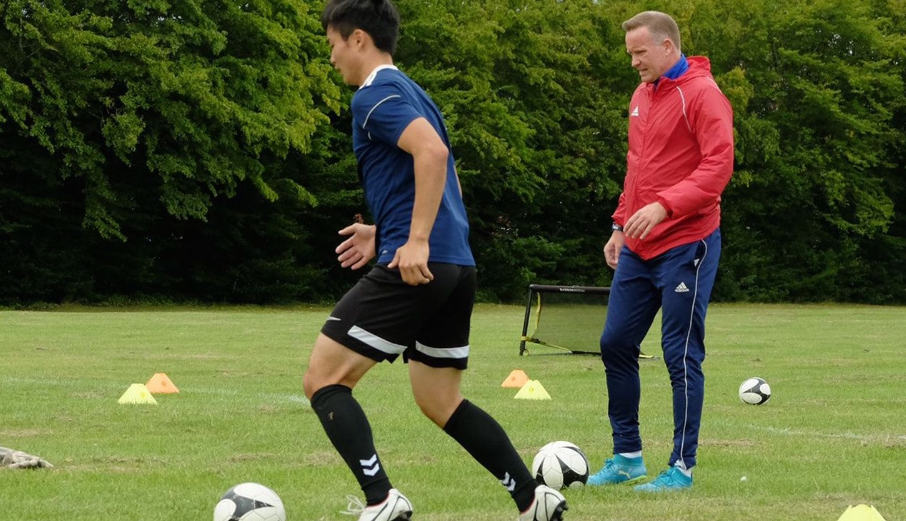
In the fast-paced world of sports, attention often centers on athletes—but coaches, referees, and support staff play equally critical roles. Ensuring their safety and financial protection is crucial, which is where sports insurance for coaches, referees, and staff comes into play. Unlike general health coverage, sports insurance is specifically designed to address the unique risks associated with sports professions. Understanding these policies not only safeguards individuals but also strengthens the overall management of sports organizations. For clubs and leagues looking to optimize their operations, integrating insurance strategies can complement other management tools like Performance Management Systems Used by Sports Teams.
Why Coaches, Referees, and Staff Need Sports Insurance
Sports professionals face various physical, financial, and legal risks beyond what traditional health insurance covers.
1. Physical Risks
-
Coaches often demonstrate drills or participate in training sessions, exposing them to injuries.
-
Referees may sustain injuries while officiating fast-moving games, especially in football, basketball, or rugby.
-
Staff members, including physiotherapists, groundskeepers, and team managers, face hazards from equipment, field conditions, and travel.
2. Financial Protection
-
Injuries can result in lost income due to absence from work.
-
Insurance policies can cover salary continuation, medical expenses, and rehabilitation costs, reducing financial strain on both individuals and organizations.
3. Legal Liability
-
Coaches and referees may face liability claims if their decisions or actions result in injuries to players or spectators.
-
Liability coverage ensures that legal costs are managed efficiently, protecting both the individual and the sports organization.
By addressing these risks proactively, sports organizations can maintain operational stability and avoid unexpected expenses, a principle discussed in Understanding Liability Insurance for Sports Organizations.
Types of Sports Insurance for Non-Athletes
Sports insurance for non-athletes typically falls into several categories:
1. Personal Accident Insurance
Covers injuries sustained during training, matches, or travel. It often includes:
-
Medical expenses
-
Rehabilitation and physiotherapy
-
Disability or permanent injury compensation
2. Professional Liability Insurance
Also known as errors and omissions insurance, it protects against legal claims arising from:
-
Coaching mistakes
-
Officiating decisions
-
Advice given to athletes or teams
3. Travel Insurance
Teams and staff frequently travel for competitions, tournaments, or training camps. Travel insurance can cover:
-
Accidents during transit
-
Lost luggage or equipment
-
Emergency medical evacuation
4. Group Health Insurance
While distinct from sports insurance, group health plans are often bundled with sports policies to provide comprehensive coverage for staff wellness.
Real-world example: In professional football, clubs like Manchester United and FC Barcelona ensure their coaching and medical staff have specialized insurance covering on-field incidents, travel, and liability claims.
Benefits of Sports Insurance for Staff and Organizations
Investing in comprehensive insurance offers multiple advantages:
1. Reduced Financial Risk
-
Insurance mitigates the impact of costly accidents or legal claims.
-
Helps clubs forecast expenses more accurately, similar to principles in How Clubs Can Forecast Sports Expenses for the Next Season.
2. Enhanced Recruitment and Retention
-
Offering insurance demonstrates that the organization values staff safety, improving morale and retention.
-
Coaches and referees are more likely to commit to organizations that provide robust protection.
3. Compliance with Regulations
-
Some leagues and governing bodies mandate insurance for staff.
-
For example, FIFA and UEFA require referees and match officials to have liability and accident coverage.
4. Peace of Mind
-
Knowing that medical bills, rehabilitation, and legal expenses are covered allows staff to focus on performance rather than potential risks.
Factors to Consider When Selecting Insurance
When choosing insurance for coaches, referees, and staff, sports organizations should evaluate:
1. Coverage Scope
-
Ensure policies cover injuries during training, matches, and travel.
-
Include both accidental and liability protection.
2. Policy Limits and Exclusions
-
Understand maximum payouts and specific situations not covered.
-
For example, some policies may exclude injuries from extreme weather conditions or non-sanctioned events.
3. Cost vs. Benefit
-
Premiums vary depending on staff size, sport type, and risk exposure.
-
Investing in higher coverage can prevent catastrophic losses, aligning with cost management strategies discussed in Annual Sports Budget Checklist for Clubs and Organizations.
4. Reputation of Insurer
-
Choose insurers experienced in sports-related claims to ensure smooth claim processing.
Implementing a Comprehensive Insurance Strategy
A successful insurance strategy should integrate with broader sports management practices:
-
Conduct risk assessments to identify potential hazards for coaches, referees, and staff.
-
Collaborate with insurers to design policies that match the sport’s specific risk profile.
-
Educate staff about their coverage, claims process, and preventive measures.
-
Monitor and review policies annually to adjust coverage as teams, staff, or competitions evolve.
This structured approach reflects principles highlighted in Strategic Planning in Sports Management Explained, ensuring insurance policies complement the organization’s overall operational strategy.
Conclusion
Sports insurance for coaches, referees, and staff is not just an optional add-on; it is a vital component of sports management. By providing financial protection, legal liability coverage, and peace of mind, insurance allows staff to perform at their best and organizations to operate securely. From personal accident and liability insurance to travel and group health policies, a well-designed insurance strategy reduces risks and strengthens operational stability. Sports organizations that prioritize insurance demonstrate a commitment to the people who keep the game running smoothly—ensuring the safety of those behind every whistle, every training session, and every match.