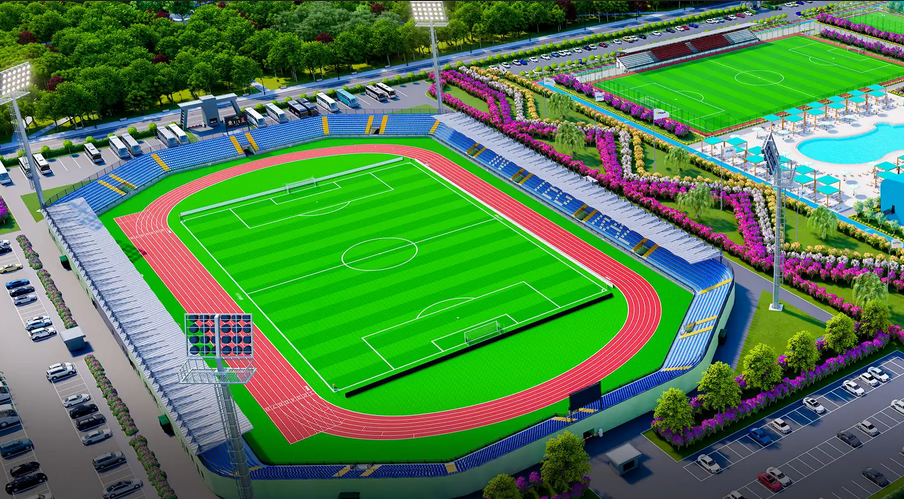
Sustainability has become a strategic priority in modern sports. From reducing operating costs to attracting responsible investors, green stadium projects are now a major part of long-term sports business planning. Clubs, leagues, and governments are investing in eco-friendly venues that support financial stability while meeting environmental standards. This shift is closely linked to broader trends discussed in Sports Industry Responses to Global Economic Challenges, where cost control and resilience are essential for survival and growth.
This article explores how green stadiums work, why they matter, and how they create strong sports investment potential for clubs, investors, and communities.
What Is a Green Stadium?
A green stadium is a sports venue designed, built, or upgraded to reduce environmental impact while improving operational efficiency and fan experience. These stadiums use sustainable materials, renewable energy, and smart management systems.
Key Features of Green Stadiums
-
Solar panels and renewable energy sources
-
Energy-efficient lighting and HVAC systems
-
Water recycling and rainwater harvesting
-
Waste reduction and recycling programs
-
Sustainable transport access for fans
Green stadiums are not just about environmental responsibility. They are also about long-term cost savings, risk reduction, and brand value.
Why Green Stadiums Matter in Sports Business
Rising Operating Costs in Sports
Traditional stadiums are expensive to operate. Energy, water, maintenance, and insurance costs continue to rise, especially during periods of inflation. Sustainable infrastructure helps clubs manage these challenges more effectively.
Energy-efficient systems can reduce utility costs by 20–40% over time. These savings directly improve cash flow and support better sports budget planning.
Alignment With Modern Fan Expectations
Today’s fans care about sustainability. Many supporters prefer clubs that demonstrate social and environmental responsibility. Green stadiums improve brand reputation and strengthen community relationships, which is essential for long-term revenue growth.
This directly supports fan engagement strategies that drive sports revenue, as eco-conscious initiatives encourage attendance, loyalty, and merchandise sales.
Sports Investment Potential of Green Stadium Projects
Long-Term Return on Investment (ROI)
Green stadiums often require higher upfront capital, but they deliver strong long-term returns through:
-
Lower operating expenses
-
Reduced energy price exposure
-
Higher asset valuation
-
Increased sponsorship opportunities
From an investment perspective, sustainability reduces financial risk and improves predictability, making sports assets more attractive to institutional investors.
Attraction of ESG-Focused Investors
Environmental, Social, and Governance (ESG) investing is growing rapidly. Many private equity firms and institutional investors now require sustainability criteria before committing capital.
Green stadiums help sports organizations align with these expectations, similar to trends discussed in How Private Equity Is Entering the Sports Industry, where long-term value and risk management are key decision factors.
Real-World Examples of Green Stadium Projects
Tottenham Hotspur Stadium (England)
Tottenham Hotspur’s stadium in London includes energy-efficient systems, water-saving technologies, and sustainable materials. It hosts not only football matches but also concerts and NFL games, maximizing year-round revenue while controlling operating costs.
Mercedes-Benz Stadium (USA)
Home to the Atlanta Falcons and Atlanta United, Mercedes-Benz Stadium is LEED Platinum certified. It uses solar panels, water reuse systems, and affordable pricing models. These features reduce costs and improve fan satisfaction, increasing overall venue profitability.
Johan Cruyff Arena (Netherlands)
Ajax’s home stadium uses renewable energy, including solar power and battery storage from electric vehicle batteries. This innovation improves energy independence and protects against power disruptions, reducing operational risk.
Green Stadiums and Sports Budget Management
Smarter Cost Planning
Green infrastructure supports better long-term budgeting by stabilizing energy and maintenance expenses. Predictable costs make it easier for clubs to plan future investments in players, facilities, and youth development.
This approach aligns closely with concepts in How Inflation Affects Sports Budgets and Cost Planning, where controlling fixed costs is essential during economic uncertainty.
Reduced Maintenance and Lifecycle Costs
Sustainable materials often last longer and require less maintenance. Over a stadium’s lifecycle, this can save millions in repair and replacement costs, improving financial sustainability.
Risk Management and Sports Insurance Benefits
Lower Insurance Risk Profiles
Green stadiums often have modern safety systems, fire prevention technologies, and resilient infrastructure. These features can reduce insurance premiums and improve coverage terms.
Insurance providers increasingly assess environmental and operational risk, as explained in How Insurance Companies Assess Sports-Related Risk. Sustainable venues signal better risk management and operational discipline.
Climate Resilience
Extreme weather events are becoming more frequent. Green stadiums are often designed with climate resilience in mind, reducing downtime and financial losses caused by floods, heatwaves, or power failures.
Revenue Growth Opportunities From Green Stadiums
Sponsorship and Naming Rights
Sustainability attracts global brands focused on environmental responsibility. Green stadiums are ideal platforms for long-term sponsorship deals with energy, technology, and consumer brands.
This supports higher sponsorship investment returns, similar to principles outlined in The Role of Sponsorship in Sports Investment Returns, where brand alignment and visibility drive value.
Multi-Use Venue Potential
Eco-friendly stadiums are often designed for multi-purpose use:
-
Concerts and entertainment events
-
International tournaments
-
Community and corporate events
Diversified usage increases revenue streams while spreading fixed costs across multiple events.
Role of Sports Management in Green Stadium Success
Strategic Planning and Governance
Successful green stadium projects require strong leadership, long-term planning, and stakeholder coordination. Sports managers must balance financial goals with environmental targets.
This reflects best practices discussed in Strategic Planning in Sports Management Explained, where sustainable infrastructure is part of long-term organizational success.
Data-Driven Decision Making
Smart stadium technologies generate data on energy usage, crowd flow, and maintenance needs. This data supports better operational decisions and continuous improvement.
Challenges and Considerations for Investors
While green stadiums offer strong potential, investors should consider:
-
High initial construction or renovation costs
-
Longer payback periods
-
Regulatory and compliance requirements
-
Local government and community involvement
However, these challenges are often offset by long-term stability, lower risk, and stronger asset valuation.
The Future Outlook for Green Stadium Investments
Green stadium projects are expected to grow globally, driven by:
-
Government sustainability policies
-
Rising energy costs
-
Investor ESG requirements
-
Fan demand for responsible sports organizations
As sports continue to evolve into global entertainment businesses, sustainable venues will become standard rather than optional.
Before concluding, it is important to connect green stadium development with broader financial planning, as discussed in Economic Impact of Hosting Major Sports Events, where infrastructure quality directly affects long-term economic returns.
Conclusion
Green stadium projects represent a powerful intersection of sustainability, financial discipline, and sports investment opportunity. By reducing operating costs, improving risk management, and attracting responsible investors, eco-friendly venues strengthen the long-term value of sports organizations.
For clubs, leagues, and investors, green stadiums are not just environmental projects—they are strategic assets that support growth, resilience, and competitive advantage in a changing global sports industry.