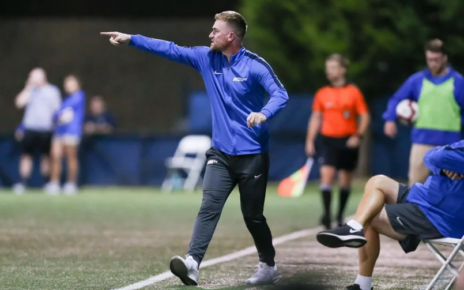
Creating a high-performance culture is a cornerstone of success in modern sports management. Teams that consistently achieve top results share common traits: clear goals, strong leadership, accountability, and a focus on continuous improvement. For coaches and managers, cultivating this environment is as important as training tactics or physical preparation.
Understanding how to foster such a culture aligns closely with sports management skills every manager needs, helping leaders develop resilient, motivated, and strategically aligned teams.
What Defines a High-Performance Culture in Sports?
A high-performance culture goes beyond winning games. It is an organizational mindset that emphasizes:
-
Shared Vision and Values: Everyone understands the team’s purpose and goals.
-
Accountability: Players and staff take responsibility for their roles.
-
Continuous Improvement: Learning from success and failure is embedded in the daily routine.
-
Team Cohesion: Collaboration, trust, and open communication are prioritized.
Clubs like Manchester City in football and the Golden State Warriors in basketball exemplify these traits. Their sustained success is a result of structured culture-building as much as talent acquisition.
Key Strategies for Building a High-Performance Culture
1. Establish Clear Goals and Expectations
-
Define short-term and long-term objectives for the team.
-
Set measurable performance metrics for players, coaching staff, and support teams.
-
Communicate expectations clearly to avoid ambiguity.
A culture where everyone knows their responsibilities reduces conflicts and improves operational efficiency, complementing conflict resolution techniques for sports managers in daily team management.
2. Leadership and Coaching Influence
Leadership sets the tone for culture. Effective leaders:
-
Model professionalism and discipline.
-
Inspire commitment and motivation.
-
Encourage collaboration among diverse team members.
Top teams often invest in leadership development for coaches to ensure they can nurture both individual talent and team cohesion.
3. Emphasize Accountability and Feedback
High-performance cultures thrive on consistent feedback and accountability:
-
Use performance reviews and analytics to measure individual and team progress.
-
Recognize achievements to reinforce positive behavior.
-
Address underperformance constructively.
Tools like performance management systems used by sports teams can track metrics and support transparent evaluation processes.
4. Foster Mental Resilience and Psychological Safety
Athletes perform best when they feel supported. Strategies include:
-
Mental health support and sports psychology resources.
-
Encouraging open communication to express concerns without fear.
-
Building resilience through challenges and controlled pressure scenarios.
Teams such as the US Women’s National Soccer Team invest heavily in psychological support, contributing to long-term consistency and success.
5. Promote Continuous Learning and Development
High-performance cultures prioritize skill development:
-
Structured training programs for technical, tactical, and physical skills.
-
Workshops on nutrition, injury prevention, and recovery.
-
Encouragement of leadership skills among players and staff.
This approach links closely with training costs: how athletes should balance their budget, ensuring that investment in development is sustainable and targeted.
6. Encourage Team Cohesion and Inclusivity
Teamwork is essential in high-performance cultures:
-
Foster trust and mutual respect among players.
-
Create mentorship programs for young or new players.
-
Celebrate diversity and manage multicultural dynamics effectively.
Strong team cohesion improves performance on and off the field, reduces conflicts, and enhances retention of talent.
7. Integrate Technology and Analytics
Data-driven decision-making strengthens high-performance cultures:
-
Video analysis of performance and tactics.
-
Wearable devices to monitor training loads and recovery.
-
Analytics for strategic planning and injury prevention.
This aligns with how data analytics is transforming sports business decisions, allowing clubs to optimize performance systematically.
Building a Culture That Supports Financial and Operational Stability
High-performance culture isn’t limited to athletic outcomes—it extends to operational and financial aspects:
-
Align budgets with performance priorities to ensure sustainable investment in training, facilities, and athlete development.
-
Encourage athletes to understand financial literacy and insurance benefits, referencing how clubs can educate players about insurance benefits.
-
Link sponsorship and revenue strategies to performance outcomes for long-term organizational growth.
Challenges in Developing a High-Performance Culture
While the benefits are clear, building and sustaining this culture requires:
-
Consistent leadership across coaching changes.
-
Managing egos and individual ambitions within team goals.
-
Adapting to financial or operational constraints without compromising culture.
Clubs that successfully navigate these challenges often outperform peers in both competitive results and business sustainability.
Before the Conclusion: The Role of Strategic Planning
Strategic planning is crucial for embedding high-performance culture:
-
Define a multi-year roadmap for culture development.
-
Align recruitment, training, and performance management with cultural objectives.
-
Monitor, evaluate, and adjust strategies based on measurable outcomes.
This reinforces insights from strategic planning in sports management explained, highlighting that culture and performance are interdependent elements of long-term success.
Conclusion
Building a high-performance culture in sports teams is an ongoing, multifaceted process. By combining clear goals, strong leadership, accountability, continuous learning, mental resilience, and data-driven decision-making, sports managers can foster an environment where athletes and staff consistently achieve excellence.
Beyond winning matches, a high-performance culture strengthens operational stability, supports financial planning, and enhances long-term sustainability. Clubs that prioritize culture alongside talent and strategy position themselves for enduring success both on and off the field.