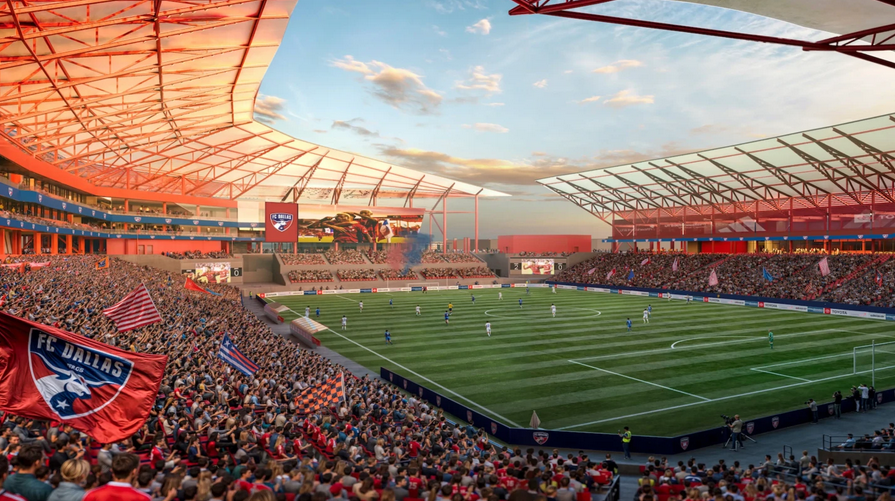
In the competitive world of sports, stadiums and facilities are more than just places to play—they are strategic assets that attract investment, increase revenue, and elevate the overall brand of a sports club. Investors are drawn to venues that promise financial returns, fan engagement, and long-term growth. For small and medium clubs, understanding the link between infrastructure and investment opportunities is essential, as highlighted in How Small Sports Clubs Can Grow Their Business.
Well-designed stadiums and facilities reflect professionalism, increase sponsorship appeal, and create additional revenue streams, making them an integral part of sports business planning.
Why Investors Prioritize Stadiums and Facilities
Investors view stadiums and sports complexes as critical to the long-term value of a club or event:
-
Revenue Potential: Modern stadiums generate income from ticket sales, hospitality, merchandising, and naming rights.
-
Brand Reputation: High-quality facilities improve club image and attract media attention.
-
Fan Engagement: Comfortable and technologically advanced venues enhance fan experiences, increasing loyalty and spending.
-
Sponsorship Opportunities: Premium facilities provide sponsors with visible advertising and VIP experiences, as seen in leading leagues and tournaments.
For example, Manchester City’s Etihad Stadium and Tottenham Hotspur Stadium have become key assets in attracting both commercial partnerships and investor interest.
Key Facility Features That Draw Investors
Investors look beyond seating capacity—they assess how a venue can generate ongoing value. Essential features include:
1. Modern Infrastructure
-
High-quality seating and viewing areas
-
Durable flooring and playing surfaces
-
Efficient crowd management and safety systems
Modernization reduces maintenance costs and signals long-term viability.
2. Technological Integration
-
LED scoreboards, Wi-Fi, and digital ticketing
-
Data-driven fan analytics tools
-
Broadcast-ready facilities
Technology not only improves operations but aligns with trends from How Technology Is Changing Sports Management, which shows how tech adoption boosts investor confidence.
3. Hospitality and Commercial Spaces
-
VIP lounges, restaurants, and bars
-
Retail outlets and merchandising stores
-
Conference and event spaces
These areas create multiple revenue streams, making the facility more attractive to investors.
4. Multi-Purpose Design
-
Adaptable arenas for concerts, exhibitions, or esports events
-
Community use areas like training halls or gyms
Multi-functional spaces ensure continuous usage and financial returns throughout the year.
5. Sustainable and Eco-Friendly Features
-
Energy-efficient lighting and heating
-
Waste reduction and water-saving systems
-
Green certifications
Sustainability appeals to socially responsible investors and can provide tax incentives.
How Facilities Impact Club Investment Value
High-quality facilities affect investor decisions in several ways:
-
Increased Sponsorship Deals: Premium stadiums attract corporate sponsors seeking brand visibility, echoing insights from How Sports News Influences Sponsorship Deals.
-
Higher Ticket Revenues: Enhanced fan experiences and amenities justify premium pricing.
-
Merchandise and Concessions Growth: Shops, kiosks, and food outlets increase per-capita spending.
-
Long-Term Asset Appreciation: Well-maintained stadiums often appreciate in value, offering capital gains to investors.
Clubs like FC Barcelona and Real Madrid use their iconic stadiums not just for matches but as year-round revenue generators, including tours, museums, and events.
Financial Models for Stadium Investment
Investors evaluate stadium projects using multiple financial approaches:
-
Public-Private Partnerships (PPP): Collaboration with local governments to reduce initial capital burden.
-
Naming Rights and Sponsorship: Selling naming rights to stadiums or premium sections generates upfront and recurring revenue.
-
Event Rental and Multi-Use Models: Hosting concerts, conferences, and tournaments outside match days maximizes facility ROI.
-
Debt Financing and Bonds: Larger clubs often issue bonds backed by projected stadium revenues.
Understanding these models helps clubs structure investment deals that appeal to a range of stakeholders.
Case Studies of Successful Stadium Investments
-
Tottenham Hotspur Stadium, London: Integrated technology and multi-use design attracted investors and commercial partners even before opening.
-
Mercedes-Benz Stadium, Atlanta: Focus on sustainability and fan experience increased sponsorship deals and event hosting opportunities.
-
Etihad Stadium, Manchester City: The stadium’s premium hospitality and naming rights deals have become a major revenue source for investors.
These examples highlight the direct correlation between facility quality and investor confidence.
Steps for Clubs to Attract Investment Through Facilities
-
Conduct Feasibility Studies: Analyze potential returns, community impact, and operational costs.
-
Invest in Key Upgrades: Prioritize technology, fan experience, and safety enhancements.
-
Develop Sponsorship Packages: Offer corporate partners tailored opportunities within the stadium environment.
-
Market the Venue: Promote your stadium’s capabilities for events beyond sports, aligning with insights from Sports Budgeting for Tournaments and Competitions.
-
Maintain Transparency: Investors value clear financial records and operational plans.
Adopting these steps ensures that clubs present a professional, profitable, and appealing proposition.
Conclusion
Stadiums and facilities are more than just sports venues—they are strategic business assets that can significantly enhance a club’s investment appeal. From attracting sponsorship deals to generating multiple revenue streams and enhancing fan engagement, high-quality facilities signal professionalism and long-term growth potential. By integrating modern technology, hospitality, and multi-purpose functionality, clubs can secure investment, expand their operations, and build sustainable sports businesses.
Clubs that focus on facility quality, strategic financial planning, and investor transparency are better positioned to thrive in the competitive world of professional sports.