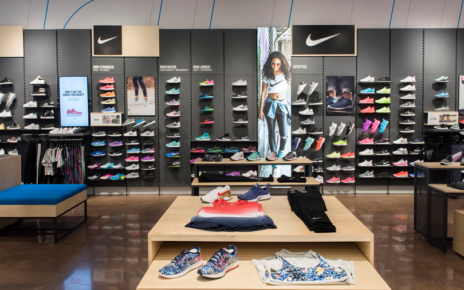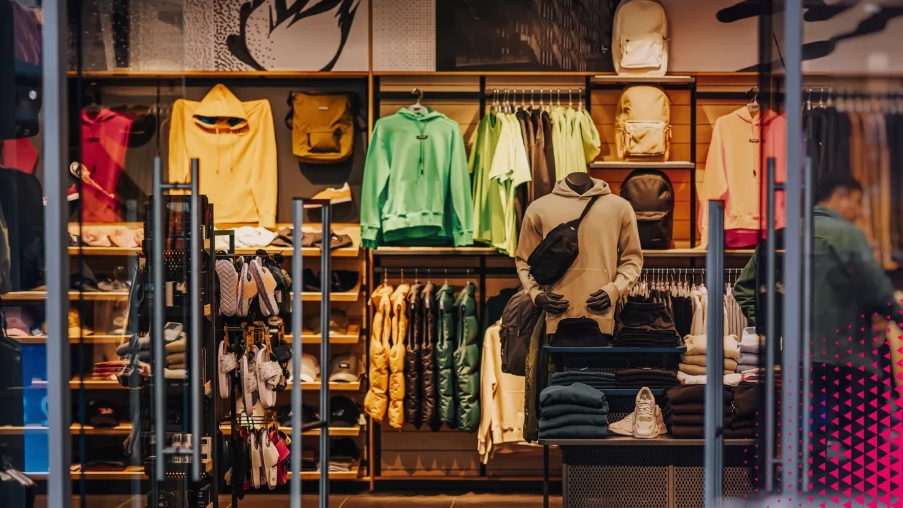
Sports merchandising has become one of the most reliable revenue streams in modern sports. From jerseys and scarves to digital collectibles and lifestyle products, merchandising allows teams to turn fan passion into sustainable income. For professional clubs, leagues, and even small community teams, effective merchandising is no longer optional—it is a core part of sports business strategy.
As explained in How Sports Clubs Make Money: Business Models Explained, merchandising plays a critical role alongside broadcasting rights, sponsorships, and ticket sales. This article explores how sports teams increase merchandise sales, the strategies they use, and why merchandising is vital for long-term financial stability.
What Is Sports Merchandising?
Sports merchandising refers to the design, production, and sale of branded products linked to a sports team, athlete, or league. These products allow fans to express loyalty while providing clubs with recurring income.
Common Sports Merchandise Items
-
Team jerseys and training kits
-
Hats, scarves, and fan accessories
-
Footwear and sportswear collaborations
-
Lifestyle items (bags, bottles, casual clothing)
-
Digital merchandise and limited-edition collectibles
Merchandising connects sports performance with business growth, making it a key area for sports managers and investors.
Why Sports Merchandising Matters for Teams
1. Stable and Scalable Revenue
Unlike match-day income, merchandising can generate sales year-round. Online stores allow global fans to purchase products regardless of location.
2. Stronger Fan Loyalty
Wearing team merchandise strengthens emotional connections between fans and clubs. Loyal fans are more likely to attend matches, follow news, and support sponsors.
3. Global Brand Expansion
Top clubs such as Manchester United, Real Madrid, and the Los Angeles Lakers earn millions from international merchandise sales, even in markets where they rarely play.
Merchandising directly supports broader revenue strategies discussed in Revenue Streams in Professional Sports Leagues.
Key Strategies Teams Use to Increase Merchandise Sales
1. Strong Branding and Identity
Successful merchandising starts with clear, consistent branding. Teams invest heavily in logos, colors, and design elements that are instantly recognizable.
Real-World Example
-
FC Barcelona uses its iconic colors and crest across modern and retro designs, appealing to both young fans and long-time supporters.
Strong branding is closely linked to overall business success, as detailed in How Branding Impacts Sports Business Success.
2. Player-Driven Merchandise Sales
Star players significantly influence merchandise demand. Fans often buy jerseys with their favorite athlete’s name and number.
Examples
-
Lionel Messi’s transfer to Inter Miami caused a surge in jersey sales worldwide.
-
NBA stars like LeBron James consistently rank among top-selling merchandise athletes.
Clubs strategically promote players through campaigns, social media, and match-day visibility to boost merchandise performance.
3. Limited Editions and Seasonal Drops
Scarcity increases demand. Limited-edition merchandise creates urgency and excitement among fans.
Popular Limited Products
-
Anniversary kits
-
Championship-winning commemorative items
-
Collaborations with fashion or lifestyle brands
These drops are carefully timed with major sports news, tournaments, or historic milestones, aligning with insights from Latest Trends in Global Sports Industry.
4. E-Commerce and Digital Sales Channels
Modern sports merchandising relies heavily on online platforms. Teams invest in user-friendly websites and mobile apps to simplify purchasing.
Key Digital Sales Features
-
Multiple payment options
-
International shipping
-
Personalized recommendations
-
Exclusive online-only items
Digital merchandising strategies are increasingly connected with innovations covered in How Technology Is Changing Sports Management.
5. In-Stadium and Event-Based Sales
Match days remain important for merchandise revenue. Fans are more likely to buy products when emotions are high during live events.
Effective In-Stadium Tactics
-
Pop-up merchandise stands
-
Player-worn item auctions
-
Match-specific products
Stadium design and fan experience also influence spending behavior, similar to concepts explained in Keeping Your Club’s Home Field in the Best Possible Condition: Essential Stadium Maintenance.
Role of Sports Management in Merchandising Success
Sports managers play a central role in planning, budgeting, and executing merchandising strategies.
Key Management Responsibilities
-
Product planning and pricing strategy
-
Supplier and manufacturer negotiations
-
Inventory and logistics management
-
Coordinating marketing and promotions
Good merchandising decisions align with broader financial planning principles outlined in Sports Budgeting for Tournaments and Competitions.
Merchandising and Sponsorship Integration
Merchandise often includes sponsor logos, making it valuable for commercial partnerships.
Benefits for Sponsors
-
Global brand exposure
-
Long-term visibility beyond match days
-
Strong association with fan emotions
This connection helps investors and brands understand How Investors Profit from Sports Sponsorships while increasing club revenue.
Merchandising for Small and Emerging Sports Clubs
Merchandising is not limited to elite teams. Smaller clubs can also benefit with the right approach.
Practical Tips for Small Clubs
-
Start with simple, affordable products
-
Use print-on-demand to reduce inventory risk
-
Focus on local identity and community pride
-
Promote through social media and local events
These strategies complement growth advice found in How Small Sports Clubs Can Grow Their Business.
Financial Risks and Cost Control in Merchandising
While merchandising offers strong returns, it also carries risks.
Common Challenges
-
Unsold inventory
-
High production costs
-
Poor demand forecasting
-
Licensing and counterfeit issues
Teams reduce these risks by careful planning, flexible suppliers, and realistic sales projections—principles also emphasized in Cost Breakdown of Running a Small Sports Team.
Future Trends in Sports Merchandising
Sports merchandising continues to evolve alongside technology and fan behavior.
Emerging Trends
-
Sustainable and eco-friendly merchandise
-
Customizable products
-
Digital collectibles and virtual merchandise
-
Direct-to-consumer sales models
These trends show how merchandising supports long-term investment strategies discussed in Long-Term vs Short-Term Sports Investment Strategies.
Conclusion
Sports merchandising is a powerful tool that helps teams increase sales, strengthen fan loyalty, and build long-term financial stability. By combining strong branding, player influence, digital platforms, and smart management, sports organizations can turn fan passion into reliable revenue.
As the sports industry becomes more competitive, merchandising will remain a key pillar of sports business success—supporting budgets, attracting investors, and ensuring clubs can grow sustainably without relying solely on match-day income or broadcasting deals.