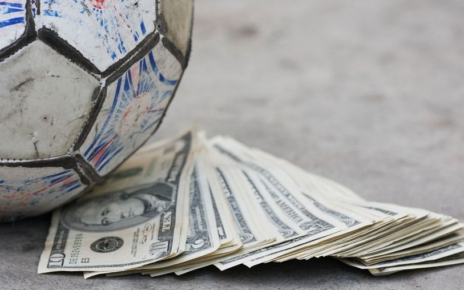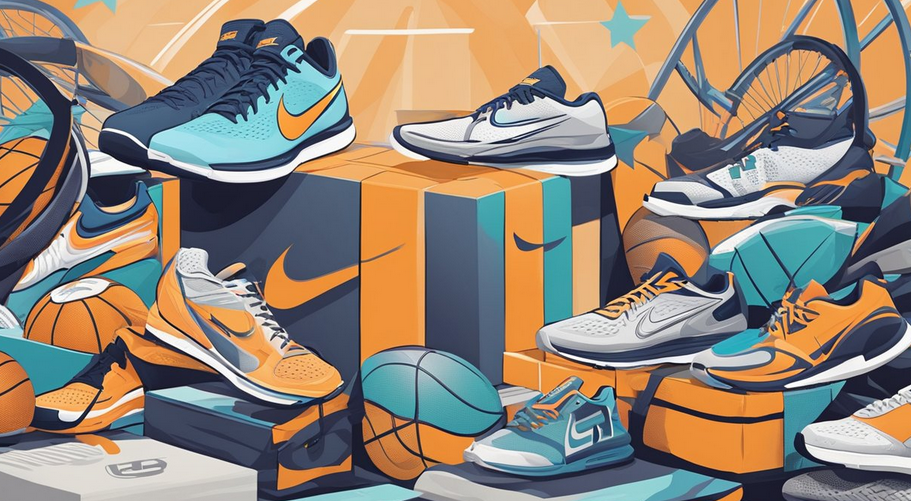
Sports gear and equipment are essential for athletes at every level, from beginners to professionals. However, the cost of jerseys, footwear, protective gear, and training equipment can quickly become a financial burden. Rising prices, frequent product upgrades, and brand premiums often make sports participation more expensive than expected.
That is why smart financial planning matters. As explained in How to Create a Sports Budget for Amateur Athletes, controlling equipment expenses is a key step toward long-term sustainability in sports. This guide explains practical, safe, and effective ways to save money on sports gear and equipment while maintaining performance and safety standards.
Why Sports Equipment Costs Are Rising
Understanding why equipment is expensive helps athletes and clubs make better buying decisions.
Key Reasons for High Costs
-
Advanced materials and technology
-
Strong global sports brands
-
Frequent product updates and new models
-
Marketing and sponsorship influence
Professional athletes may receive free gear through sponsorships, but amateur players, youth teams, and small clubs must carefully manage equipment spending.
Start with a Clear Equipment Budget
Why Budgeting Comes First
Before buying any gear, athletes and teams should define how much they can afford to spend. A clear budget prevents impulse purchases and ensures money is allocated to essential items.
What to Include in Your Equipment Budget
-
Mandatory safety equipment
-
Training and match-day gear
-
Replacement and maintenance costs
-
Seasonal or tournament-related needs
Budget discipline is a core principle in sports finance and is strongly connected to broader planning strategies discussed in Best Budget Tips for Managing Training & Equipment Costs.
Prioritize Safety and Performance Over Brand Names
Avoid Paying Only for the Logo
Big brands often charge premium prices, but higher cost does not always mean better quality for every athlete.
Smart Buying Tips
-
Compare specifications, not just brand names
-
Read independent reviews from athletes and coaches
-
Choose certified safety equipment
-
Focus on comfort and fit
For example, many semi-professional footballers use mid-range boots that meet performance standards without the premium price of top-tier models worn by elite players.
Buy Last Season’s Models
Why Older Models Offer Better Value
Sports brands release new designs regularly, but performance improvements are often minor.
Benefits of Buying Older Models
-
Significant discounts
-
Same safety standards
-
Similar durability and performance
Basketball shoes, running shoes, and training apparel from previous seasons often perform just as well as newer versions at a much lower cost.
Use Team and Club Purchasing Power
Bulk Buying Saves Money
Teams and clubs can reduce costs by purchasing equipment in bulk.
Common Club-Level Savings
-
Discounted kits and uniforms
-
Reduced shipping costs
-
Long-term supplier agreements
Many amateur and youth clubs negotiate directly with local suppliers or manufacturers. These strategies align closely with broader cost-control methods outlined in How Sports Clubs Can Reduce Expenses Without Affecting Performance.
Consider Second-Hand and Refurbished Equipment
When Used Gear Makes Sense
Second-hand equipment can be a safe and affordable option if chosen carefully.
Best Items to Buy Used
-
Training cones and accessories
-
Gym and fitness equipment
-
Bats, rackets, and protective pads (with inspection)
Items to Avoid Buying Used
-
Helmets without certification history
-
Worn-out footwear
-
Damaged protective gear
Community exchanges, club networks, and certified resellers are safer options than unverified sources.
Rent or Share Equipment When Possible
Ideal for Short-Term Needs
Not all equipment needs to be owned.
Good Candidates for Renting or Sharing
-
Specialized training machines
-
Tournament-only equipment
-
Seasonal sports gear
For example, youth academies often share goalposts, hurdles, or gym equipment across age groups to reduce overall expenses.
Take Advantage of Sales and Seasonal Discounts
Best Times to Buy Sports Gear
-
End-of-season sales
-
Holiday promotions
-
Clearance events
-
Club partnership sales
Planning purchases around sales requires patience but can reduce equipment costs significantly over time.
Maintain Equipment Properly to Extend Lifespan
Why Maintenance Saves Money
Replacing gear too often increases long-term costs. Proper care extends usability and improves safety.
Basic Maintenance Tips
-
Clean gear after use
-
Store equipment in dry conditions
-
Repair minor damage early
-
Follow manufacturer care instructions
Professional clubs invest heavily in equipment maintenance to reduce replacement costs and protect player safety.
Use Technology to Compare Prices and Reviews
Smarter Buying with Digital Tools
Online tools make it easier to compare prices and quality.
Helpful Digital Practices
-
Compare prices across multiple platforms
-
Track price history
-
Read verified customer reviews
-
Follow brand and retailer newsletters
Technology-driven decision-making is now common across the sports industry, as discussed in Sports Technology Innovations Making Headlines.
Understand Sponsorship and Community Support Opportunities
Local Support Can Reduce Costs
Some athletes and teams overlook non-commercial support options.
Possible Sources of Support
-
Local business sponsorships
-
Community sports grants
-
School or university partnerships
Even small sponsorships can cover basic equipment costs, reducing the financial burden on athletes and families.
Balance Cost Savings with Injury Prevention
Why Cheap Gear Can Be Risky
Saving money should never compromise safety. Poor-quality equipment increases injury risk and long-term medical costs.
Examples
-
Low-quality footwear leading to joint injuries
-
Inadequate protective gear increasing concussion risk
Insurance considerations also matter. Understanding coverage options for injuries is essential, especially for non-professional players, as explained in Sports Insurance for Amateur and Youth Players.
Plan Equipment Purchases Around the Season
Avoid Last-Minute Spending
Emergency purchases often lead to overspending.
Smart Planning Includes
-
Pre-season equipment checks
-
Early replacement planning
-
Coordinated buying schedules
Clubs that plan equipment needs in advance typically save more than those reacting to urgent shortages.
Educate Young Athletes and Parents About Smart Spending
Building Long-Term Financial Awareness
Youth sports often involve rapid growth and frequent size changes, making smart spending essential.
Practical Advice
-
Avoid expensive items for fast-growing children
-
Focus on essential gear first
-
Encourage equipment sharing programs
Financial education at an early stage supports healthier sports participation and long-term engagement.
Track Spending and Review Annually
Why Reviewing Costs Matters
Tracking equipment expenses helps identify waste and improve future planning.
Annual Review Questions
-
Which items wore out fastest?
-
Were premium items worth the cost?
-
Where can spending be reduced next season?
Avoiding common errors highlighted in Sports Budget Mistakes That Athletes Should Avoid helps athletes and clubs maintain financial control year after year.
Conclusion
Saving money on sports gear and equipment is not about choosing the cheapest option—it is about making informed, strategic decisions. By budgeting carefully, prioritizing safety, using team purchasing power, and planning ahead, athletes and clubs can significantly reduce equipment costs without sacrificing performance.
Smart equipment management supports long-term participation, injury prevention, and financial sustainability. Whether you are an individual athlete, a parent, or a club manager, these practical strategies can help you stay competitive while keeping costs under control.