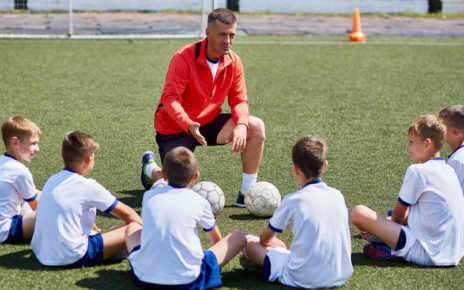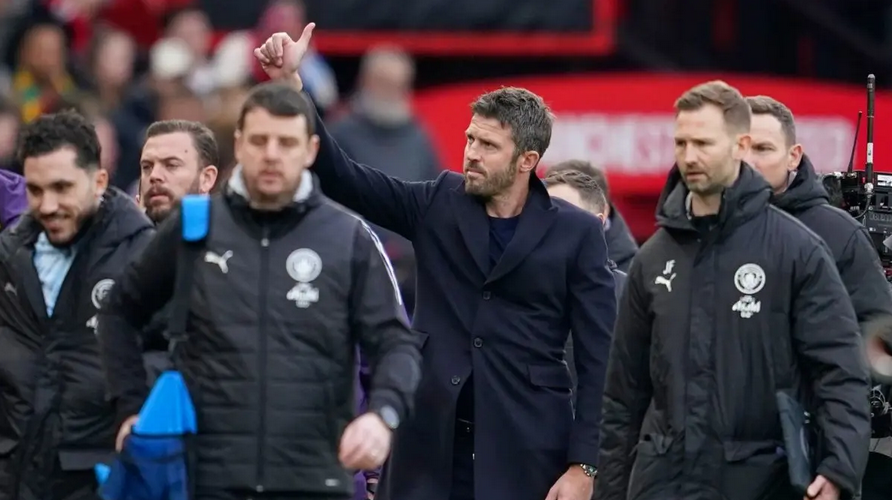
Time management is one of the most important skills for coaches and sports managers at every level of sport. From grassroots academies to professional leagues, effective use of time directly affects team performance, player development, financial control, and organizational stability.
Modern coaches and managers handle far more than training sessions and matchdays. Their responsibilities include budgeting, staff coordination, athlete welfare, media duties, and long-term planning. Understanding the basics of sports management skills every manager needs helps explain why time management is now a core professional requirement rather than a soft skill.
This article explains proven time management strategies for coaches and managers, using real-world sports examples and focusing on practical methods that can be applied across different sports environments.
Why Time Management Matters in Sports
The High-Pressure Nature of Sports Roles
Coaches and managers work in time-sensitive environments where:
-
Training schedules are fixed
-
Competitions follow strict calendars
-
Decisions must often be made quickly
Poor time management can lead to:
-
Missed preparation opportunities
-
Increased injury risk
-
Budget overruns
-
Staff burnout
In professional football clubs, for example, congested fixture schedules require managers to carefully balance training intensity, recovery, and tactical preparation within limited timeframes.
Connection Between Time and Performance
Effective time management helps coaches:
-
Maximize training efficiency
-
Improve communication with players
-
Reduce stress during competitive periods
For managers, time planning supports better decision-making in finance, operations, and strategic development.
Setting Clear Priorities
Distinguishing Between Urgent and Important Tasks
One of the most effective time management strategies is prioritization. Coaches and managers should separate:
-
Urgent tasks (match preparation, injury response)
-
Important tasks (long-term development, budget planning)
Without clear priorities, long-term goals are often sacrificed for short-term pressures.
Aligning Time Use with Strategic Goals
Time allocation should reflect organizational objectives. This approach connects closely with strategic planning in sports management explained, where daily activities support long-term performance and financial sustainability.
For example:
-
Youth academy managers prioritize player development over short-term results
-
Professional club managers balance competitive success with commercial responsibilities
Structured Scheduling and Planning
Weekly and Seasonal Planning
Successful coaches plan time at multiple levels:
-
Daily training schedules
-
Weekly performance reviews
-
Seasonal competition calendars
This structure reduces last-minute decision-making and improves consistency.
Professional basketball teams in the NBA often plan training loads weeks in advance, adjusting schedules based on travel demands and injury reports.
Using Performance Systems to Save Time
Modern sports organizations use technology to streamline planning and communication. Tools such as athlete monitoring software and shared calendars reduce manual workload and improve coordination.
These tools are part of performance management systems used by sports teams, helping coaches spend less time on administration and more time on coaching.
Delegation and Staff Management
Building a Supportive Staff Structure
Effective coaches and managers understand they cannot do everything themselves. Delegating tasks to:
-
Assistant coaches
-
Fitness trainers
-
Analysts
-
Team administrators
frees time for higher-level decision-making.
Top football clubs like Manchester City operate with clearly defined staff roles, allowing head coaches to focus on tactics and leadership rather than operational details.
Trust and Accountability
Delegation works only when:
-
Responsibilities are clearly defined
-
Staff are held accountable
-
Communication is consistent
This approach also supports better workplace culture and reduces conflict within teams.
Managing Meetings and Communication
Reducing Unproductive Meetings
Meetings are essential but can waste valuable time if poorly managed. Effective managers:
-
Set clear agendas
-
Limit meeting duration
-
Invite only relevant participants
Short, focused meetings improve efficiency and reduce staff fatigue.
Clear Communication Channels
Using centralized communication platforms ensures that:
-
Information is shared quickly
-
Instructions are not repeated
-
Misunderstandings are minimized
This is particularly important in organizations managing large squads or multiple teams.
Time Management and Financial Responsibilities
Balancing Coaching and Budget Oversight
Many sports managers are responsible for budgets, contracts, and resource allocation. Poor time planning in these areas can result in financial inefficiencies.
Managing time effectively helps align sporting goals with financial realities, especially during periods of rising costs discussed in how inflation affects sports budgets and cost planning.
Preventing Costly Mistakes
Timely decision-making reduces:
-
Emergency spending
-
Last-minute travel costs
-
Inefficient use of training resources
This is particularly important for smaller clubs with limited financial margins.
Handling Travel and Competition Schedules
Managing Time on the Road
Travel is a major time challenge, especially for teams competing internationally. Effective planning includes:
-
Coordinated travel schedules
-
Recovery-focused itineraries
-
Clear communication during trips
These practices reduce fatigue and improve performance consistency.
Learning from Major Events
Large tournaments such as the FIFA World Cup or Olympic Games demonstrate how detailed scheduling supports athlete readiness and operational efficiency, reinforcing the link between time management and performance outcomes.
Dealing with Pressure and Unexpected Events
Building Flexibility into Schedules
Injuries, weather disruptions, and fixture changes are unavoidable in sports. Good time managers:
-
Leave buffer periods in schedules
-
Prepare contingency plans
-
Adjust priorities quickly
This flexibility reduces stress and protects team focus during challenging periods.
Conflict Prevention Through Better Planning
Time pressure often causes conflict between players, staff, and management. Proactive scheduling and clear expectations help reduce misunderstandings, complementing principles found in conflict resolution techniques for sports managers.
Using Data and Analytics to Improve Time Use
Smarter Decision-Making
Data analytics allows coaches to:
-
Identify training inefficiencies
-
Optimize session duration
-
Monitor recovery time
These insights reduce wasted effort and support evidence-based planning, reflecting how data analytics is transforming sports business decisions.
Long-Term Benefits
Over time, data-driven time management leads to:
-
Improved athlete availability
-
Better resource allocation
-
More consistent performance
Before the Conclusion: Time Management as a Leadership Skill
Strong time management is closely linked to leadership quality. Coaches and managers who manage their time well:
-
Set positive examples
-
Reduce organizational stress
-
Improve staff morale
This leadership approach supports long-term growth and aligns with broader principles in basics of sports management explained, where structure and discipline underpin success
Conclusion
Time management is a critical skill for coaches and managers navigating the complex demands of modern sports. From training and competition planning to budgeting and staff coordination, effective use of time directly influences performance, financial stability, and organizational culture.
By setting clear priorities, using structured planning, delegating effectively, and leveraging technology, sports professionals can reduce pressure and improve outcomes. As sports organizations continue to grow in scale and complexity, strong time management will remain essential for sustainable success at every level of sport.