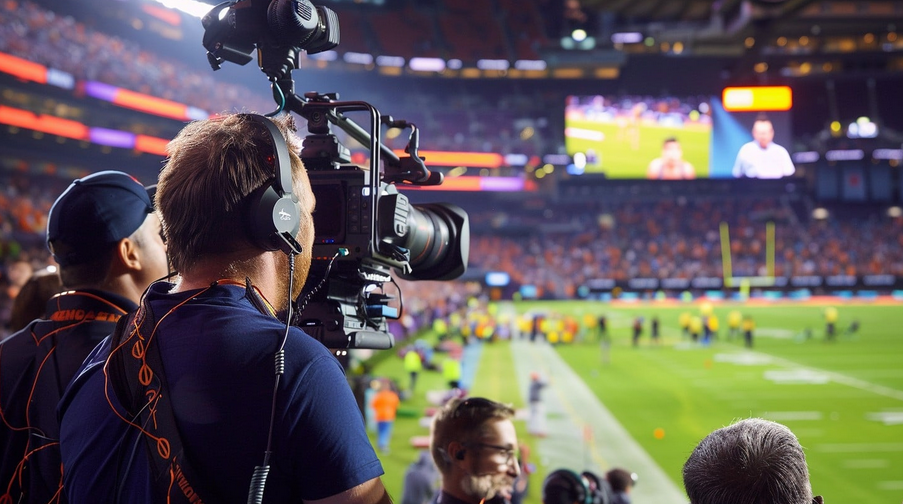
Media rights and broadcasting deals are among the most important revenue drivers in modern sports. For many leagues and clubs, income from television and digital broadcasts now exceeds ticket sales and sponsorship combined. As technology and viewing habits change, media rights continue to shape how fans consume sports and how organizations plan their budgets. To understand this shift, it is useful to look at how broadcasting technology is changing sports viewing, which has transformed traditional television into a global, multi-platform experience.
This article explains media rights and broadcasting deals in simple terms, covering how they work, why they matter, and how they affect sports business, investment, and management decisions.
What Are Media Rights in Sports?
Media rights refer to the legal permission granted by a sports organization to a broadcaster or digital platform to show live or recorded sporting events. These rights are usually sold through contracts that define where, how, and for how long the content can be distributed.
Key Elements of Media Rights
-
Live broadcast rights for matches or events
-
Delayed or highlights rights for replays and summaries
-
Digital streaming rights for online platforms and mobile apps
-
Territorial rights defining specific countries or regions
Media rights are intellectual property assets, and their value depends on audience demand, competition, and market size.
How Broadcasting Deals Work
Broadcasting deals are formal agreements between sports rights holders and media companies. These agreements outline financial terms, distribution platforms, and production responsibilities.
Typical Structure of a Broadcasting Deal
-
Contract duration (often 3–10 years)
-
Total rights fee paid to leagues or clubs
-
Platform exclusivity or shared rights
-
Advertising and sponsorship integration
Major leagues like the NFL, Premier League, and NBA negotiate long-term deals to ensure stable income and financial planning.
Why Media Rights Are So Valuable
Guaranteed Revenue for Sports Organizations
Broadcasting income is predictable and contract-based, making it a reliable source of funding. This allows clubs and leagues to:
-
Plan long-term budgets
-
Invest in facilities and player development
-
Manage operational risks
Media rights are a core part of revenue streams in professional sports leagues, often accounting for the largest share of total income.
Global Audience Reach
Broadcasting allows leagues to reach fans far beyond stadium capacity. International exposure increases:
-
Brand value
-
Merchandise sales
-
Sponsorship attractiveness
This global visibility is especially important for top-tier competitions.
Types of Sports Broadcasting Rights
Domestic Broadcasting Rights
Domestic rights cover broadcasts within a league’s home country. These are often the most valuable due to strong local fan bases.
Examples include:
-
National football leagues
-
Domestic basketball or cricket competitions
International Broadcasting Rights
International rights allow content to be shown outside the home market. These deals are critical for global expansion and brand building.
Leagues like the English Premier League generate significant revenue from overseas broadcasters in Asia, Africa, and North America.
Media Rights and Sports Business Models
Centralized vs Decentralized Rights Sales
Some leagues sell media rights centrally and distribute revenue among clubs. Others allow clubs to negotiate their own deals.
-
Centralized model: Promotes financial balance and league stability
-
Decentralized model: Benefits large clubs with strong fan bases
Understanding these approaches is key to how sports clubs make money through different business models.
Impact on Competitive Balance
Broadcasting revenue distribution affects:
-
Player salaries
-
Transfer spending
-
Competitive fairness
Leagues with equal sharing models often maintain stronger overall competition.
Digital Platforms and Streaming Services
Rise of Direct-to-Consumer Broadcasting
Streaming platforms now compete with traditional TV networks. Sports organizations increasingly explore:
-
League-owned streaming services
-
Subscription-based content
-
Mobile-first viewing experiences
This shift provides more control over content and audience data.
Challenges of Digital Broadcasting
Despite new opportunities, digital platforms face challenges such as:
-
Piracy risks
-
Fragmented audiences
-
Infrastructure costs
Sports managers must balance innovation with financial sustainability.
Media Rights and Fan Engagement
Enhancing the Fan Experience
Broadcasting deals now include features designed to improve engagement:
-
Multiple camera angles
-
Interactive statistics
-
On-demand highlights
These tools support fan engagement strategies that drive sports revenue by keeping audiences connected beyond live matches.
Social Media Integration
Clips, highlights, and behind-the-scenes content shared on social platforms help broadcasters and leagues reach younger audiences and expand visibility.
Financial Risks and Market Volatility
Dependence on Broadcasting Income
Heavy reliance on media rights can be risky if:
-
Broadcasters face financial difficulties
-
Viewership declines
-
Contracts are renegotiated downward
Sports organizations must diversify revenue sources to reduce exposure.
Economic and Regulatory Factors
Changes in advertising markets, regulations, or consumer behavior can impact broadcasting values. Strategic planning helps mitigate these risks.
Media Rights and Sports Investment
Why Investors Focus on Media Revenue
Investors value sports properties with strong and stable broadcasting deals. Media income:
-
Improves valuation
-
Supports predictable cash flow
-
Reduces operational uncertainty
This makes media rights a key consideration in acquisitions and long-term investment strategies.
Influence on Club and League Valuations
Long-term broadcasting contracts increase asset value and borrowing capacity, enabling clubs to invest in infrastructure and talent.
Role of Sports Management in Broadcasting Deals
Negotiation and Contract Management
Sports managers play a critical role in:
-
Negotiating rights fees
-
Ensuring brand protection
-
Managing compliance with contract terms
Professional management ensures that media partnerships align with organizational goals.
Aligning Media Strategy With Long-Term Vision
Broadcasting decisions must support:
-
Fan growth
-
Financial stability
-
Global expansion plans
Poorly structured deals can limit future flexibility.
The Globalization of Sports Broadcasting
Broadcasting has transformed local leagues into global entertainment products. International rights deals:
-
Introduce sports to new markets
-
Attract global sponsors
-
Increase cultural influence
This trend reflects how globalization is changing sports business models, with media rights acting as a central growth engine.
Key Challenges Facing Sports Broadcasting Today
-
Fragmentation across platforms
-
Rising production costs
-
Competition for viewer attention
-
Balancing free access with paid subscriptions
Addressing these challenges requires innovation and strong partnerships.
Best Practices for Sports Organizations
To maximize media rights value, organizations should:
-
Understand audience demographics
-
Invest in production quality
-
Maintain transparent rights structures
-
Balance short-term revenue with long-term growth
Strategic planning helps ensure sustainable success.
Conclusion
Media rights and broadcasting deals are at the heart of the modern sports economy. They provide reliable revenue, global exposure, and long-term financial stability for leagues and clubs. As technology evolves and viewing habits change, sports organizations must adapt their media strategies to remain competitive.
By understanding how broadcasting deals work and how they influence sports business, investment, and management decisions, stakeholders can make informed choices that support sustainable growth in an increasingly global sports market.